
What Is Raw Indian Hair, Really? A Complete Guide to Sourcing, Processing and Quality
Raw Indian Hair: What Most Buyers Still Get Wrong ?
Spend a few minutes searching for raw Indian hair bundles or best human hair vendor, and you’ll start noticing a pattern. Every brand seems to be saying the same thing, using the same words, making the same promises. It all sounds convincing—until you’ve actually worn the hair, styled it, washed it, and lived with it for a few weeks.
That’s when the gap shows up. Not between brands and marketing—but between expectation and reality.
Because the truth is, the human hair industry isn’t confusing because it’s complex. It’s confusing because it’s oversimplified in all the wrong places and overcomplicated where it shouldn’t be.
And if you’re a buyer, a stylist, or someone building a hair business, the only way to make better decisions is to understand what actually affects performance—not just what sounds premium on a product page. And that’s exactly where Dhwarak Indian Hair separates itself from the rest.
It Doesn’t Start With the Bundle. It Starts With the Source.
Before texture, before shine, before density—hair quality is defined by where it comes from.
In India, especially in the southern regions, a large portion of high-quality hair originates from temple donations. This is voluntary, ritual-based tonsuring, and the hair collected here is typically strong, naturally aligned, and largely untouched by prior chemical exposure. This is what the market refers to as raw Indian hair.
But that’s only one side of the supply chain.
There is also hair that comes from daily collection sources—fallen strands, comb waste, or aggregated material from multiple contributors. This type of hair doesn’t arrive in neat, aligned bundles. It has to be sorted, cleaned, aligned, and often refined before it can even begin to resemble what you see as a finished product.
Neither category exists without processing. The real difference is in how much correction is required before the hair becomes usable.
And that difference doesn’t always show up in photos—but it always shows up in performance.

The Industry’s Obsession With “Single Donor” And Why It’s Misunderstood ?
Somewhere along the way, “single donor hair” became a kind of gold standard in marketing. It sounds exclusive, controlled, premium—and in theory, it suggests consistency.
But in practice, it’s not that simple.
A single donor may provide 80 grams of hair. Another may provide 120 grams. Some may have thicker strands, others finer. So when you’re creating a standard 100-gram bundle, the idea that every bundle must come from exactly one donor isn’t always practical—or even necessary.
What actually matters is not whether the hair comes from one donor or two or three. What matters is whether the hair has been carefully matched, whether the cuticles are aligned in one direction, and whether the texture, shade, and strength are consistent within the bundle.
In real manufacturing environments—especially at the factory level—hair is often meticulously blended in small, controlled groupings to ensure uniformity. Done correctly, this produces a more consistent and reliable product than forcing a strict “single donor” rule that doesn’t account for natural variation.
So no, multi-donor does not mean low quality. Poor alignment and poor matching do.
That’s the distinction most buyers aren’t told.
Steam Processing Isn’t the Enemy—Misuse Is
Another area where the conversation often goes off track is processing—especially when it comes to steam.
There’s a tendency to label anything “processed” as inferior, which doesn’t really hold up under scrutiny.
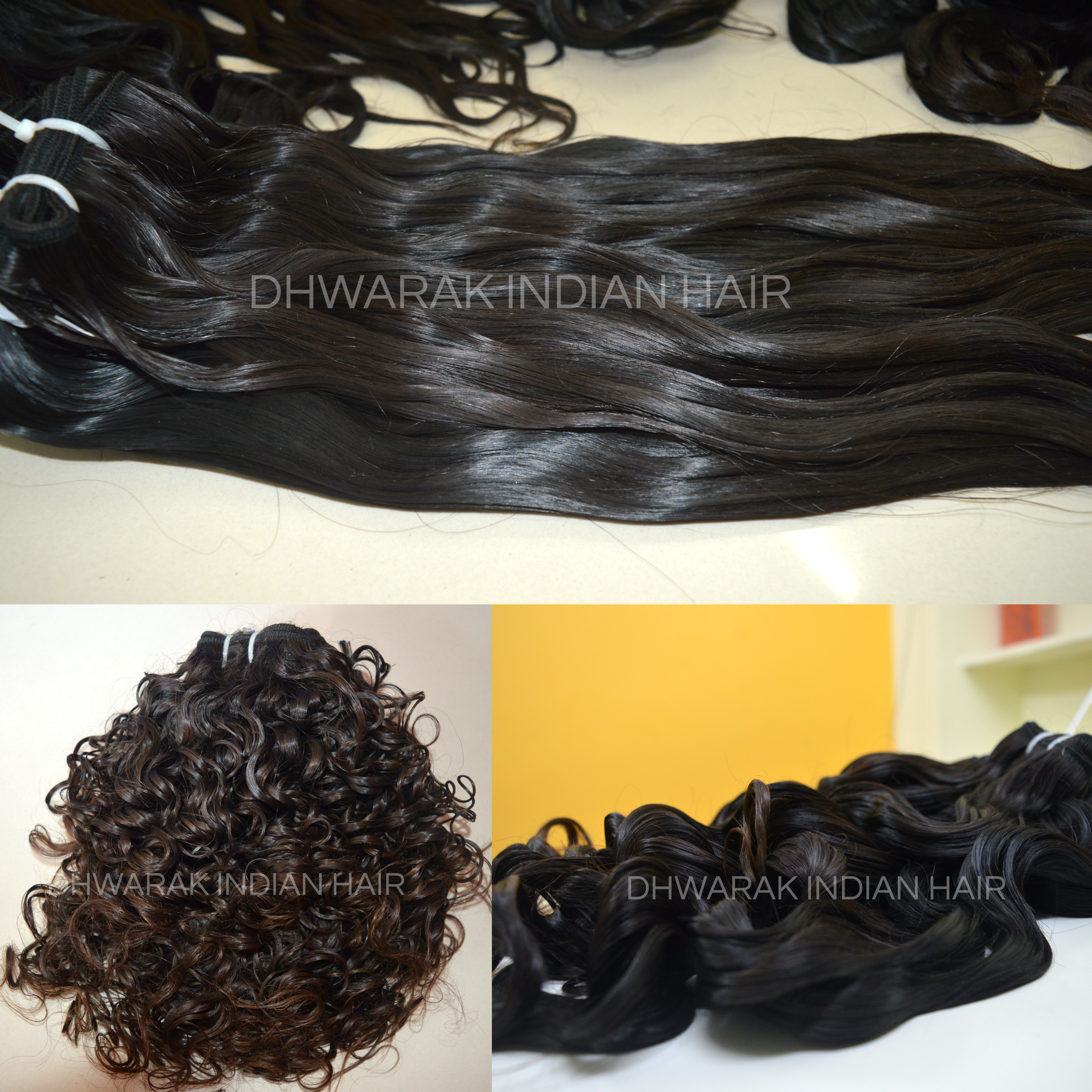
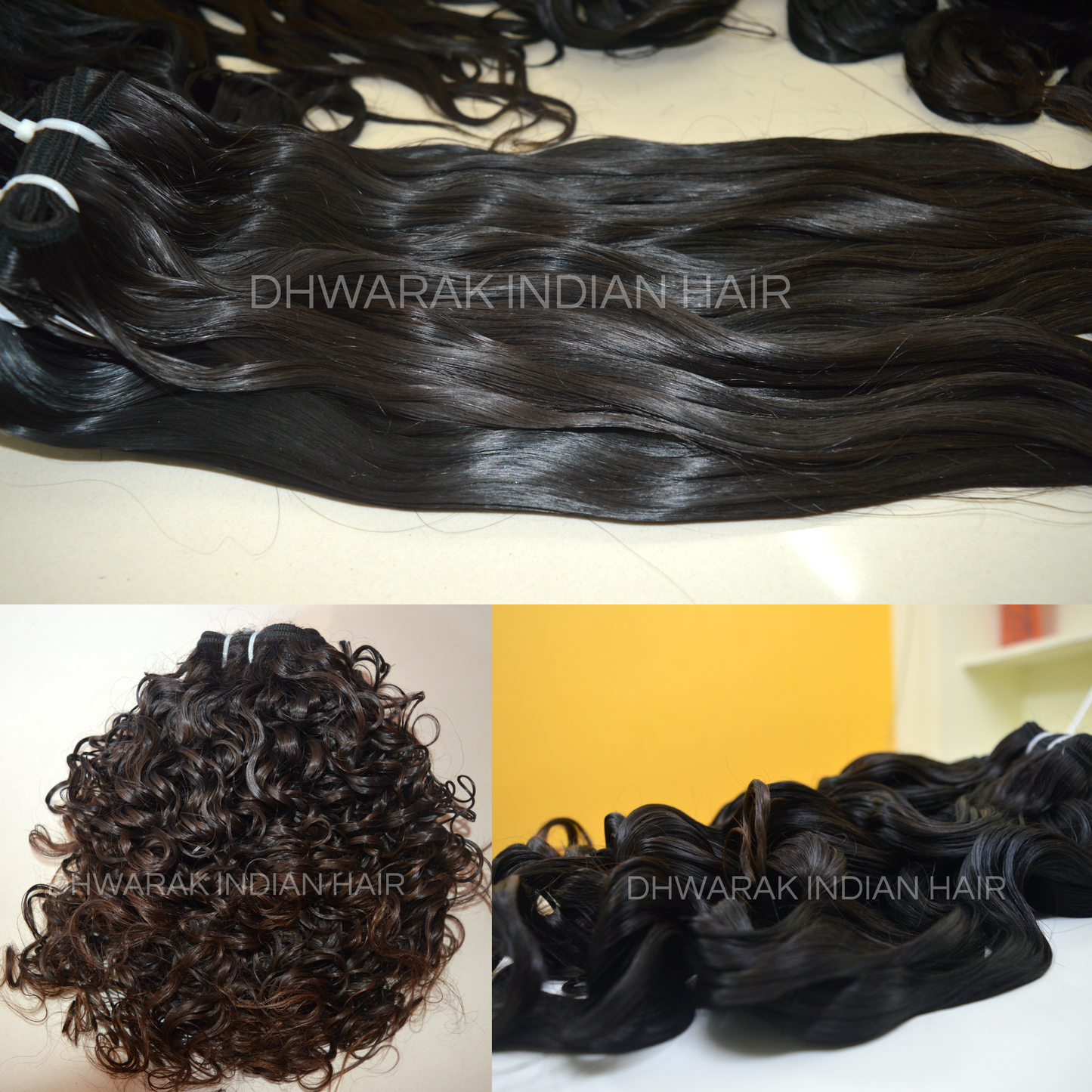
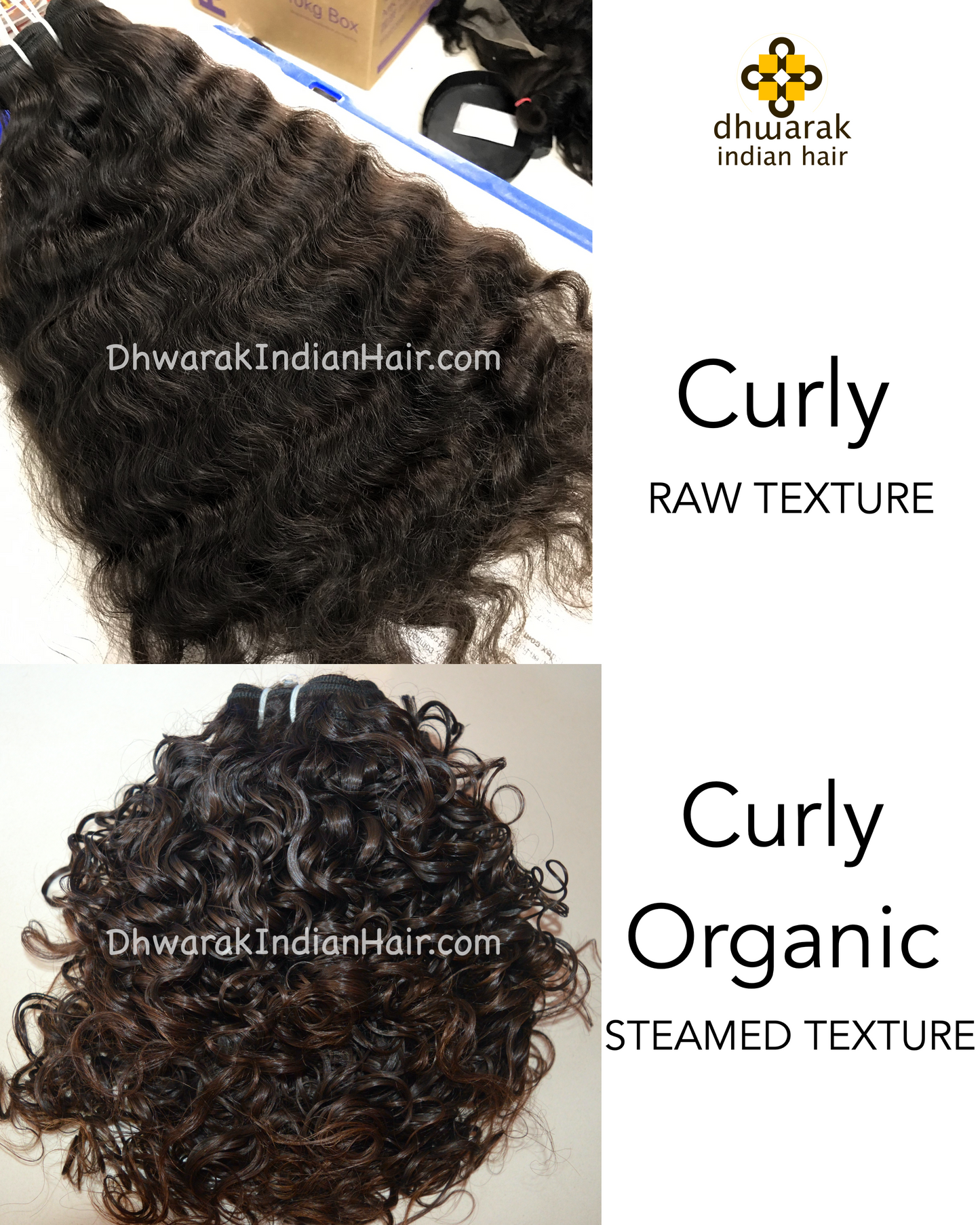
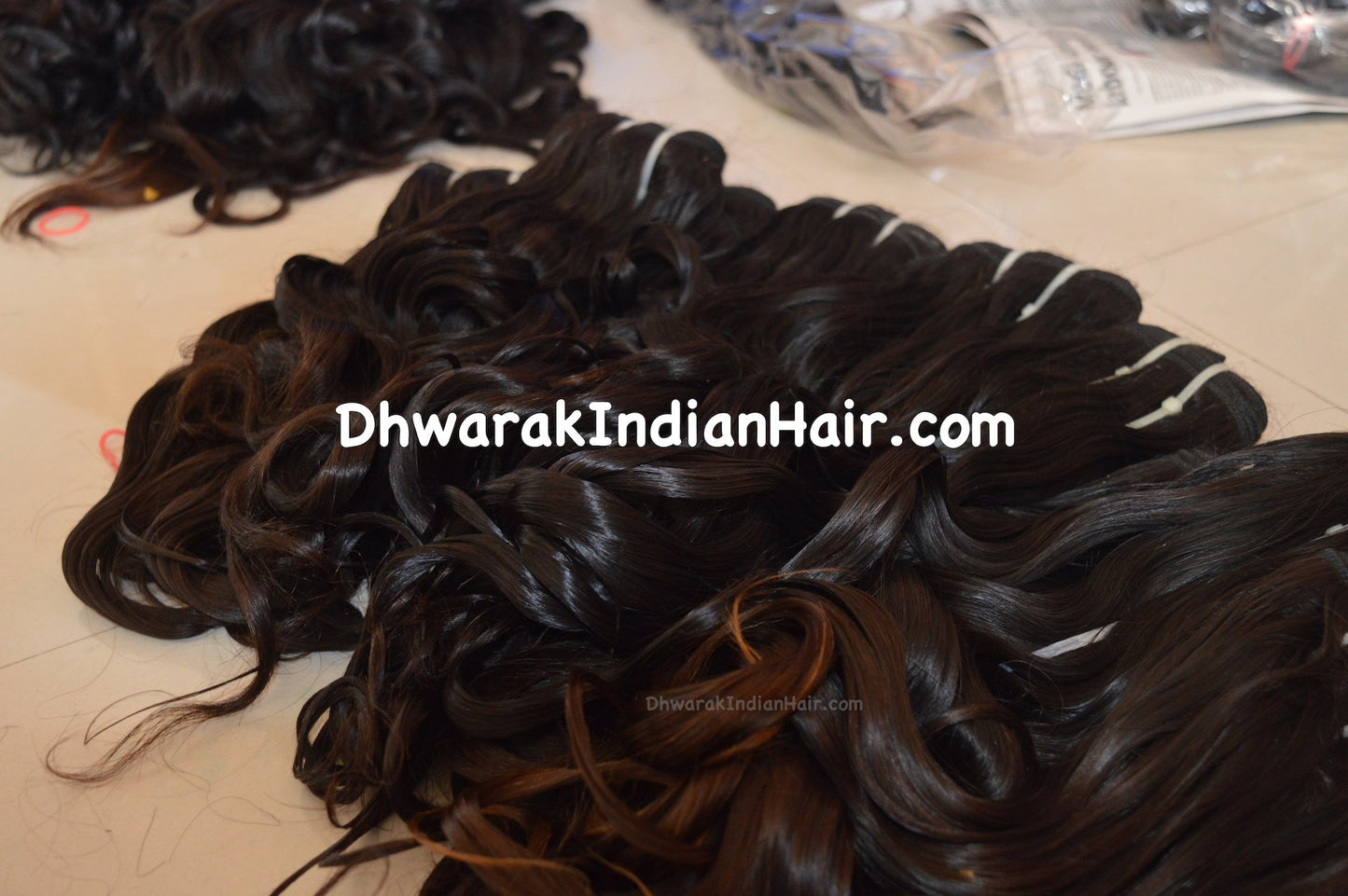
Steam processing, in its proper form, doesn’t chemically alter the structure of the hair. It uses controlled heat and moisture to shape or enhance a pattern—whether that’s a wave, a curl, or a more uniform finish. It’s widely used across the industry, including in high-end products, because it allows stylists and brands to offer consistency without damaging the underlying fiber.
The issue isn’t the presence of steam processing. The issue is when hair is over-processed, coated, or artificially altered to the point where its natural integrity is compromised.
There’s a difference between refining hair and replacing what it naturally is.
And experienced buyers can usually feel that difference—not immediately, but after a few washes.
Why Hair That Looks the Same Doesn’t Behave the Same
If there’s one thing that confuses new buyers the most, it’s this: two bundles can look almost identical at first glance, yet perform completely differently over time.
One stays soft, holds curls, and blends naturally even after repeated use. The other begins to dry out, lose definition, or tangle.
The reason comes down to what’s beneath the surface.
Hair that has intact, aligned cuticles, minimal structural interference, and proper sorting and matching will behave more predictably.
Whereas hair that has been heavily processed, poorly aligned, or mixed without quality control may rely on surface treatments to look appealing at first, but won’t maintain that performance over time.
This is why experienced stylists rarely judge hair on first impression alone. They judge it after installation, after washing, and after real use.
What a Controlled Supply Chain Actually Looks Like
When you look at manufacturers like Dhwarak Indian Hair, the difference isn’t just in the final product—it’s in how closely they operate to the source.
Hair is collected, sorted, cleaned, and aligned through a combination of manual expertise and controlled processes. Matching is done intentionally, not randomly. Wefting is structured to maintain density and durability.
It’s not a fast system, and it’s not the cheapest way to produce hair. But it allows for something that’s becoming increasingly rare in the market: consistency that holds up over time.
And that’s what most serious buyers are actually looking for, even if they don’t always phrase it that way.
What Buyers Are Really Searching For (Even If They Don’t Say It Directly)
When someone searches for “best raw Indian hair vendor”, “long-lasting human hair bundles”, or “hair that doesn’t tangle after washing”, they’re not just looking for a product.
They’re looking for predictability.
They want hair that behaves the same way on day 30 as it did on day one. They want installs that last, textures that stay true, and suppliers they don’t have to second-guess with every order.
And that kind of reliability doesn’t come from labels like “raw” or “single donor.”
It comes from source control, manufacturing discipline and construction.
So What Should You Actually Pay Attention To?
Not the buzzwords. Not the trends.
But the fundamentals that don’t change: where the hair comes from, how it’s handled, how it’s matched, and how it performs after real use.
Because at the end of the day, the most valuable hair isn’t the one that looks perfect in a bundle.
It’s the one that still performs when everything else—washing, styling, time—starts to test it.

A More Grounded Way to Think About Hair
Maybe the industry doesn’t need more claims.
Maybe it just needs better understanding.
Once you move past the marketing language—single donor, raw, virgin—and start focusing on structure, sourcing, and consistency, the entire buying process becomes clearer.
And when that clarity kicks in, something else happens too.
You stop chasing “better deals.”
And start choosing better hair.
Dhwarak Indian Hair
Kit de mélange pour vendeurs de cheveux en gros
Partager
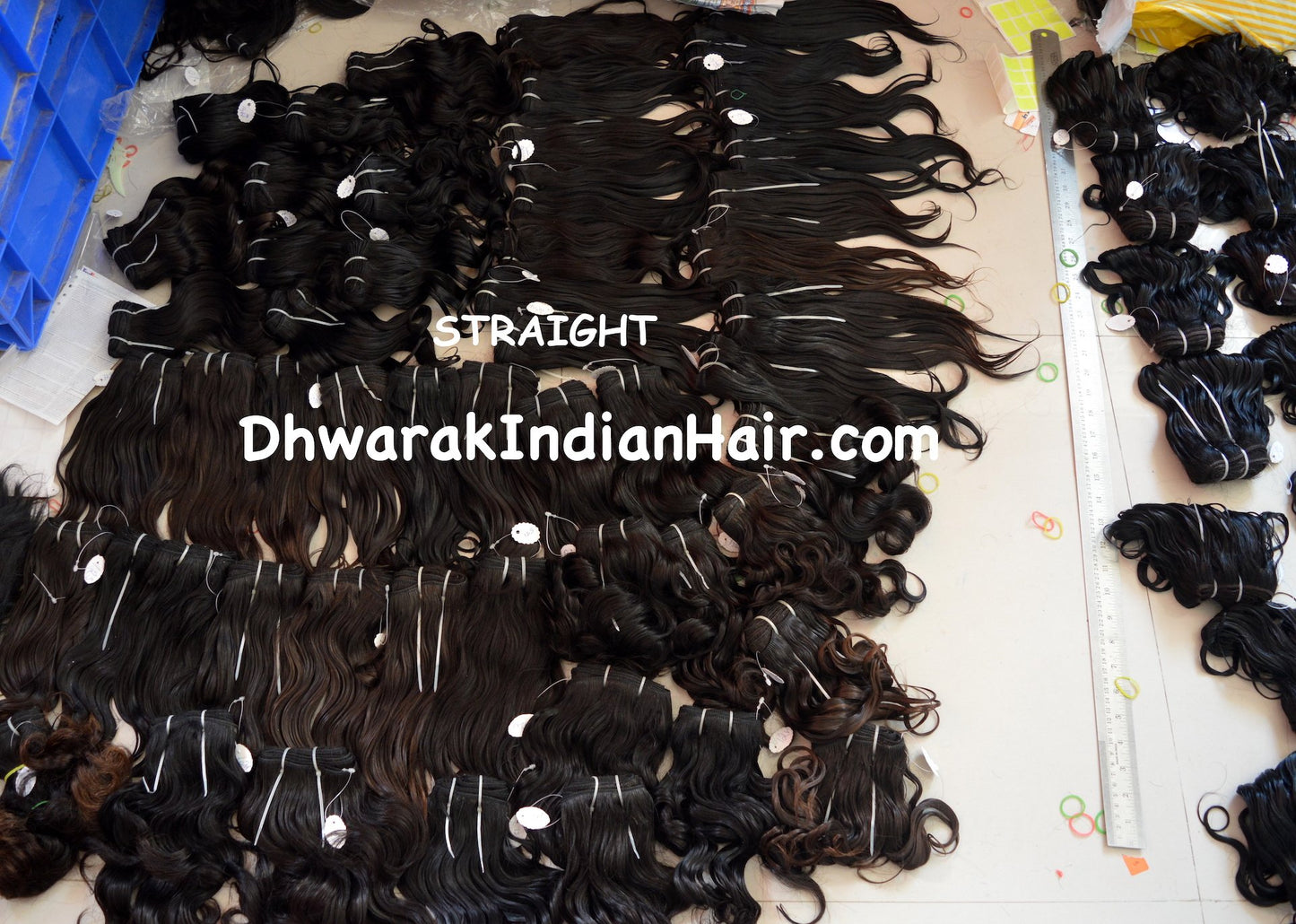
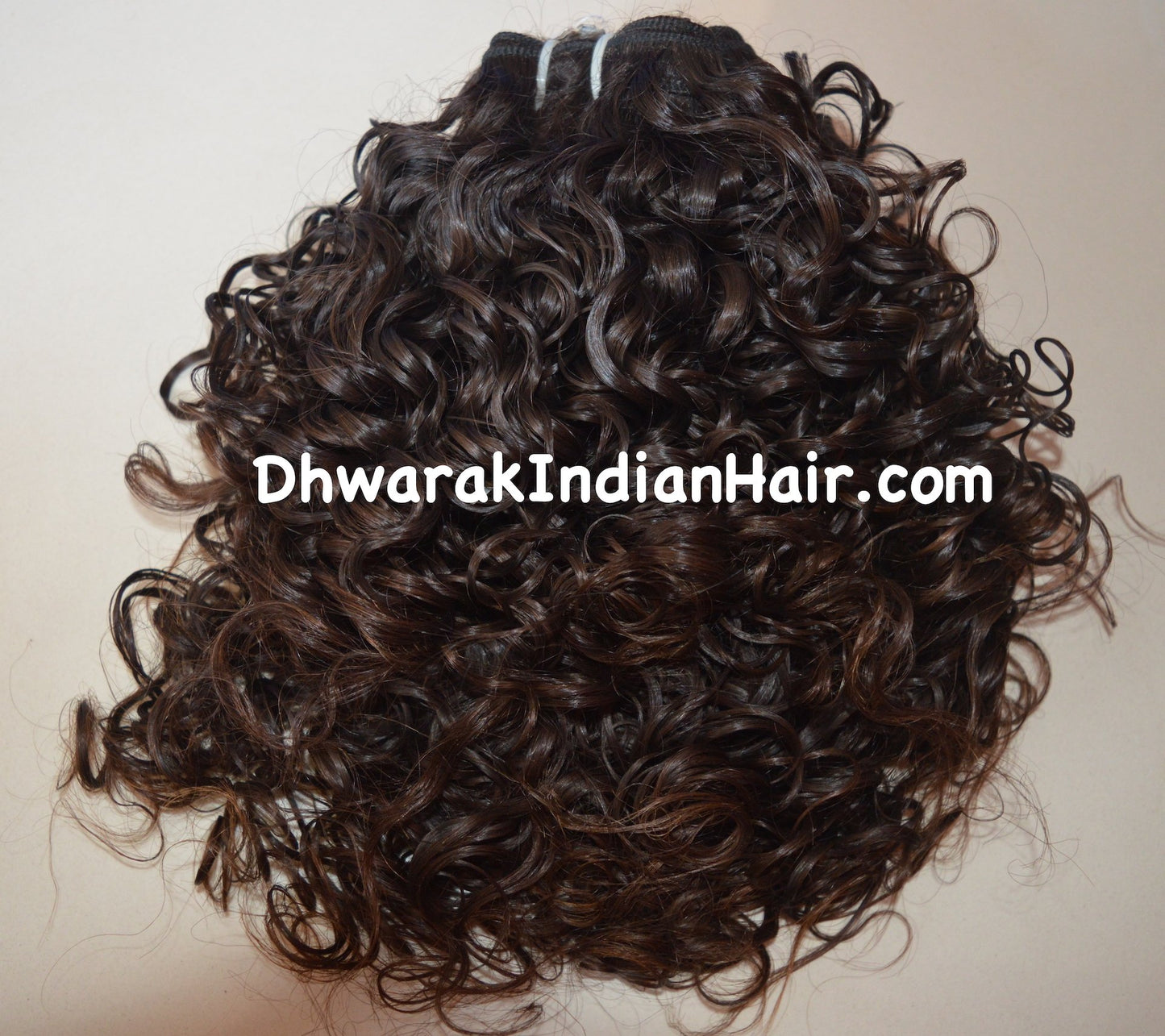
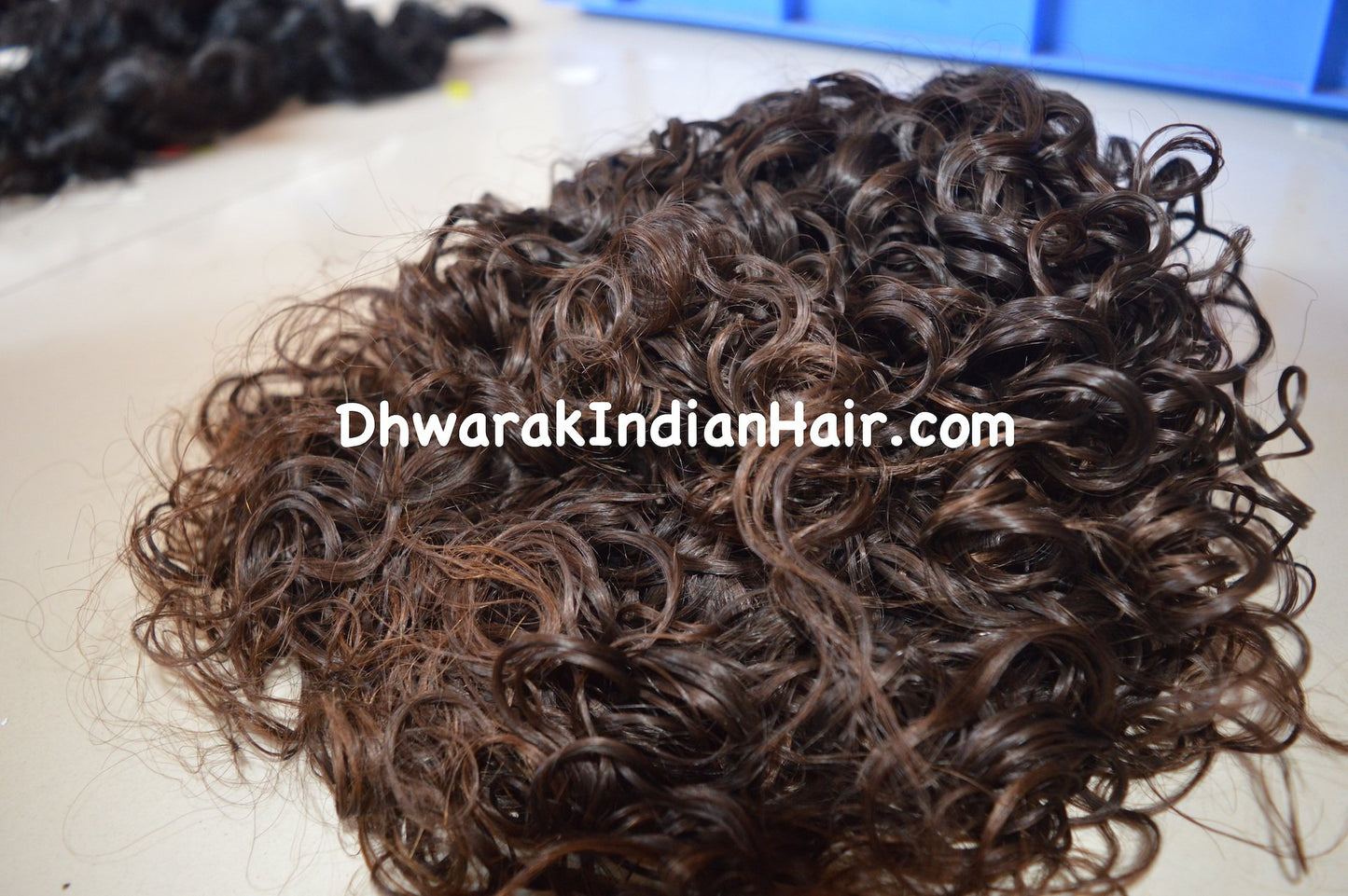
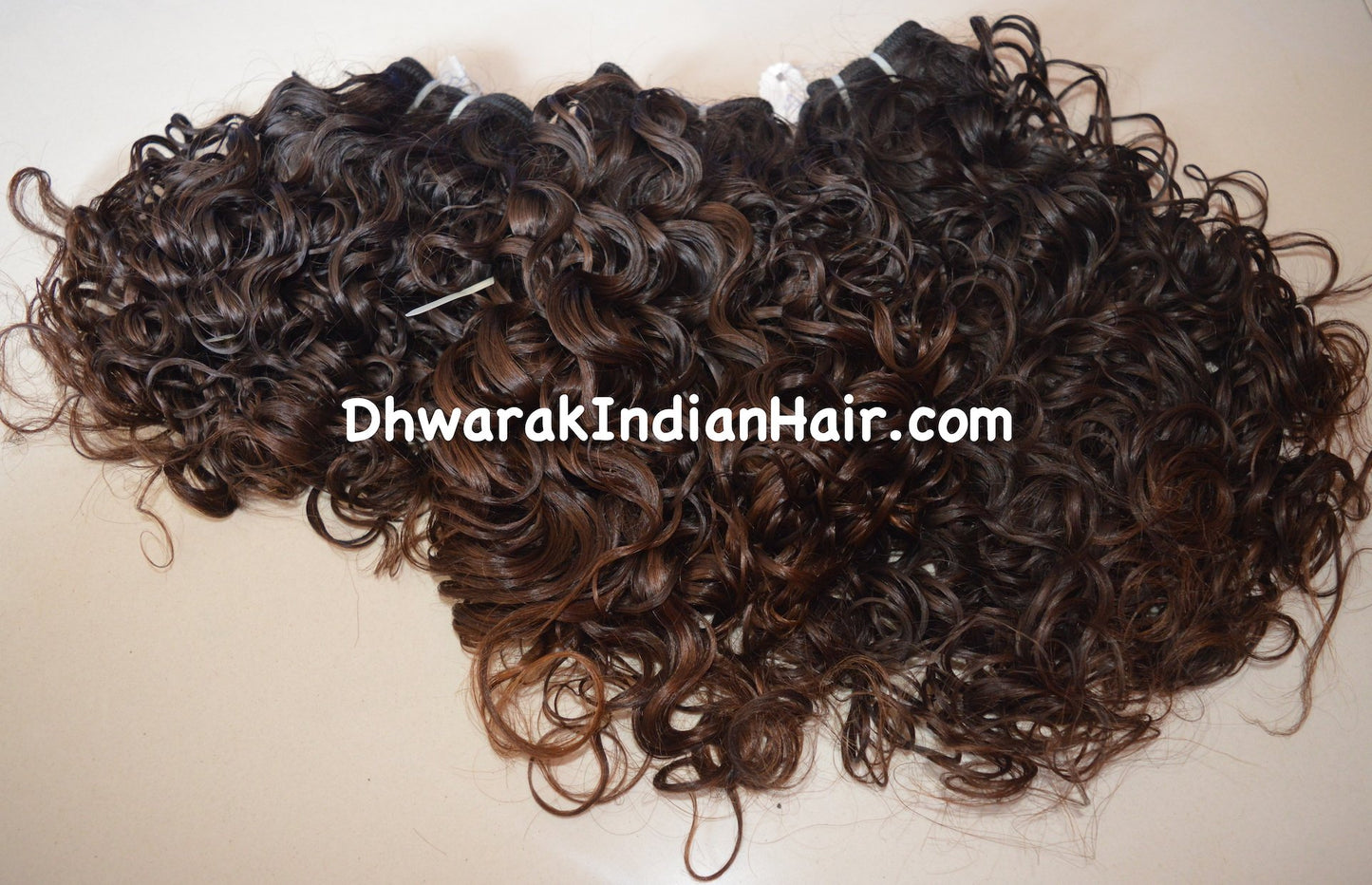
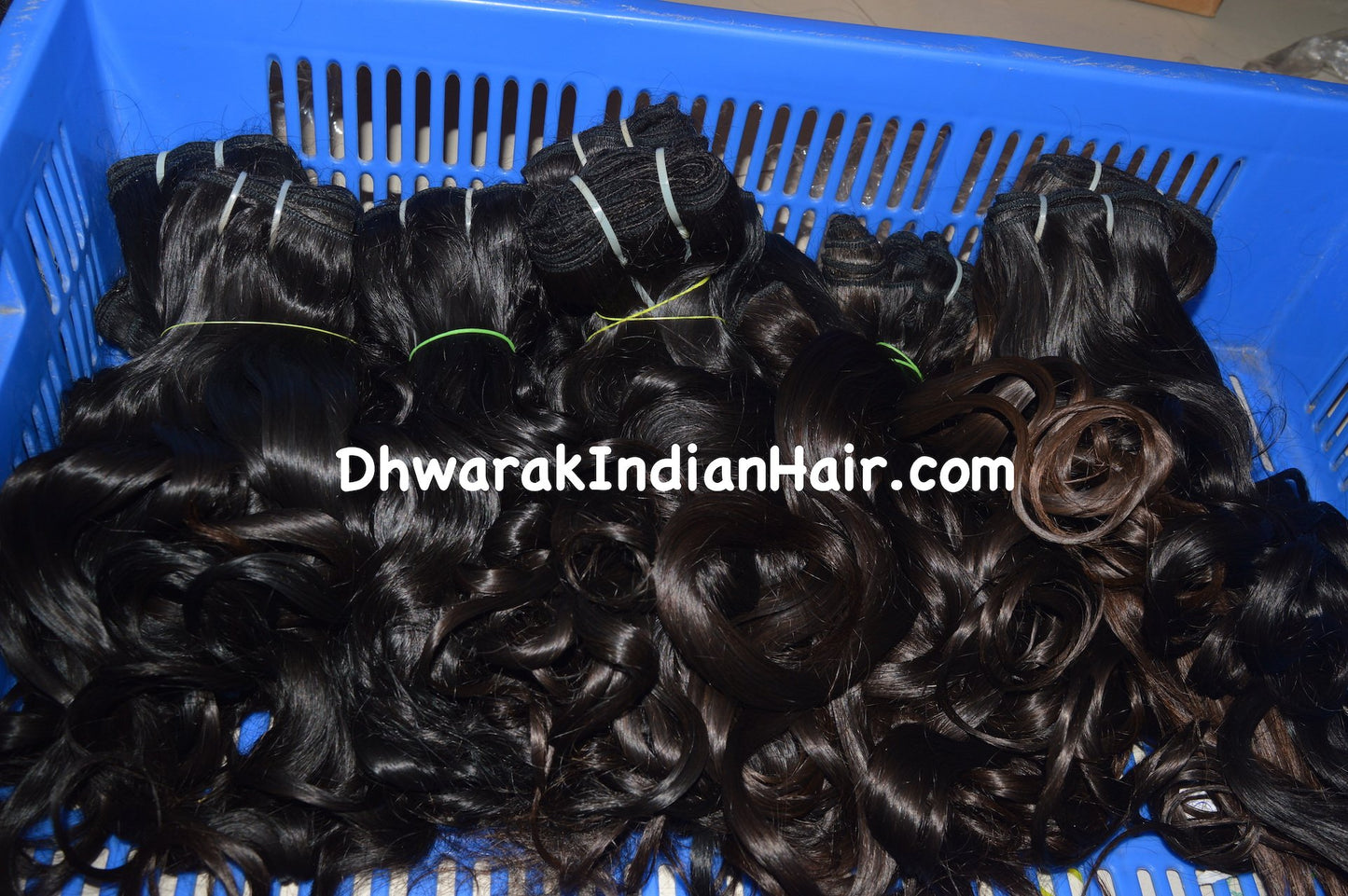
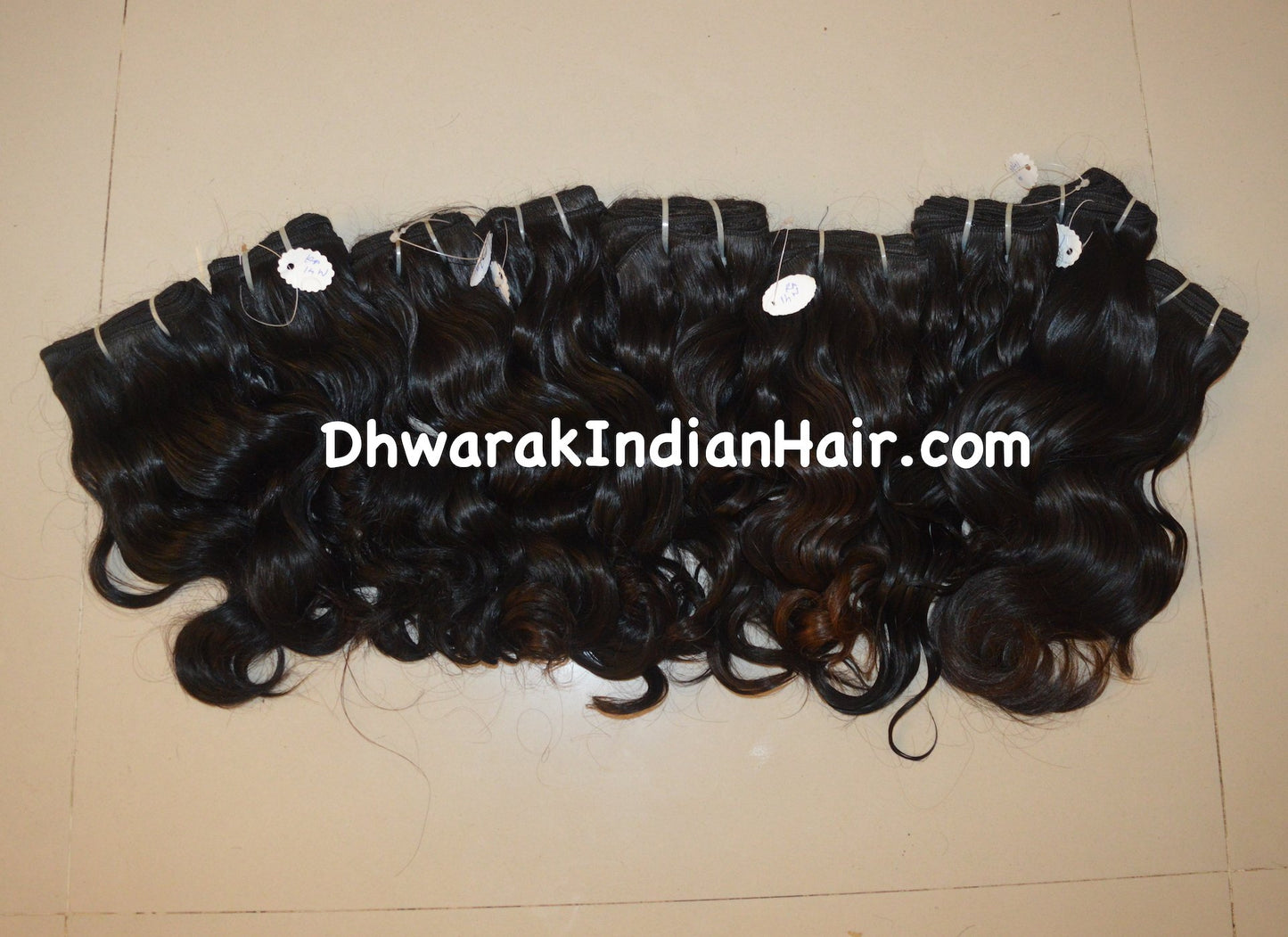
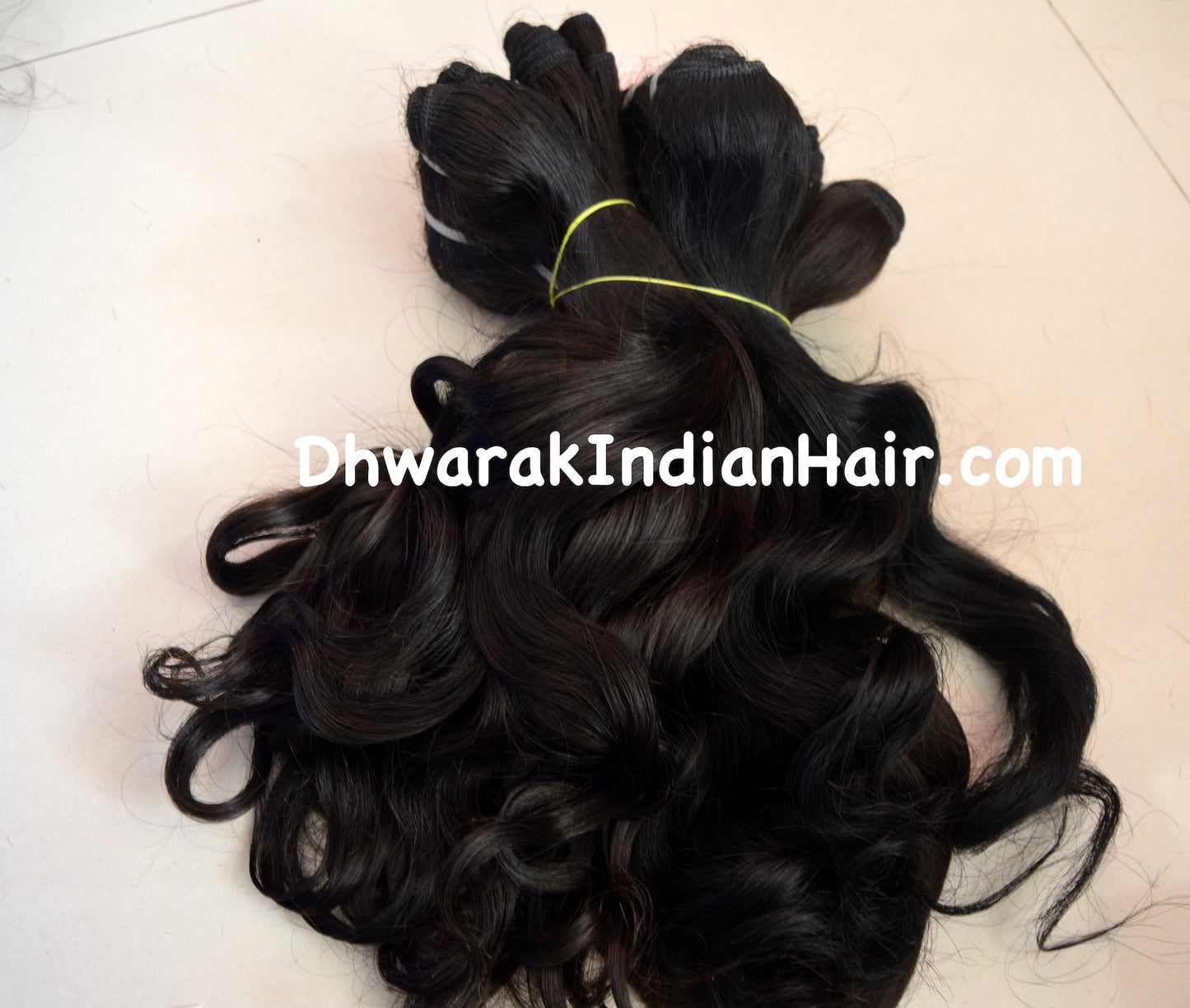
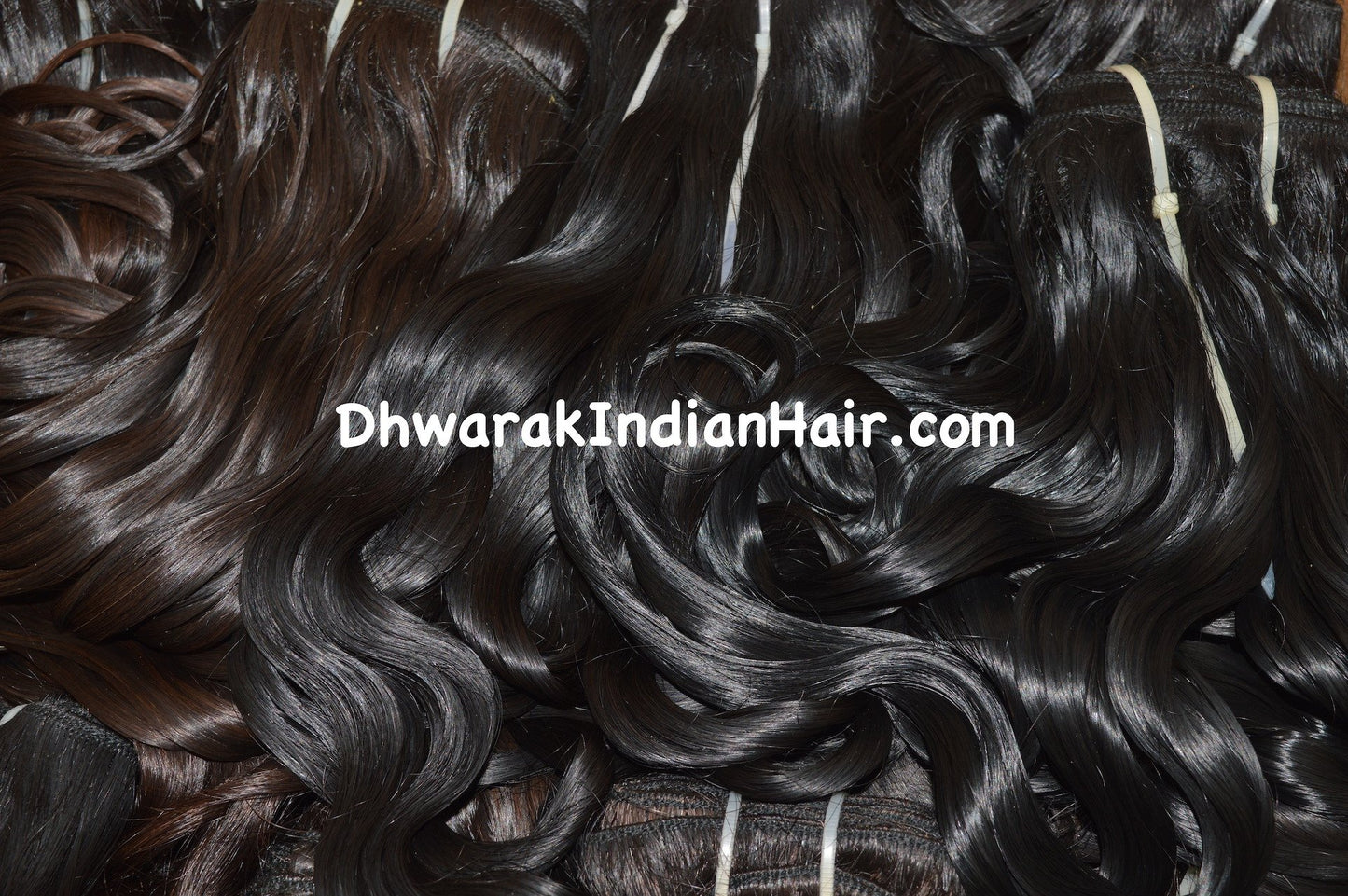
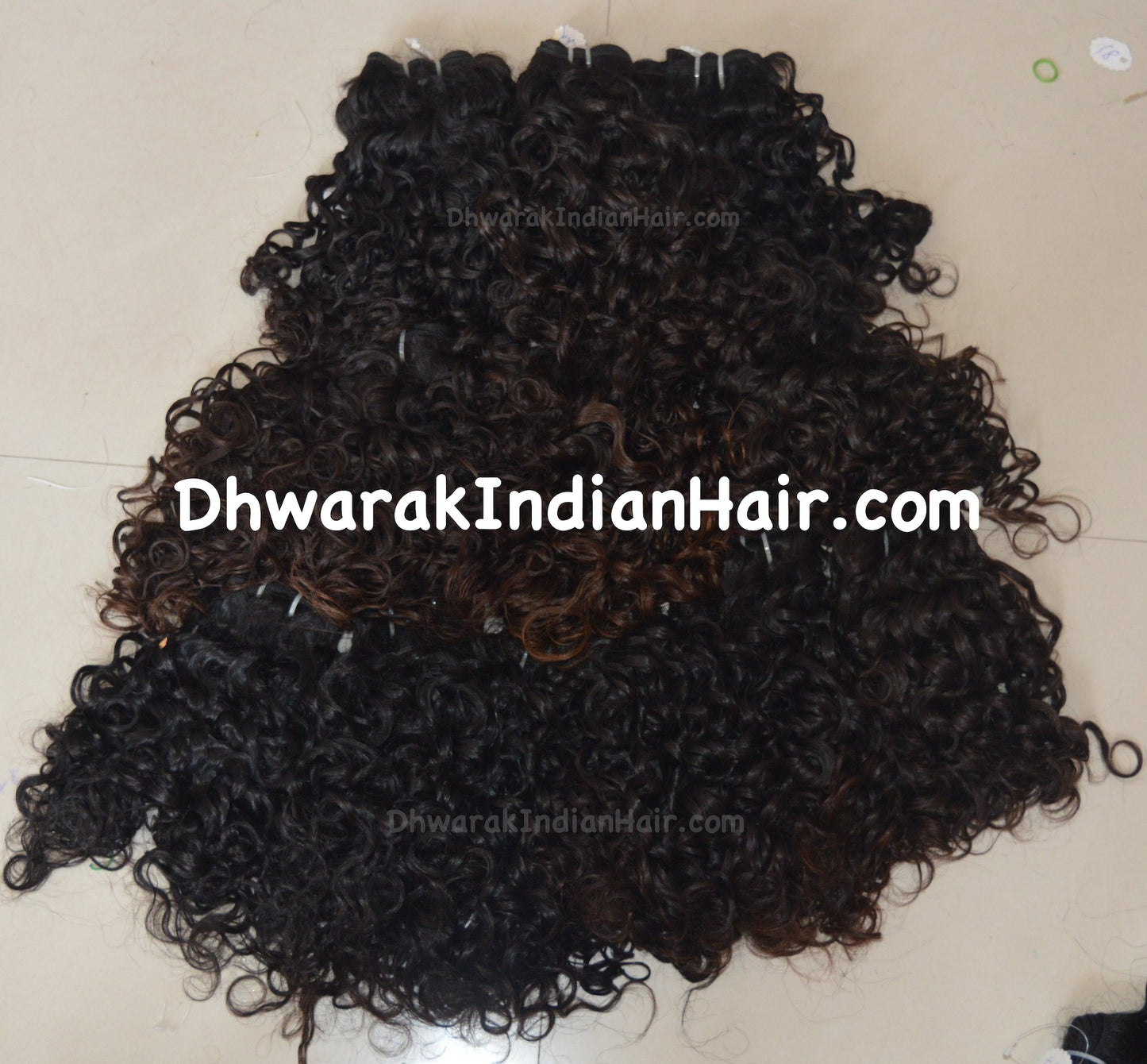
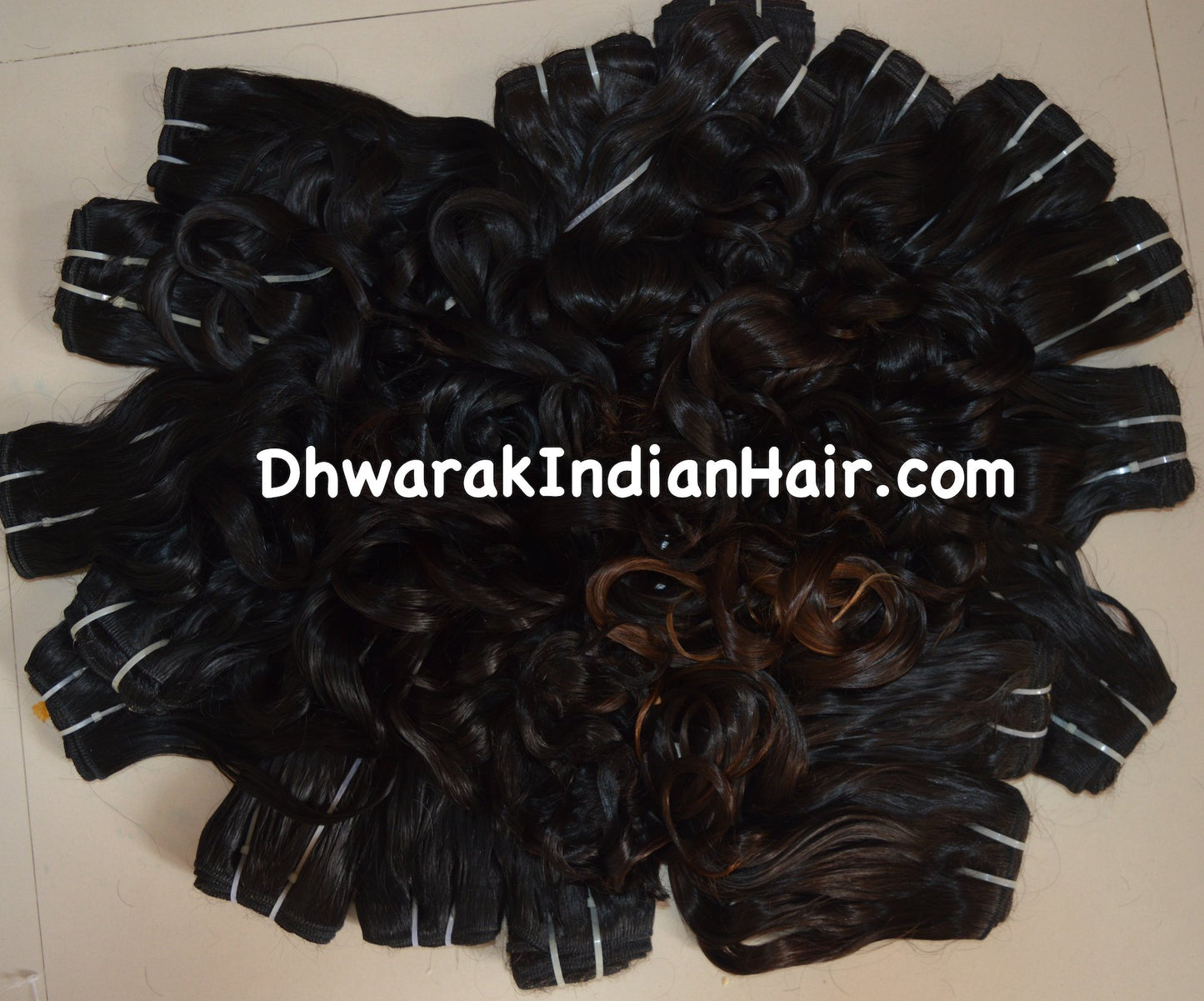
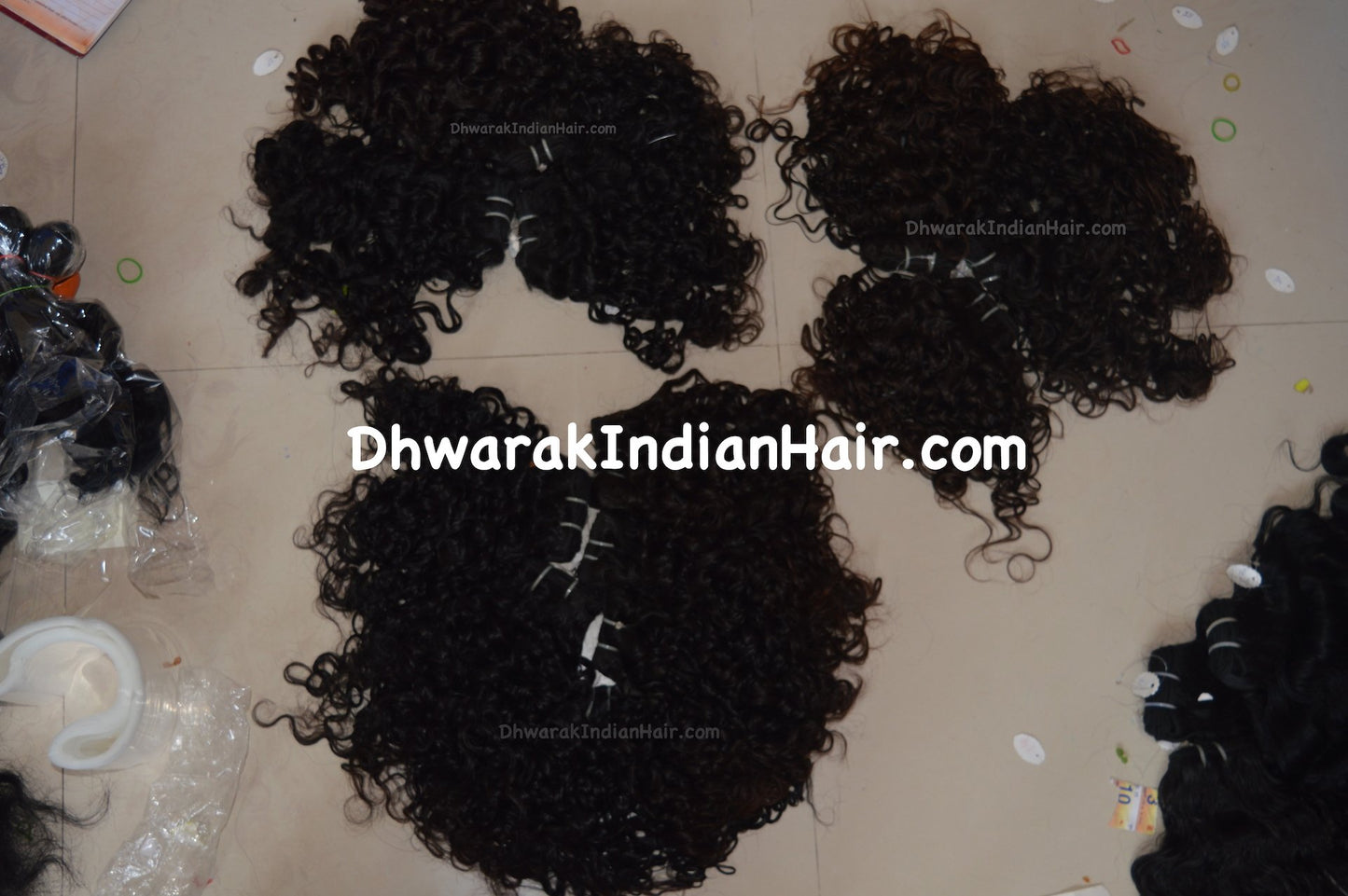
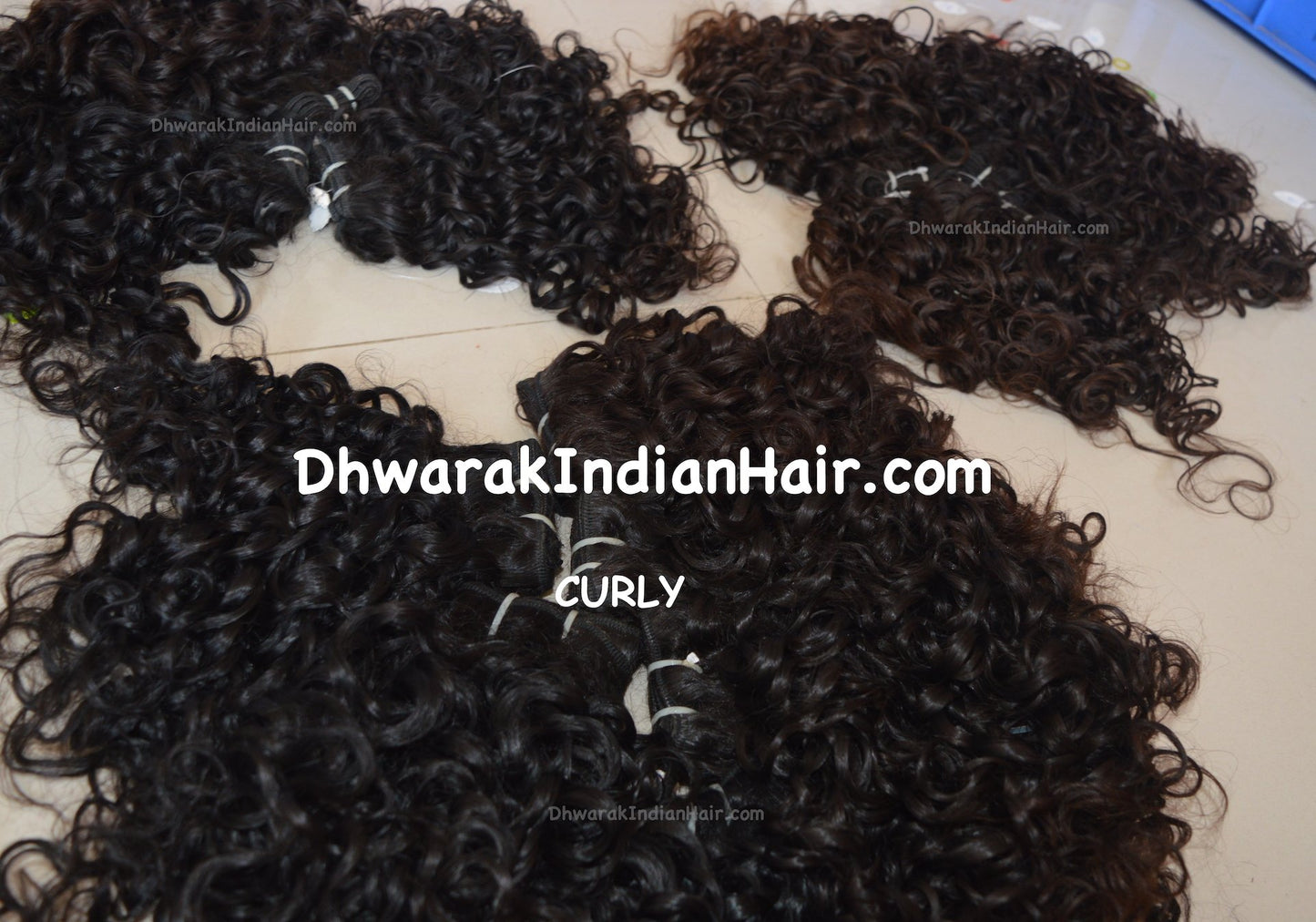
Lots de cheveux indiens – Achetez en ligne
-
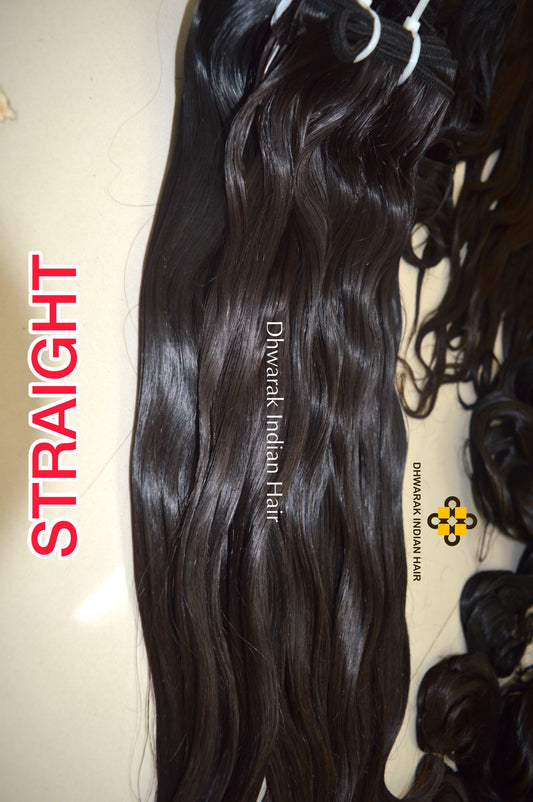
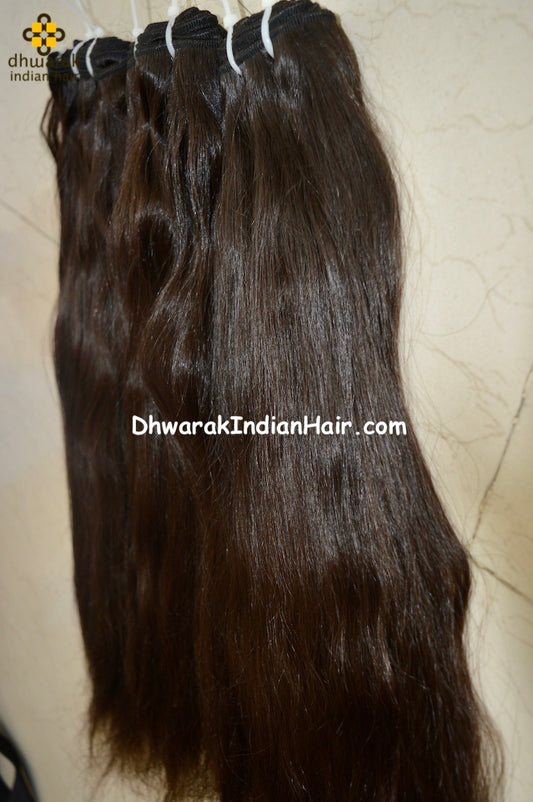
Paquet de cheveux indiens droits et bruts
Prix habituel À partir de $69.99 USDPrix habituelPrix unitaire par$96.00 USDPrix promotionnel À partir de $69.99 USDPromotion -
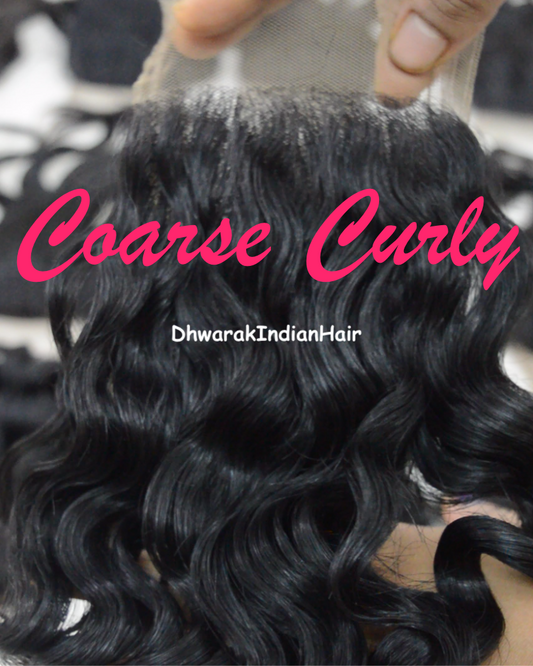
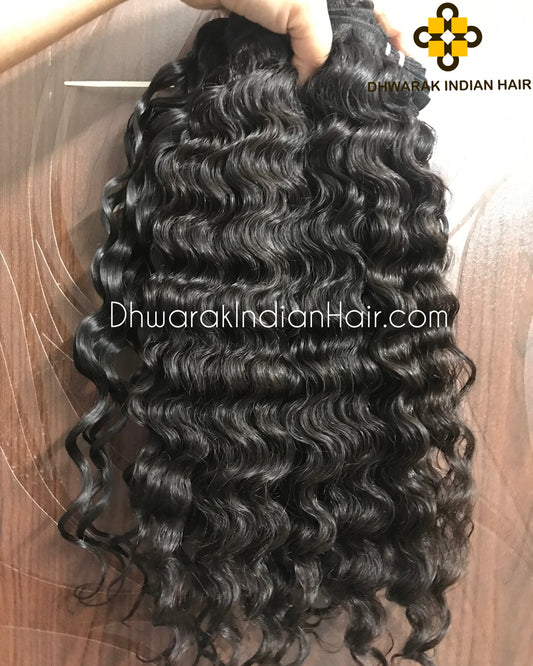
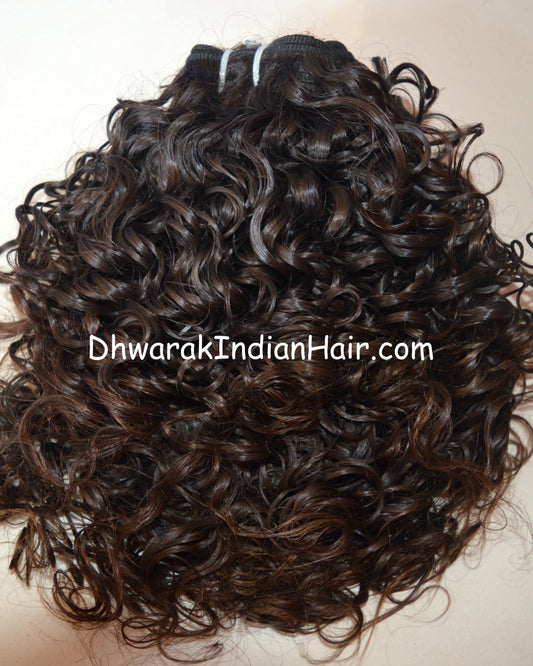
Paquet de cheveux bouclés indiens bruts
Prix habituel À partir de $99.99 USDPrix habituelPrix unitaire par -
 Promotion
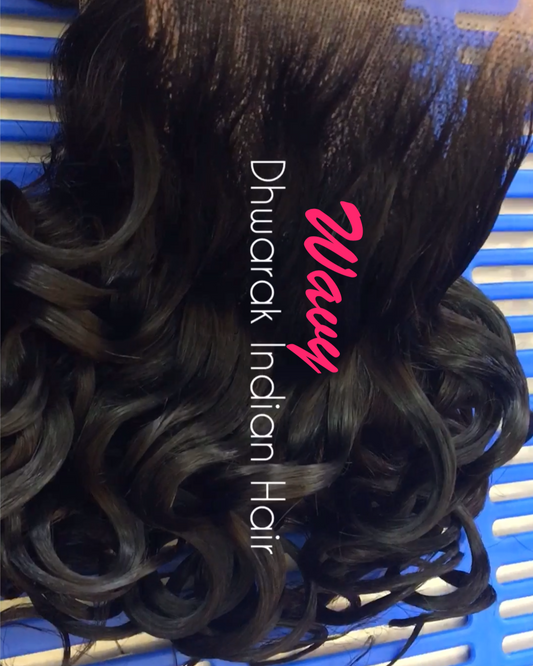
Paquet ondulé indien brut
Prix habituel À partir de $69.99 USDPrix habituelPrix unitaire par$96.00 USDPrix promotionnel À partir de $69.99 USDPromotion -
 Promotion
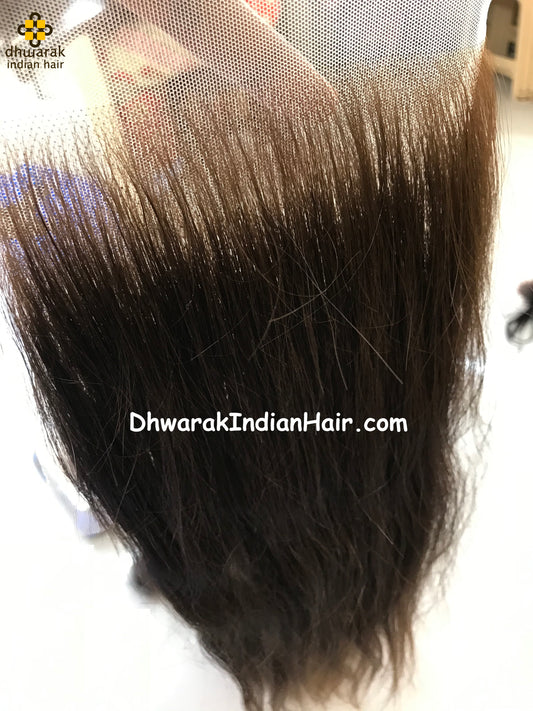
Fermeture en dentelle HD 4x4
Prix habituel À partir de $84.00 USDPrix habituelPrix unitaire par$93.00 USDPrix promotionnel À partir de $84.00 USDPromotion -
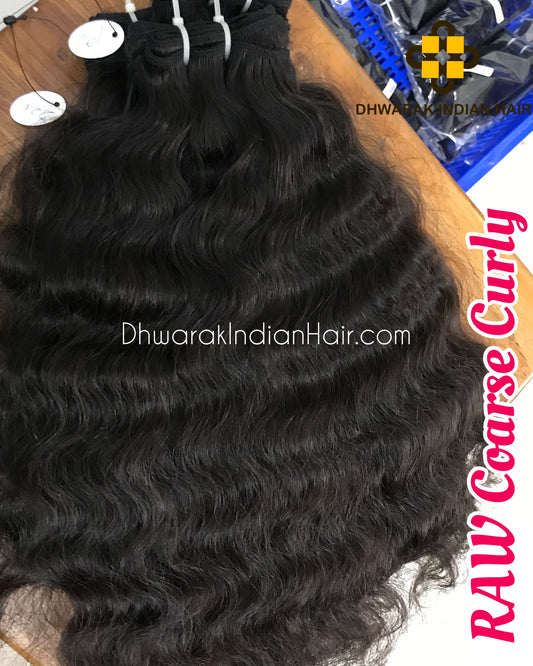
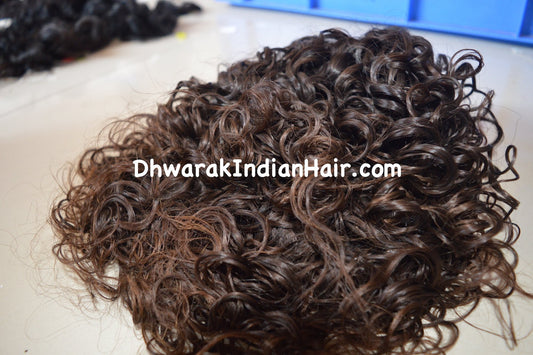
Paquet de cheveux bouclés indiens biologiques crus
Prix habituel À partir de $99.99 USDPrix habituelPrix unitaire par -
 Promotion
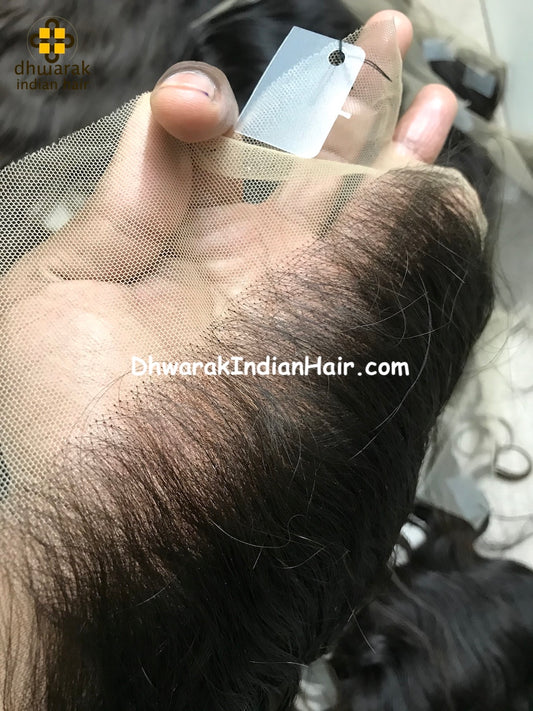
Fermetures en dentelle HD 6x6
Prix habituel À partir de $138.00 USDPrix habituelPrix unitaire par$141.00 USDPrix promotionnel À partir de $138.00 USDPromotion
Vendeur de cheveux en gros
-
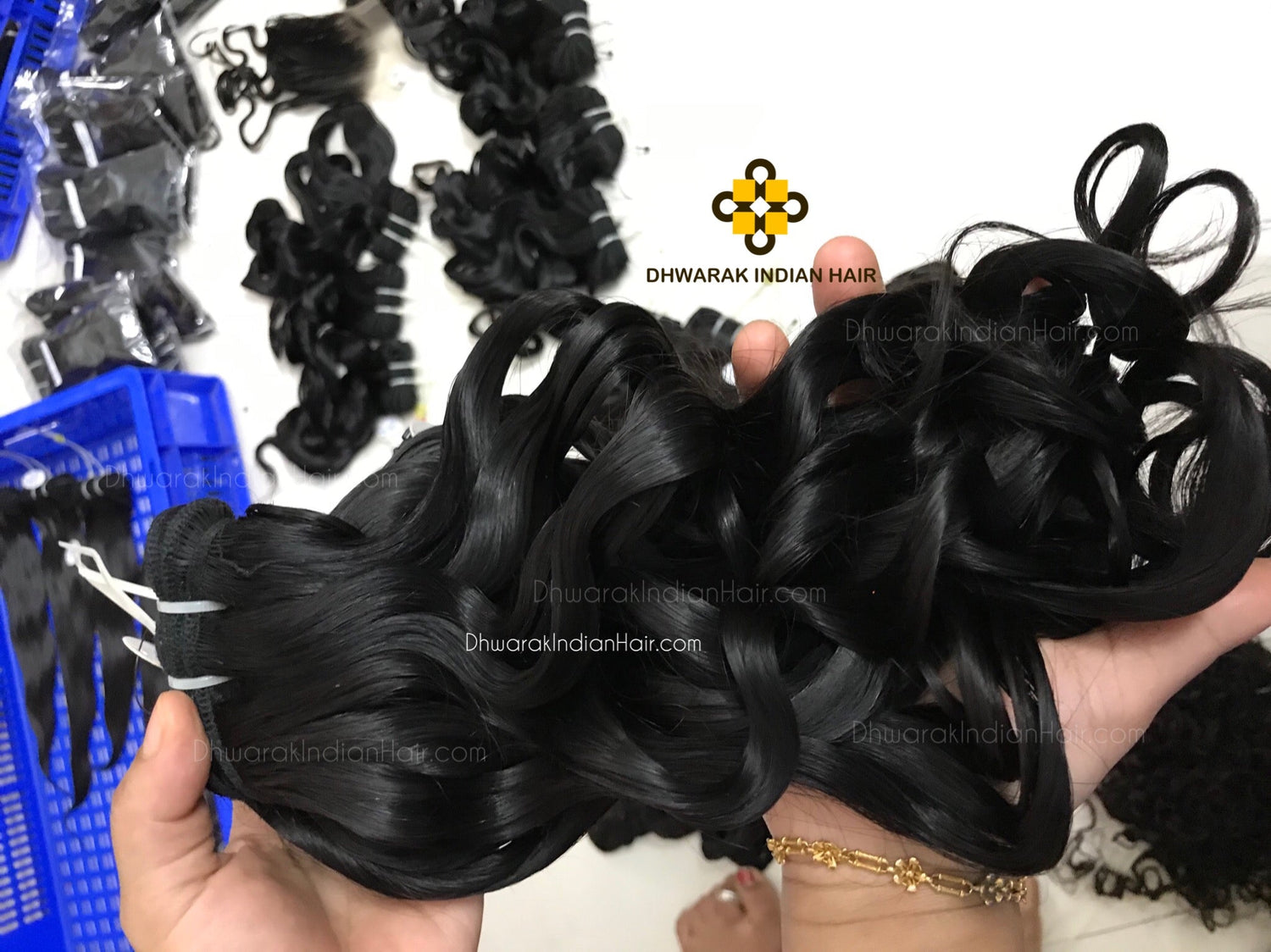
Paquets de cheveux indiens bruts
Lots de cheveux indiens bruts d'origine éthique Nous sommes l'un des plus...
-
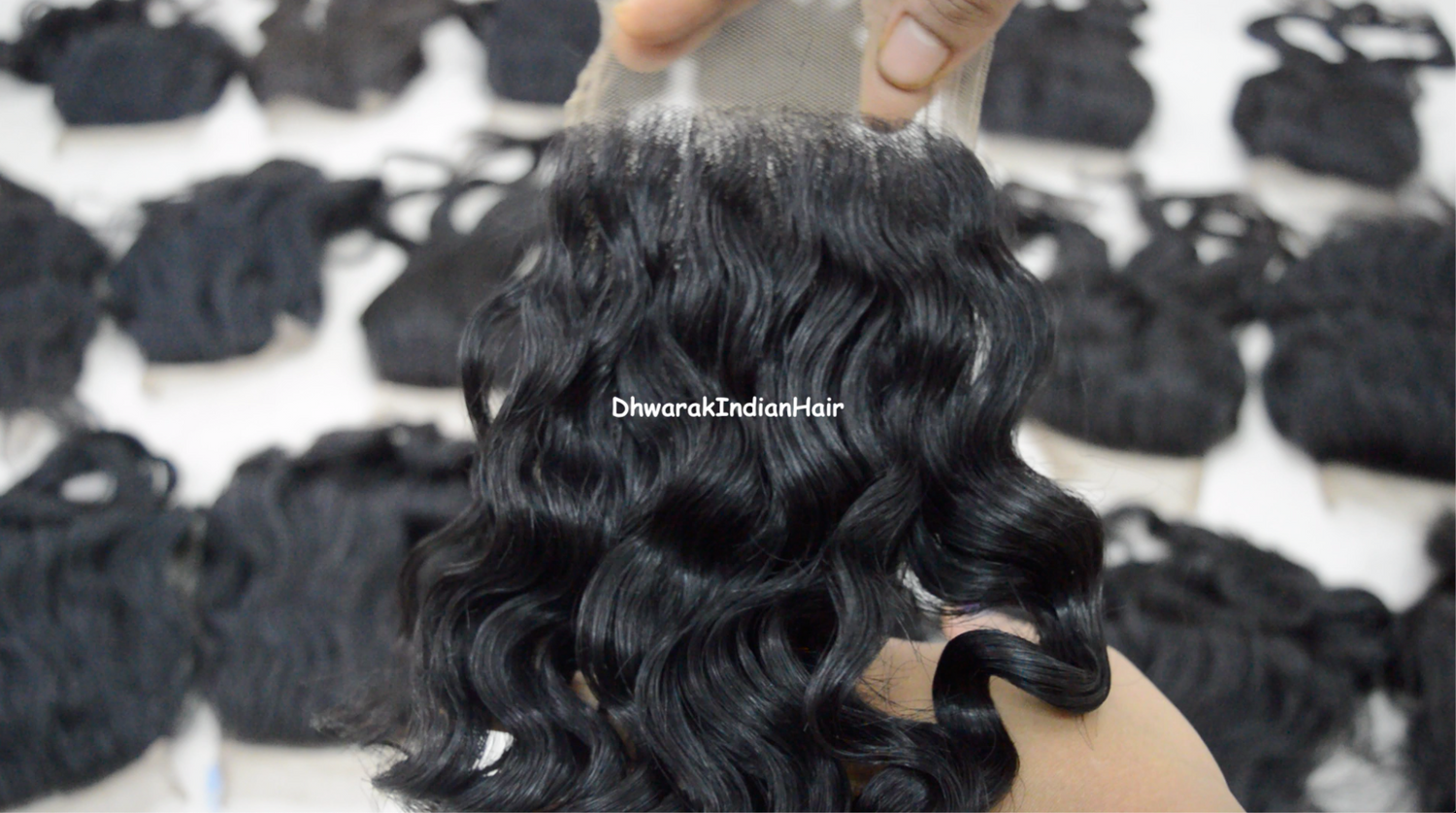
Fermeture à lacets
Meilleure fermeture en dentelle transparente HAUTE DÉFINITION 6x6 vs 4x4 Les fermetures...
-
Offres groupées de cheveux indiens bruts
Offres de lots de cheveux - Usine de vente en gros de...
