
Why Real Raw Indian Hair Is Different — And Why Cheap Hair Fails After One Wash
The Hair Industry Truth Most Buyers Learn Too Late
Search for human hair bundles today and you’ll see thousands of sellers using the same words:
“100% human hair” “Cuticle aligned” “Premium quality”
Yet, after just one or two washes, many buyers face the same disappointment — extreme tangling, dryness, matting, and complete texture breakdown.
This doesn’t happen because steaming is bad.
It happens because most hair sold globally has no cuticles at all.
This page explains — clearly and honestly — the real difference between authentic raw Indian temple hair and cheap, heavily processed hair, so you understand exactly what you are paying for and why true raw hair costs more.

There Are Only Two Real Categories of Hair in the Market
Despite countless marketing labels, the global hair market essentially operates on two fundamentally different types of hair:
1️⃣ Hair With Natural Cuticles (Premium Category)
The first category is hair that is naturally rich in cuticles. This hair is sourced ethically from temples, grows in one natural direction, and requires only minimal processing to prepare it for use. Because the cuticles are intact, the hair has strength, longevity, and natural behavior.
Sourced ethically from temples
Naturally unidirectional cuticles
Minimal processing
Long lifespan
2️⃣ Hair Without Cuticles (Low-Grade Category)
The second category is hair that has had its cuticles intentionally destroyed. This hair is collected cheaply from mixed and untraceable sources such as salon floors, comb waste, or bulk scrap collections. Since the hair does not grow in one direction, manufacturers remove the cuticles entirely to prevent tangling, then chemically straighten and coat the strands to make them appear smooth and uniform.
Collected from floors, salons, comb waste, or mixed sources
Cuticles destroyed intentionally
Chemically straightened and coated
Short lifespan
Everything else is branding language. These two categories behave completely differently once the hair is installed and washed.
Understanding Real Raw Indian Temple Hair
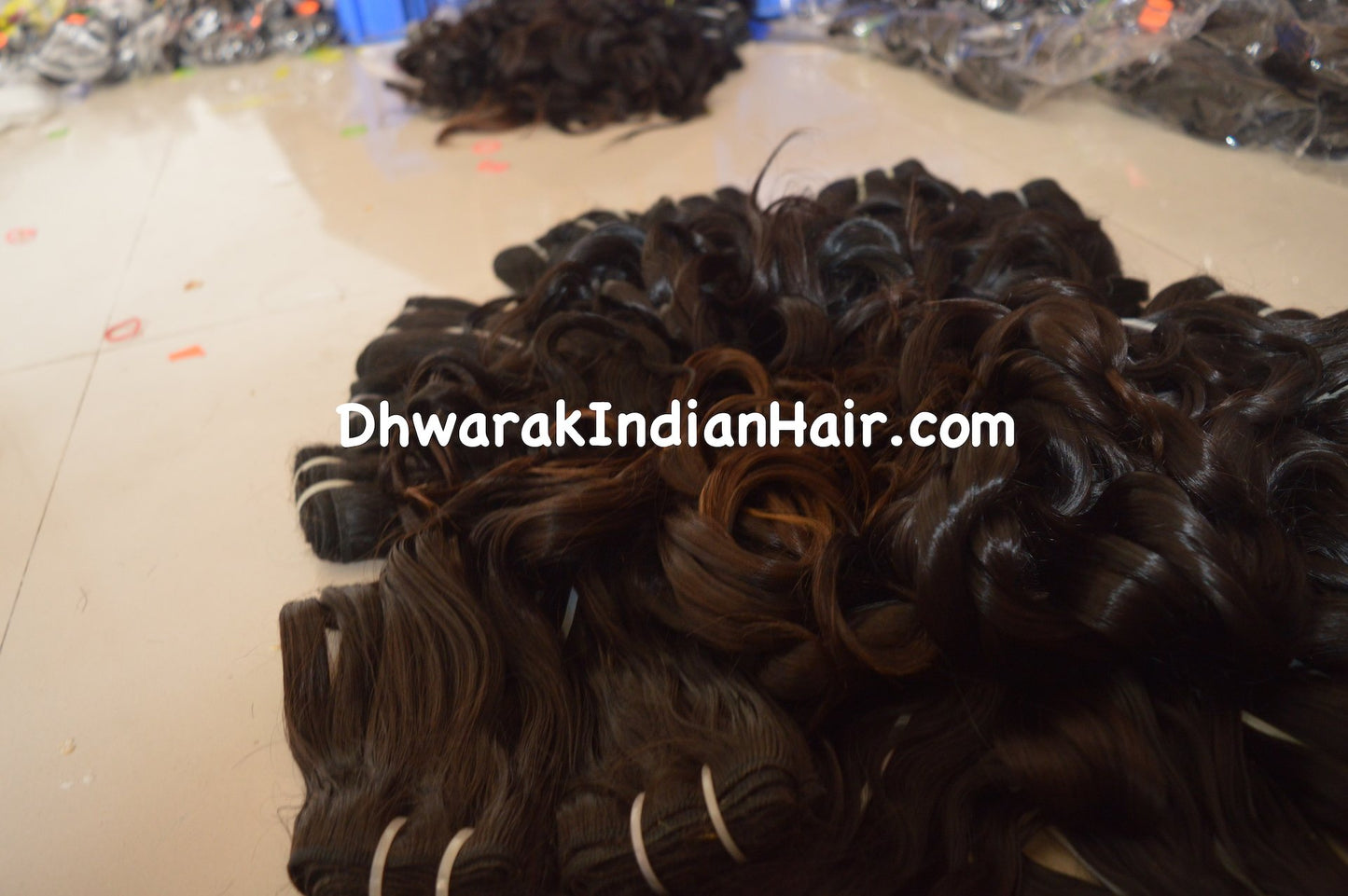
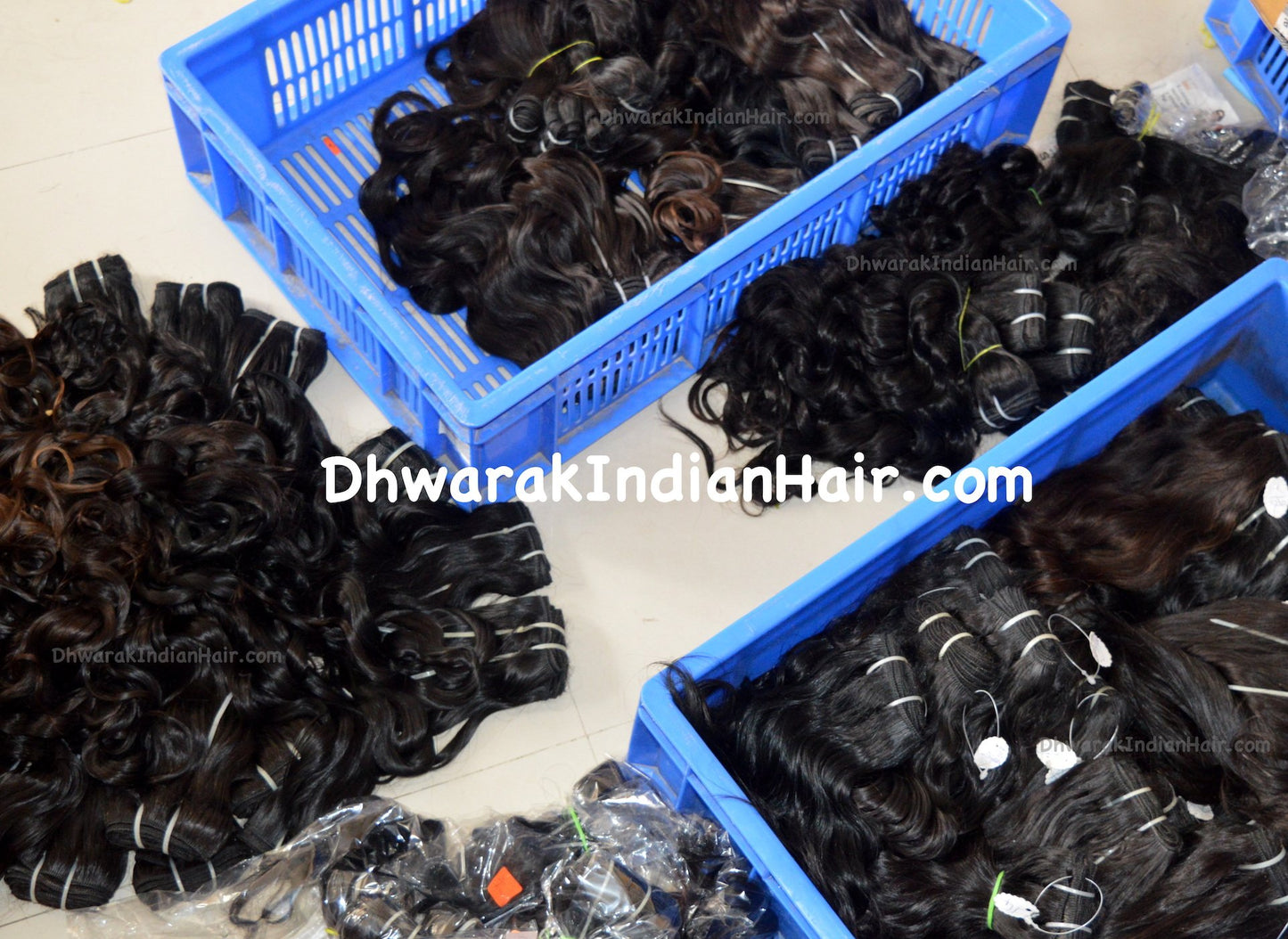
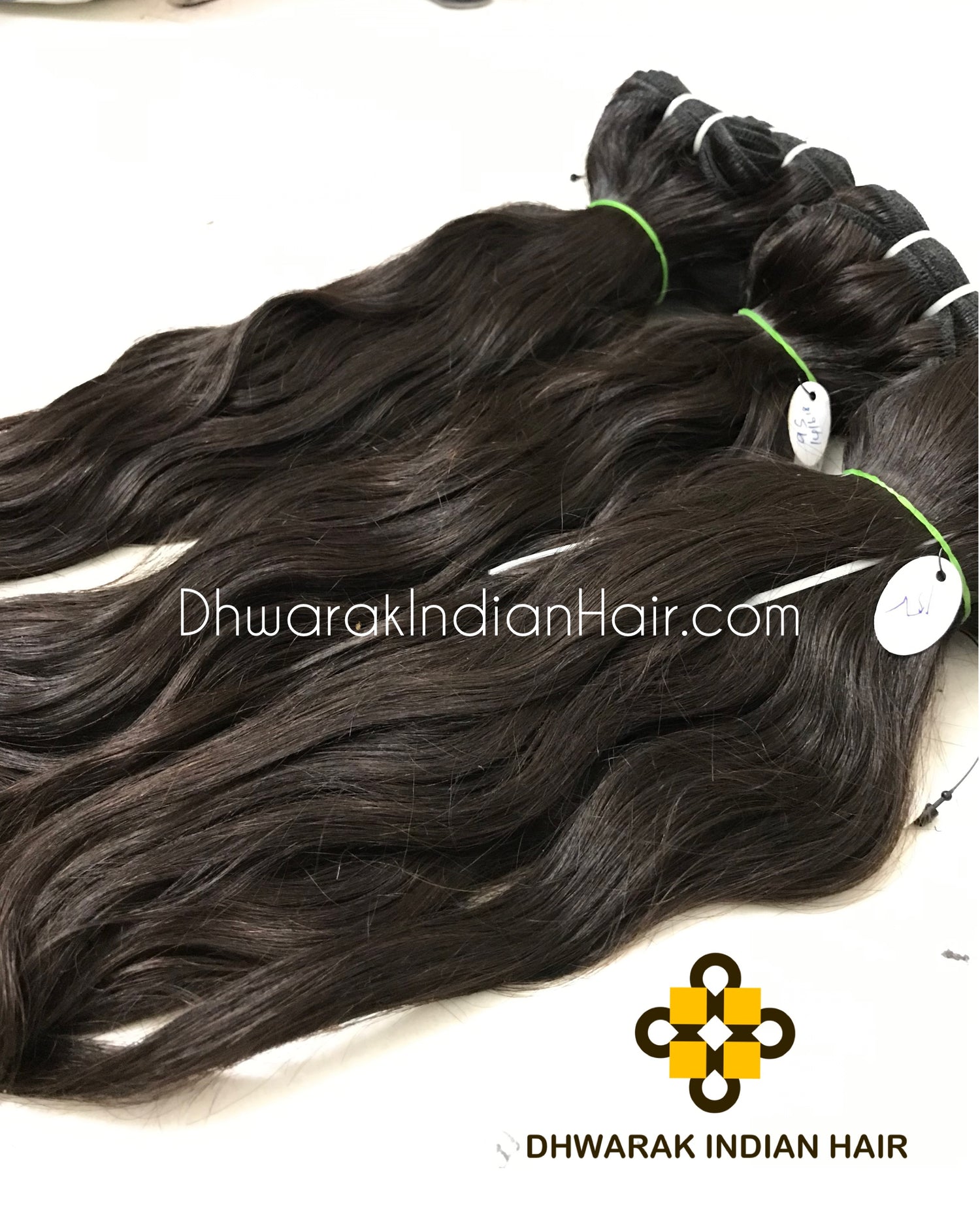
Authentic raw Indian hair is collected directly from temples in South India, where donors offer their hair as part of long-standing religious rituals. This hair grows naturally in one direction, with cuticles intact from root to tip. Because of this natural alignment, the hair does not need to be acid-washed or aggressively processed to make it usable.
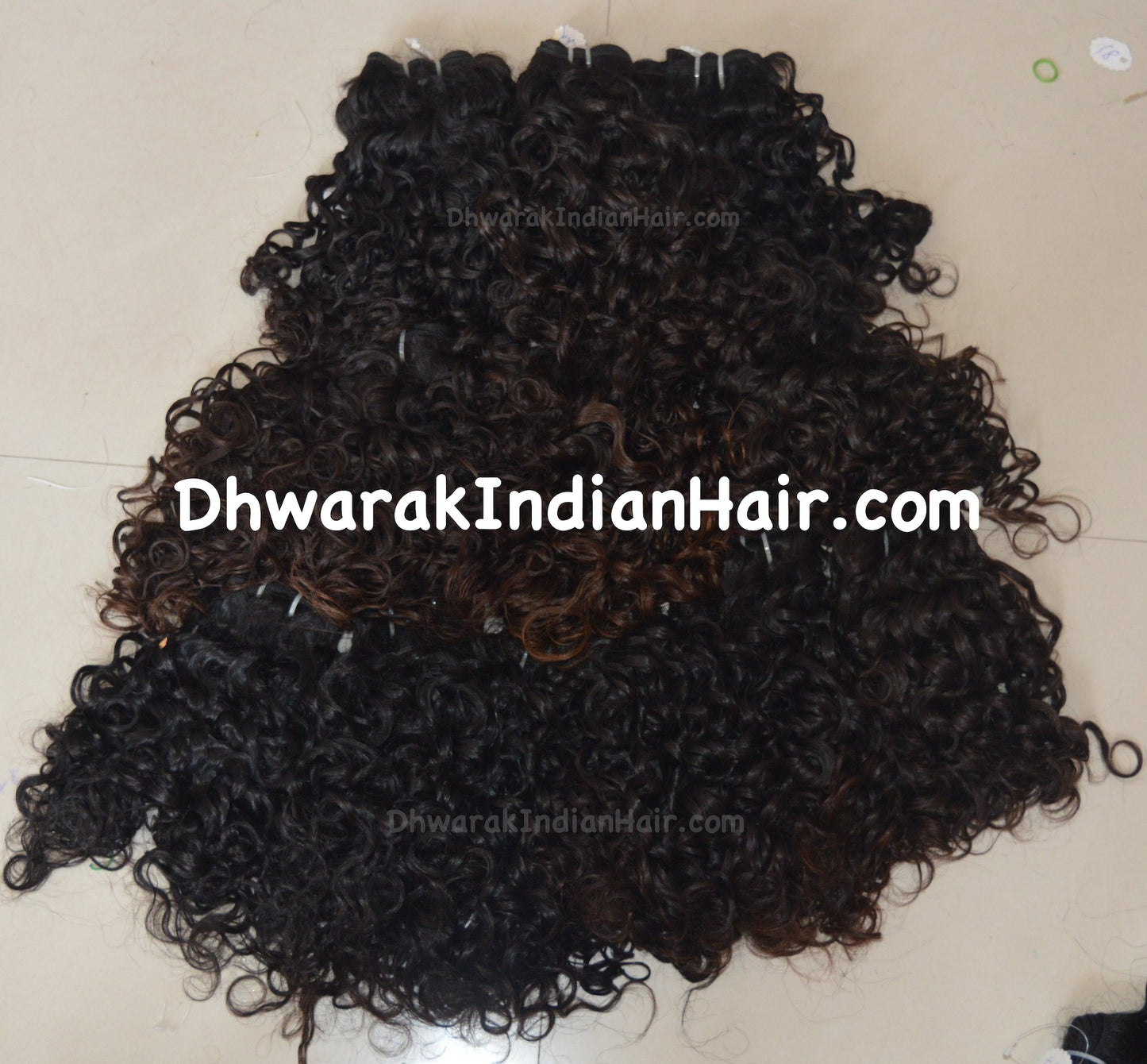
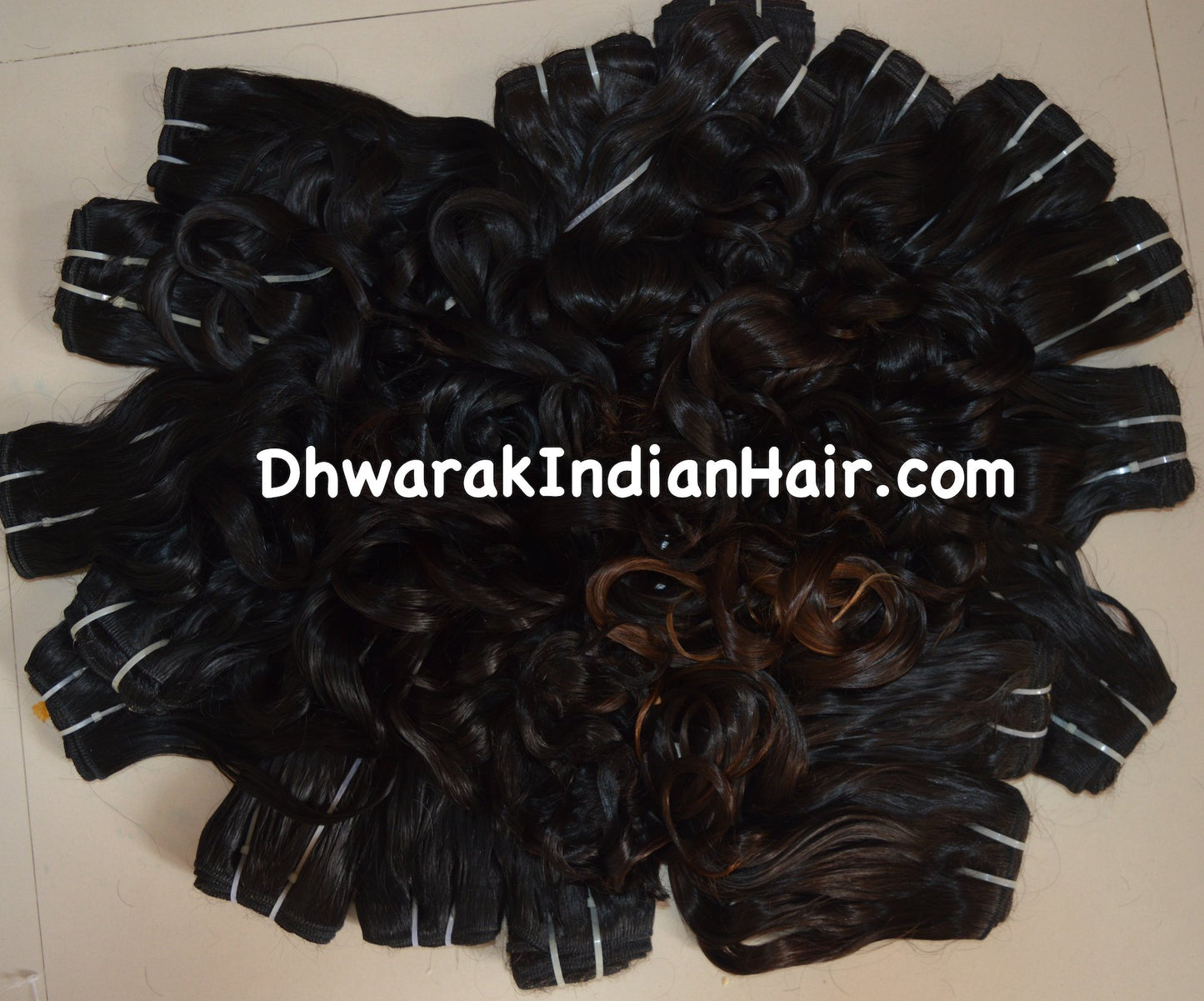
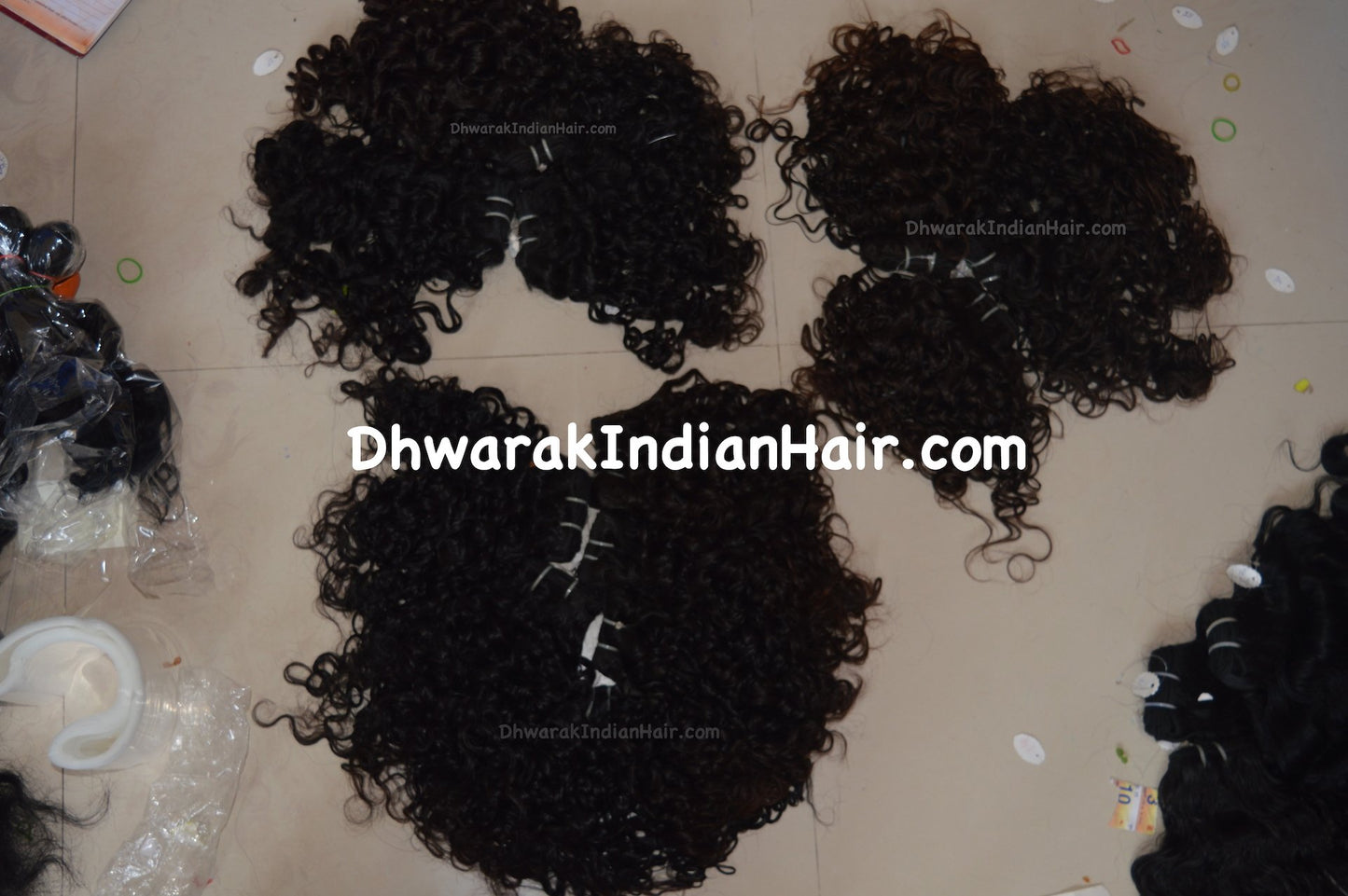
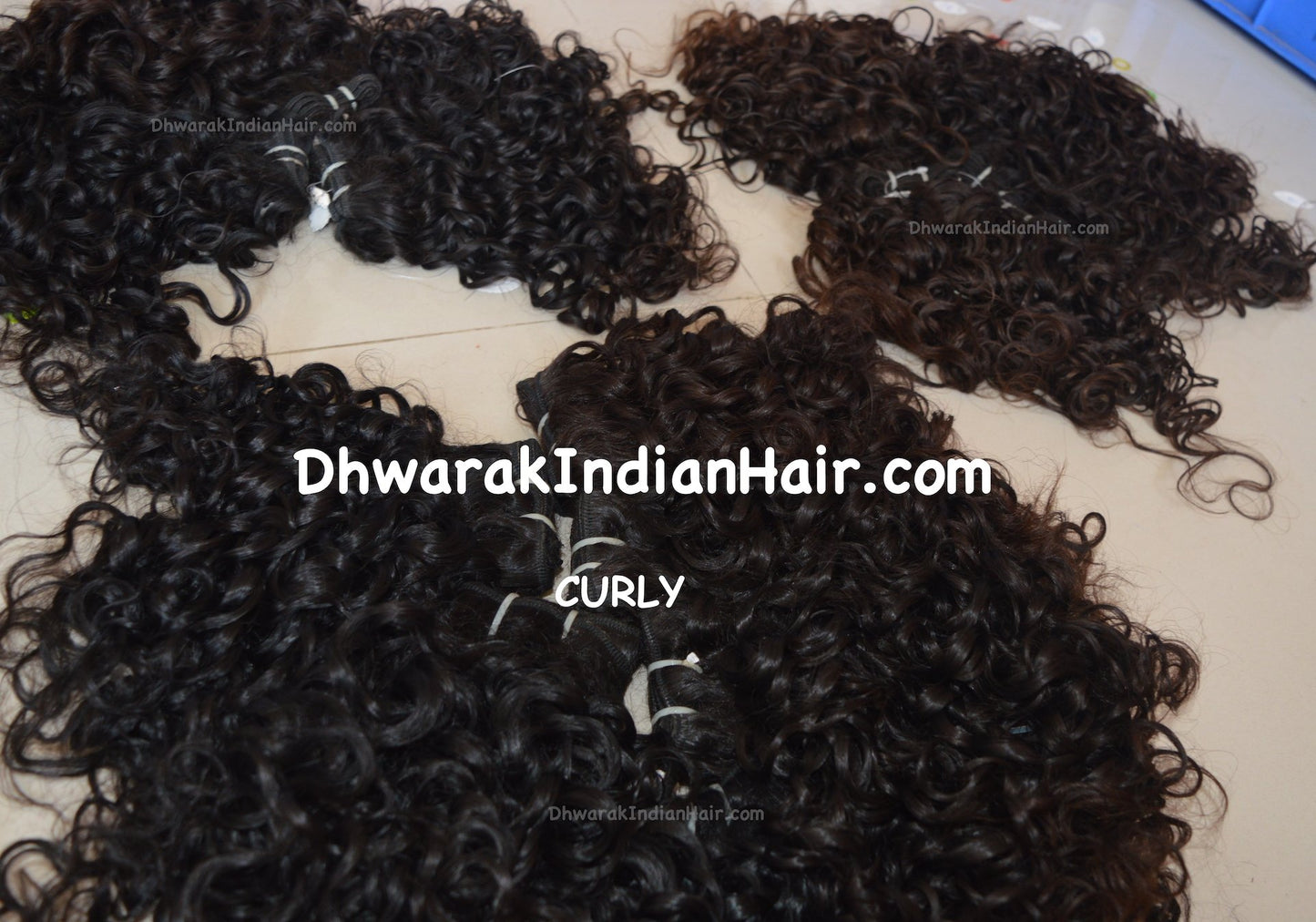
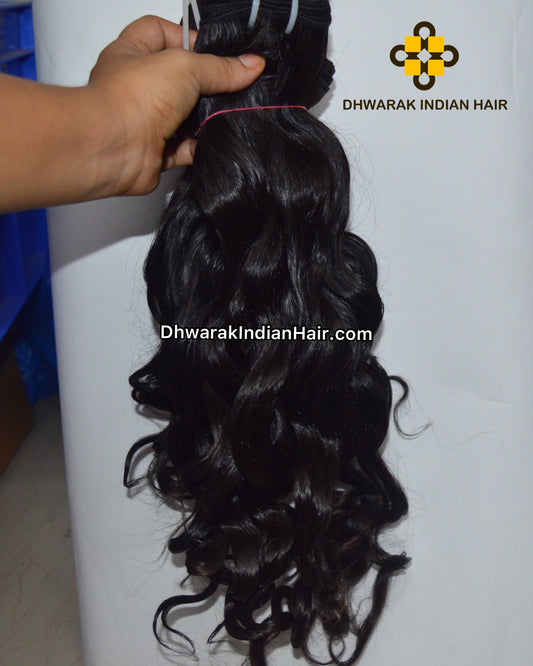
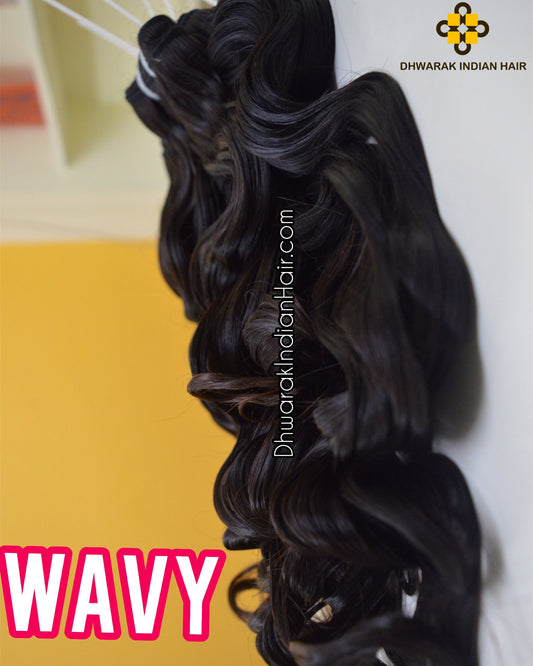
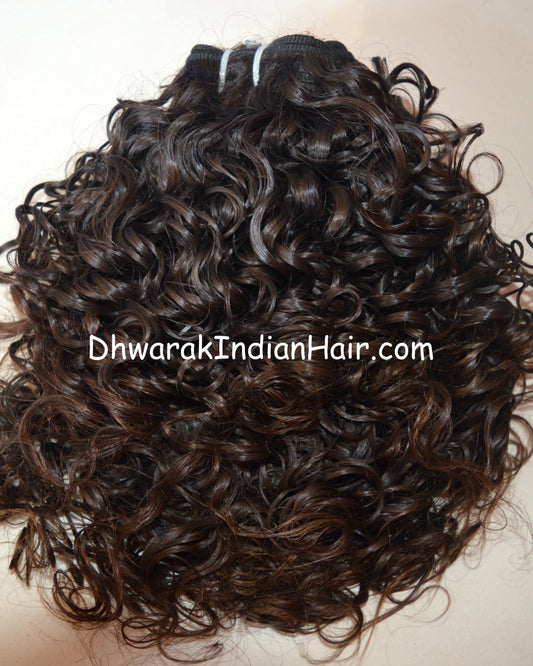
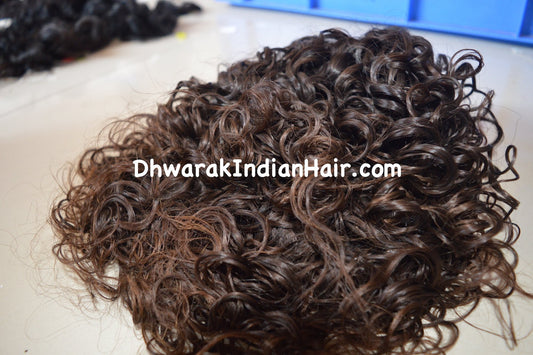
Raw temple hair retains its original strength, elasticity, and density. It reacts to water, humidity, oils, and styling just like natural hair because it is natural hair. Slight variations in texture, wave pattern, and volume are signs of authenticity — not flaws.
This is why true raw hair ages beautifully over time instead of breaking down after a few washes.
Naturally grows in one direction
Has intact, living cuticles
Has never been acid-washed to remove texture
Has natural strength, elasticity, and density
Because the cuticles are already aligned by nature, there is no need to strip or destroy them.
This is why raw temple hair behaves like real hair — it reacts to water, humidity, oils, and styling naturally.
👉 Explore authentic raw Indian hair bundles here: https://dhwarakindianhair.com/collections/raw-hair-bundles

Steaming Is Not the Enemy — It’s a Texture Enhancement Tool
There is a major misconception in the industry that “steamed hair is not raw.”
This is incorrect.
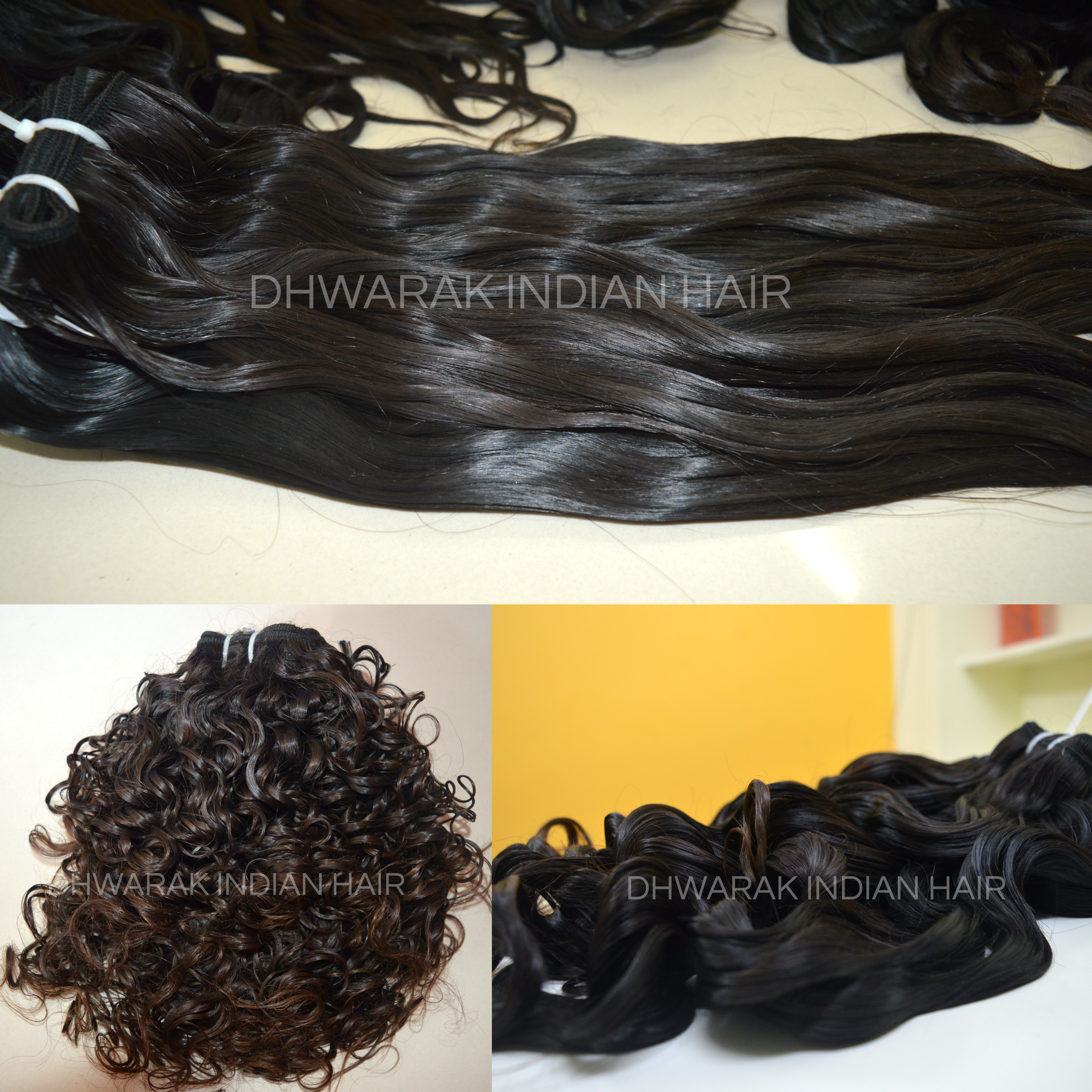
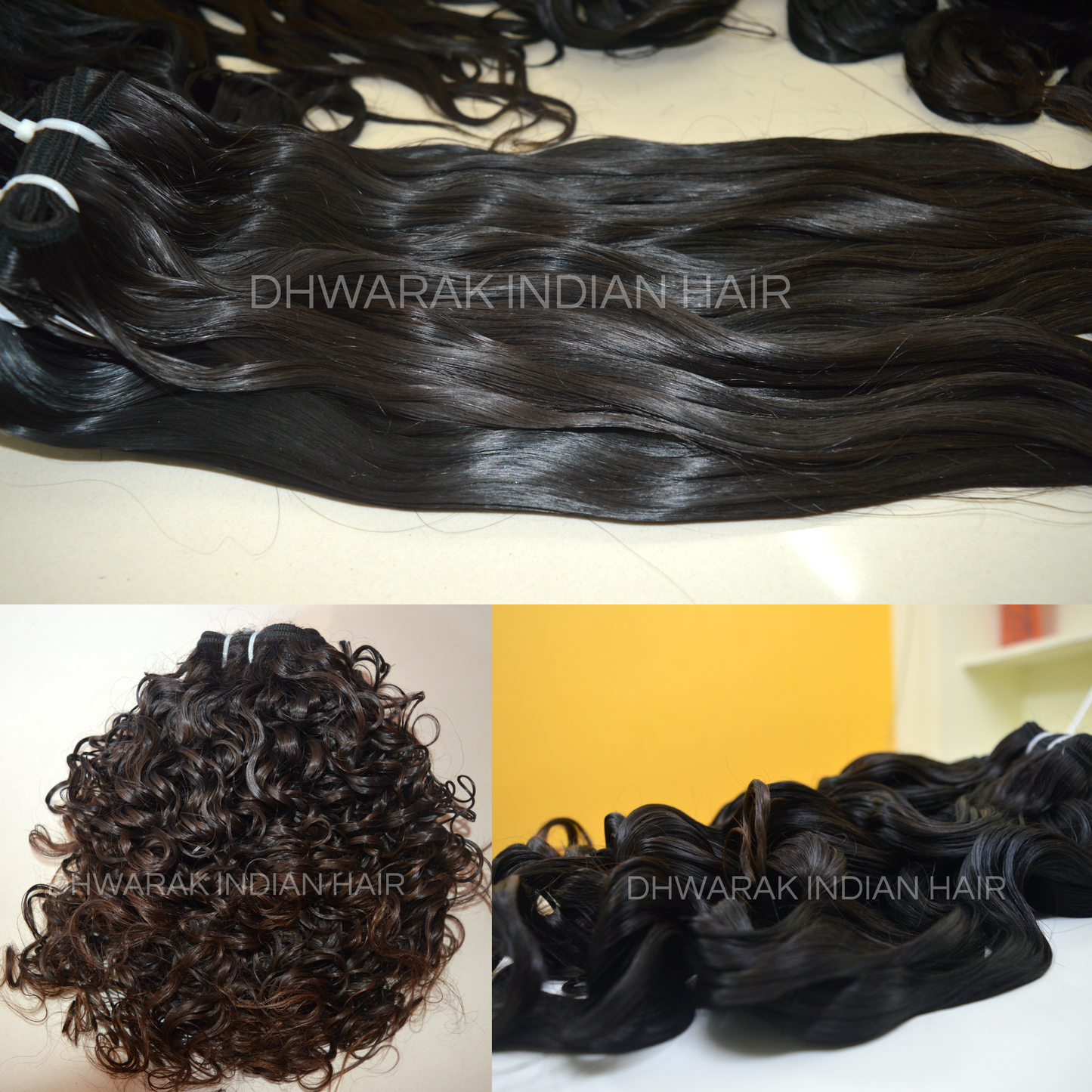
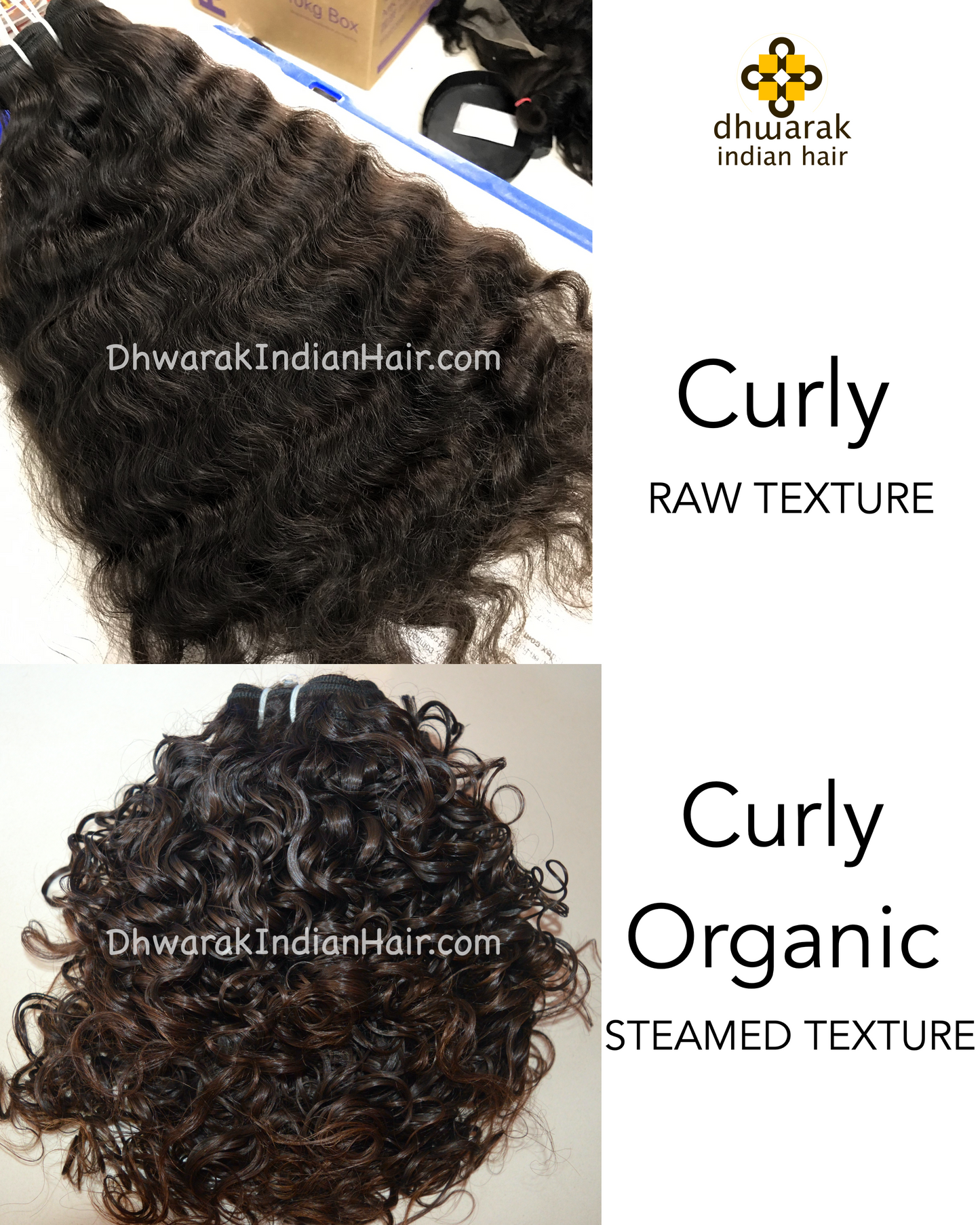
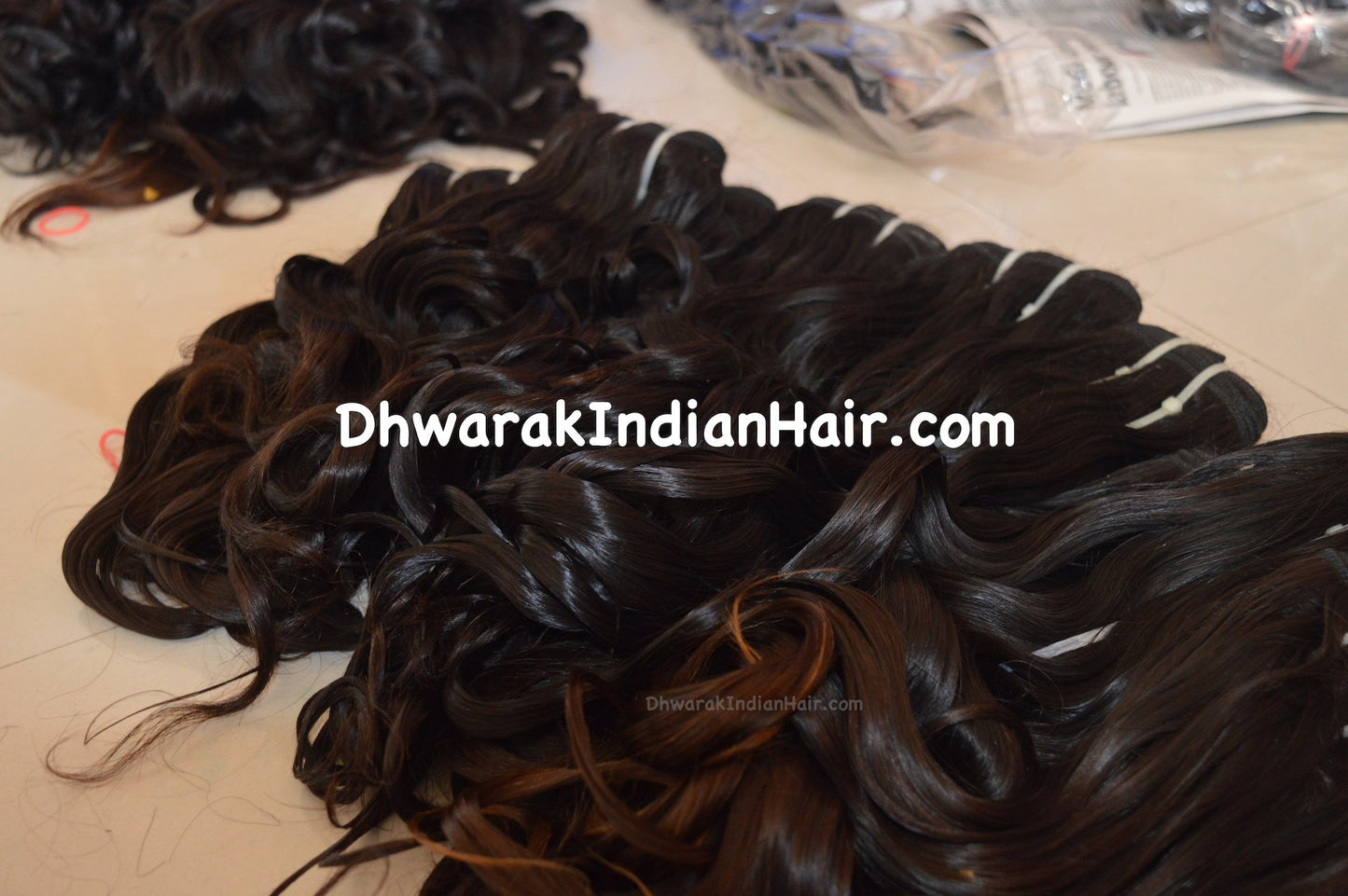
Steaming, when applied to genuine raw temple hair, does not remove cuticles or weaken the strand. Instead, it enhances the texture that already exists in the hair. It helps define waves or curls more consistently and prepares the hair for easier styling and installation.
At Dhwarak Indian Hair, steaming is used only on cuticle-rich raw hair. It is never used to fake quality or mask damage. Steaming cannot create good hair — it can only refine hair that already has integrity.
The problem arises when steaming is used on hair that has already been stripped of its cuticles. In those cases, steaming merely helps maintain an illusion that quickly disappears after washing.
What Steaming Actually Does:
Enhances the existing natural texture
Helps define waves or curls already present in raw hair
Does not remove cuticles
Does not weaken hair structure
At Dhwarak Indian Hair, steaming is used only on real raw temple hair — hair that already has intact cuticles — to elevate texture consistency, not to fake it.
Steaming cannot create quality. It can only refine what already exists.
https://youtube.com/shorts/5XcHrV18Tqg
The Real Problem: Cheap Hair With No Cuticles
Low-cost hair dominating the global market comes from sources that prioritize volume over quality. Because this hair is mixed, inconsistent, and naturally prone to tangling, manufacturers resort to aggressive chemical processes.
The cuticles are completely removed through acid washing. The hair is then hackled, chemically straightened, and coated to provide instant shine and softness. Finally, heavy steaming is used to lock in a uniform appearance.
Initially, this hair can look impressive. However, once the chemical coating fades, the true nature of the hair is revealed. Without cuticles, the strands tangle easily, lose moisture rapidly, and break down after even a single wash. This is why such hair is sold at extremely low prices and cannot be expected to last.
Low-cost hair flooding the global market comes from:
Salon floor collections
Comb waste from villages of India and Bangladesh
Mixed donor hair
Untraceable sources
This hair is not naturally unidirectional.
So manufacturers do the following:
❌ Acid-wash the hair to completely remove cuticles
❌ Hackle and straighten it chemically
❌ Coat it with silicone for instant shine
❌ Steam it aggressively to force a uniform look
The result?
Hair that looks beautiful for a few days — but:
Tangles after the first wash
Loses shine once silicone fades
Mats permanently
Cannot withstand repeated styling
This is why such hair is extremely cheap.
Why Raw Indian Hair Costs More (And Should)
Temple hair carries an inherent value that cannot be replicated artificially. Ethical collection, manual sorting, preservation of cuticles, skilled wefting, and minimal processing all contribute to the final cost of authentic raw hair.
When you invest in real raw Indian hair, you are not paying for surface-level shine. You are paying for structure, performance, and longevity. One set of genuine raw hair bundles can outlast multiple purchases of cheap processed hair, making it a smarter long-term investment.

👉 View the complete raw hair bundle range: https://dhwarakindianhair.com/collections/raw-hair-bundles
Temple hair has an inherent cost:
-
Ethical collection - Souring cost is too high
-
Manual sorting
-
Cuticle preservation
-
Skilled wefting
-
Minimal processing
You are not paying for shine. You are paying for structure, longevity, and performance.
One bundle of real raw hair can outlast multiple sets of cheap hair.
How to Identify Real Raw Hair vs Cheap Hair
Real raw Indian hair may not look overly perfect straight out of the pack, and that is exactly what makes it authentic. It may show slight natural frizz when air-dried, and its texture will always return after washing. Over time, the hair softens, adapts, and continues to perform well with proper care.
Cheap processed hair, on the other hand, often appears unnaturally flawless at first. After washing, it loses its coating, tangles easily, and fails to regain its original texture. The difference becomes undeniable with use.
Real Raw Indian Hair:
✔ Slight natural frizz when air-dried ✔ Texture returns after washing ✔ Handles heat and color well ✔ Softens over time ✔ Lasts for years with care
Cheap Processed Hair:
✖ Perfectly flat out of the pack ✖ Feels overly silky ✖ Loses texture after washing ✖ Tangles easily ✖ Short lifespan
If hair looks too perfect, it probably has no cuticles.
Why Professionals Choose Dhwarak Indian Hair
Dhwarak Indian Hair is not a trader or a reseller. We are a direct Indian manufacturer working close to the source of temple hair. This proximity allows us to maintain traceability, preserve cuticle integrity, and deliver consistent quality across our raw hair bundles.
This is why professional stylists, salons, and wholesale buyers across international markets rely on Dhwarak Indian Hair for authentic raw Indian temple hair.
Traceable raw hair sourcing
Cuticle-rich bundles
Ethical practices
Consistent quality
This is why salons, stylists, and wholesale buyers across global markets rely on our raw hair.
Dhwarak Indian Hair
Kit de mélange pour vendeurs de cheveux en gros
Partager
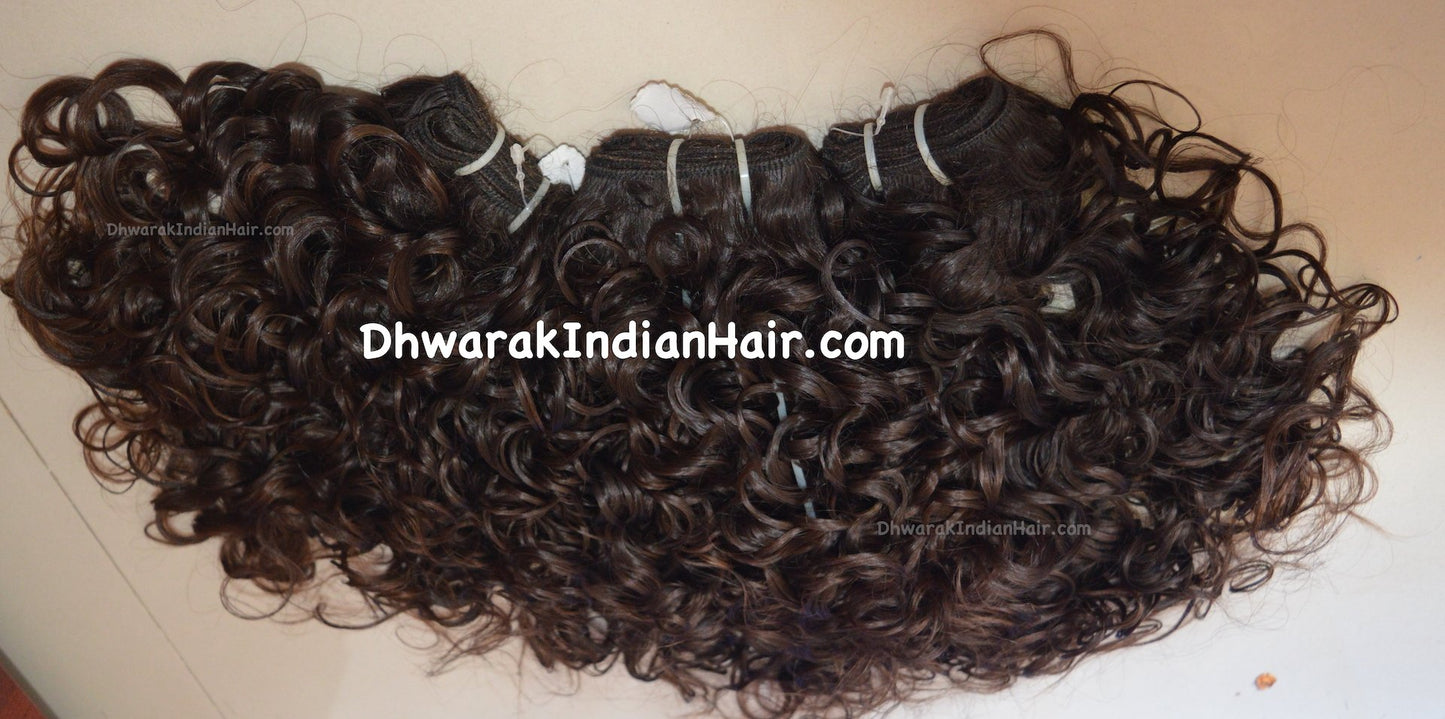
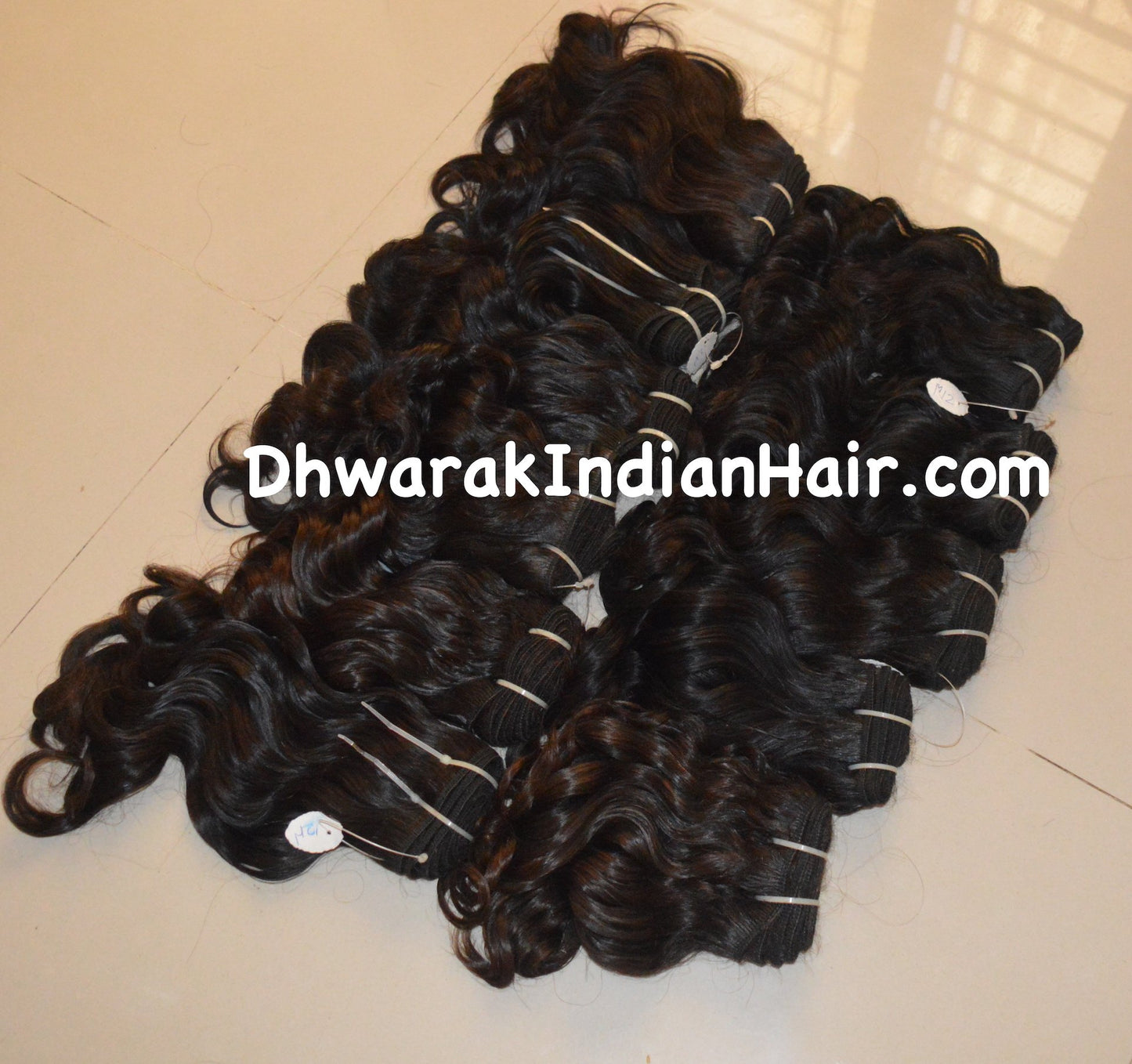
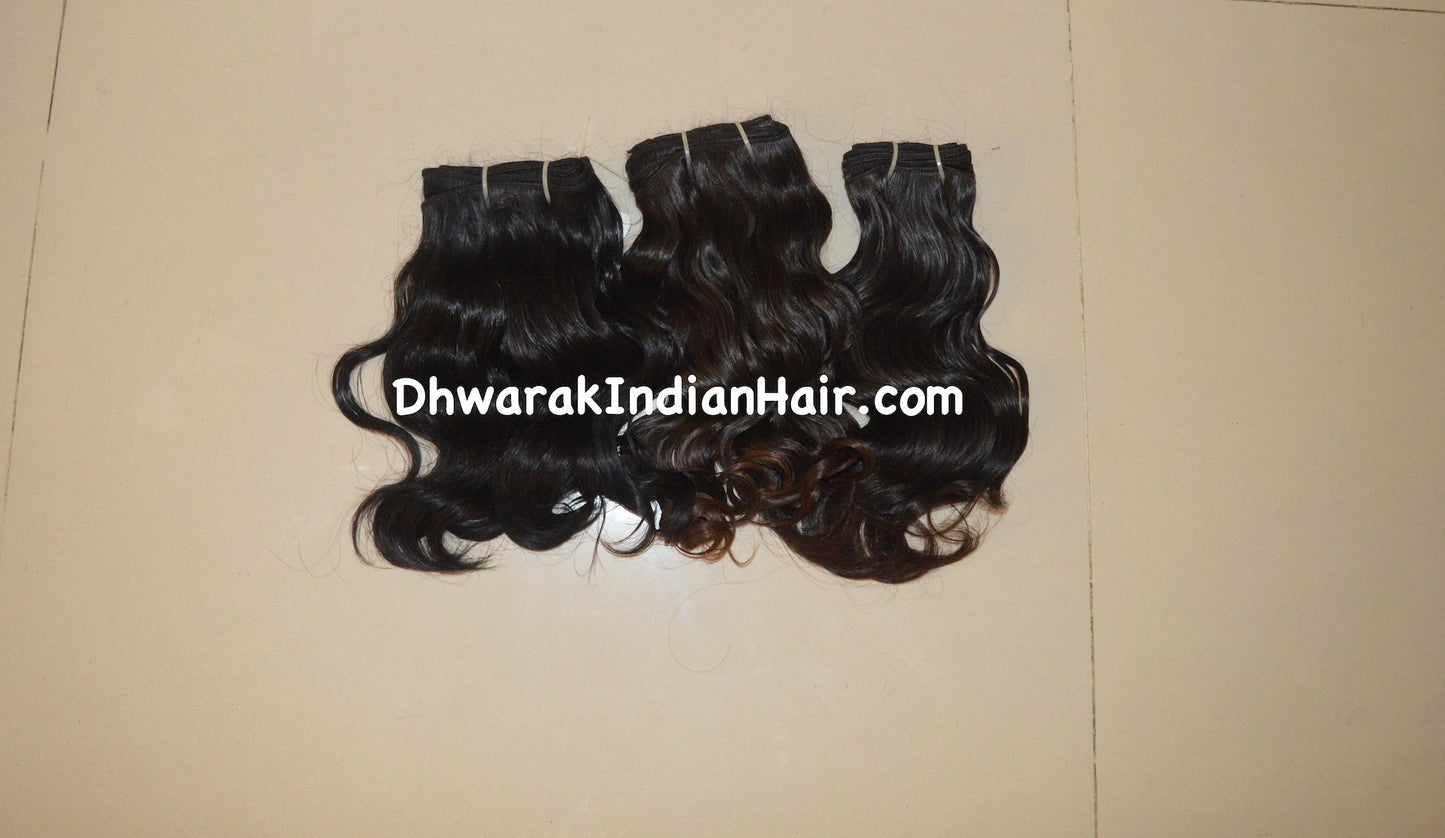
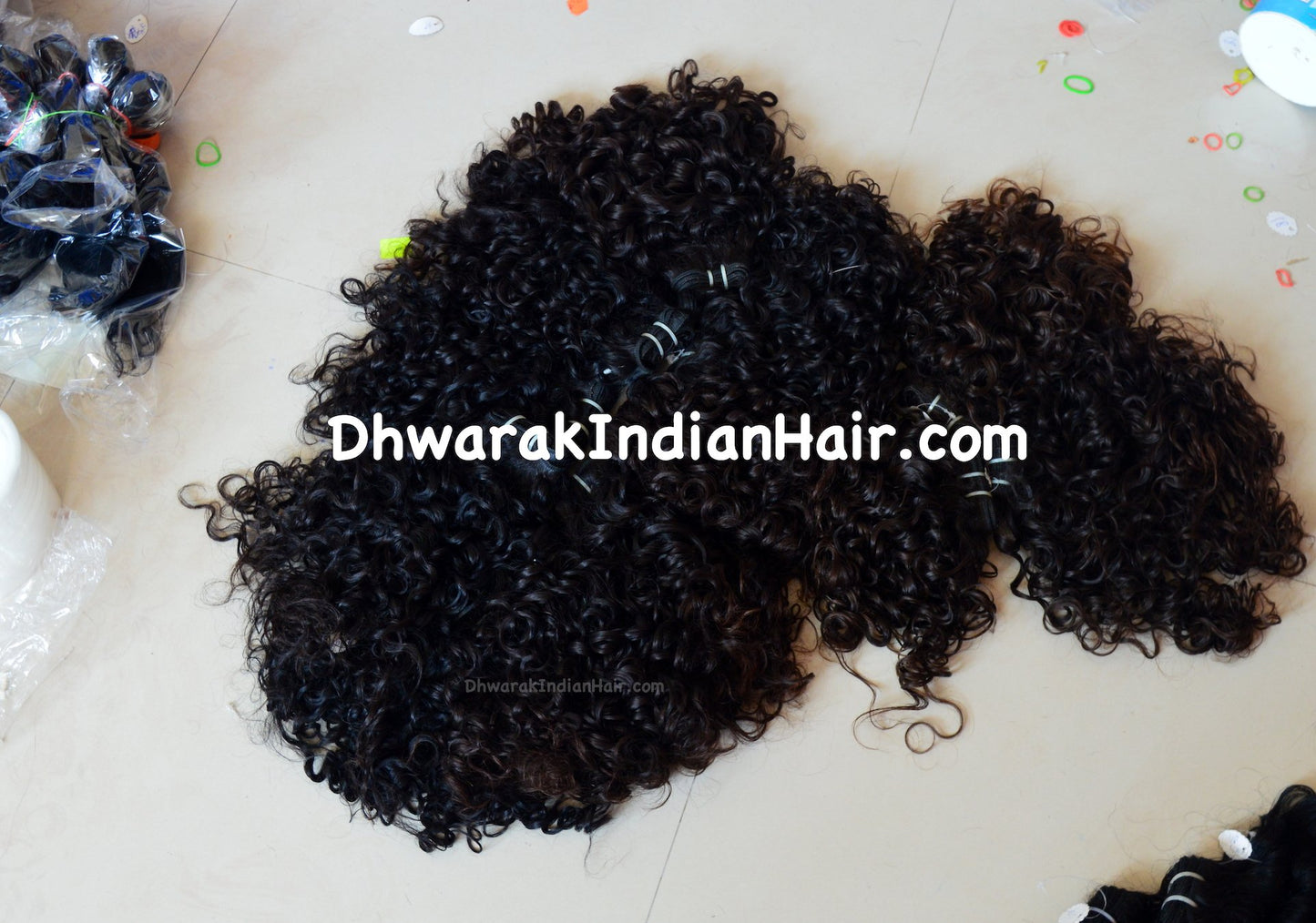
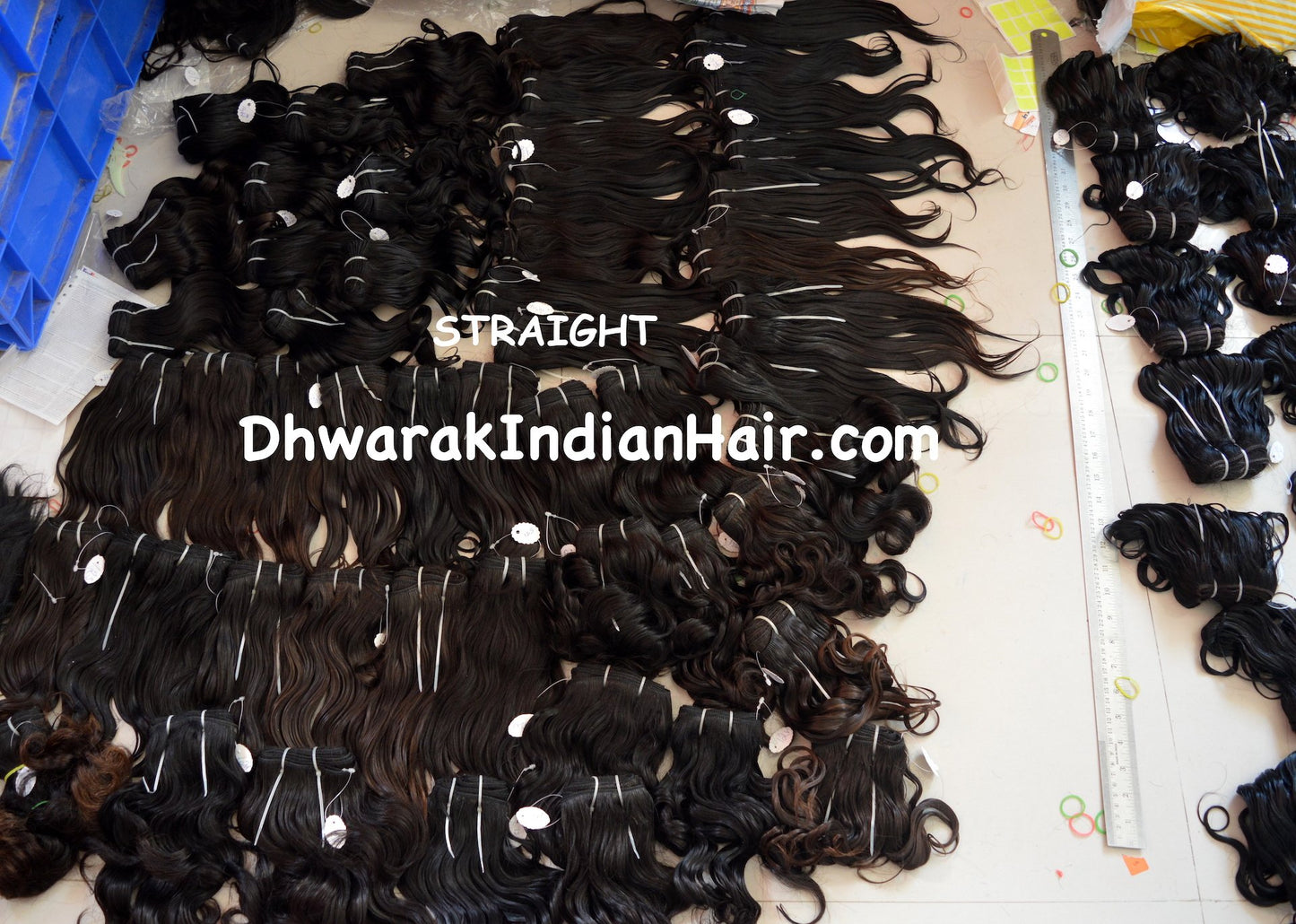
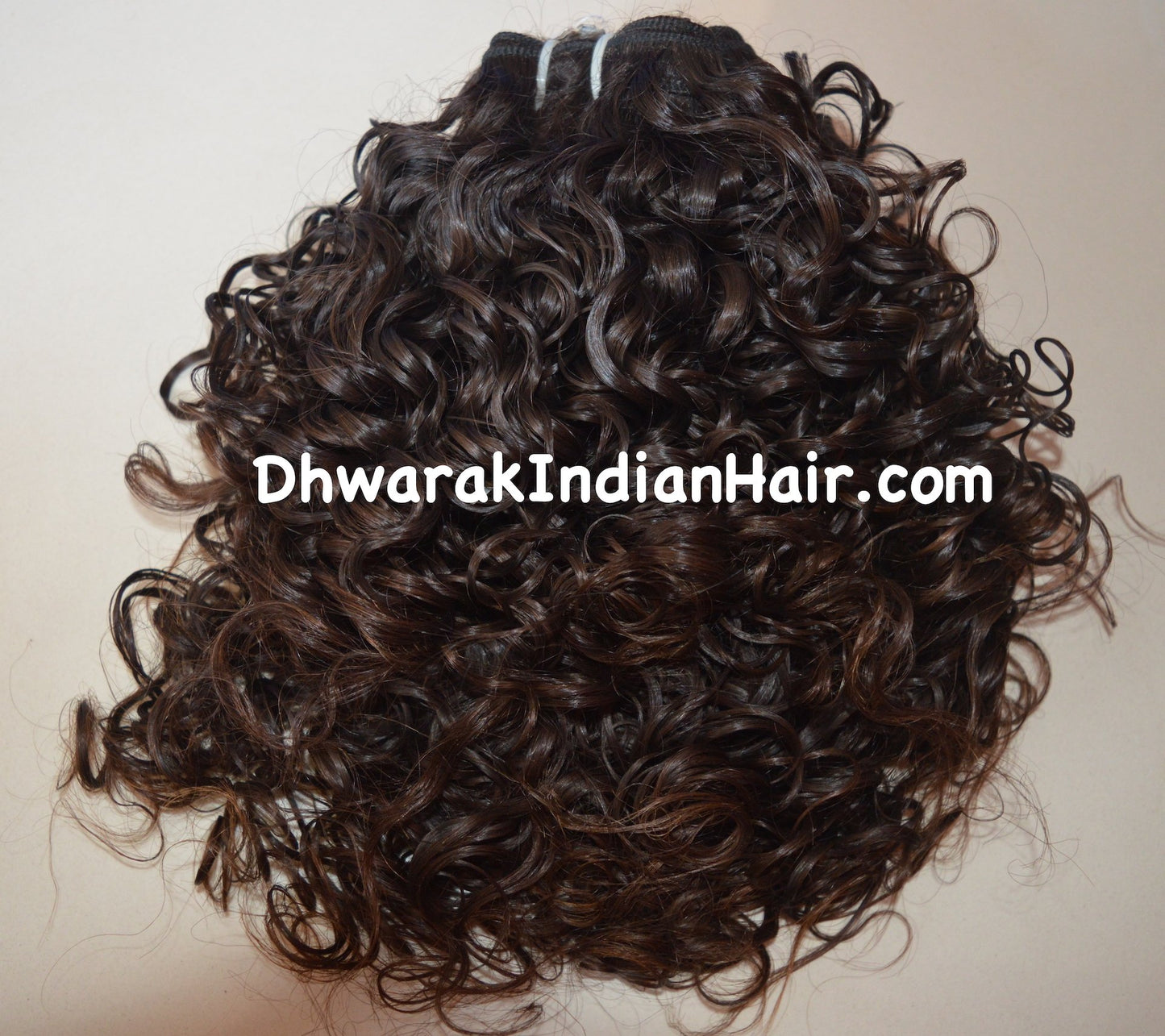
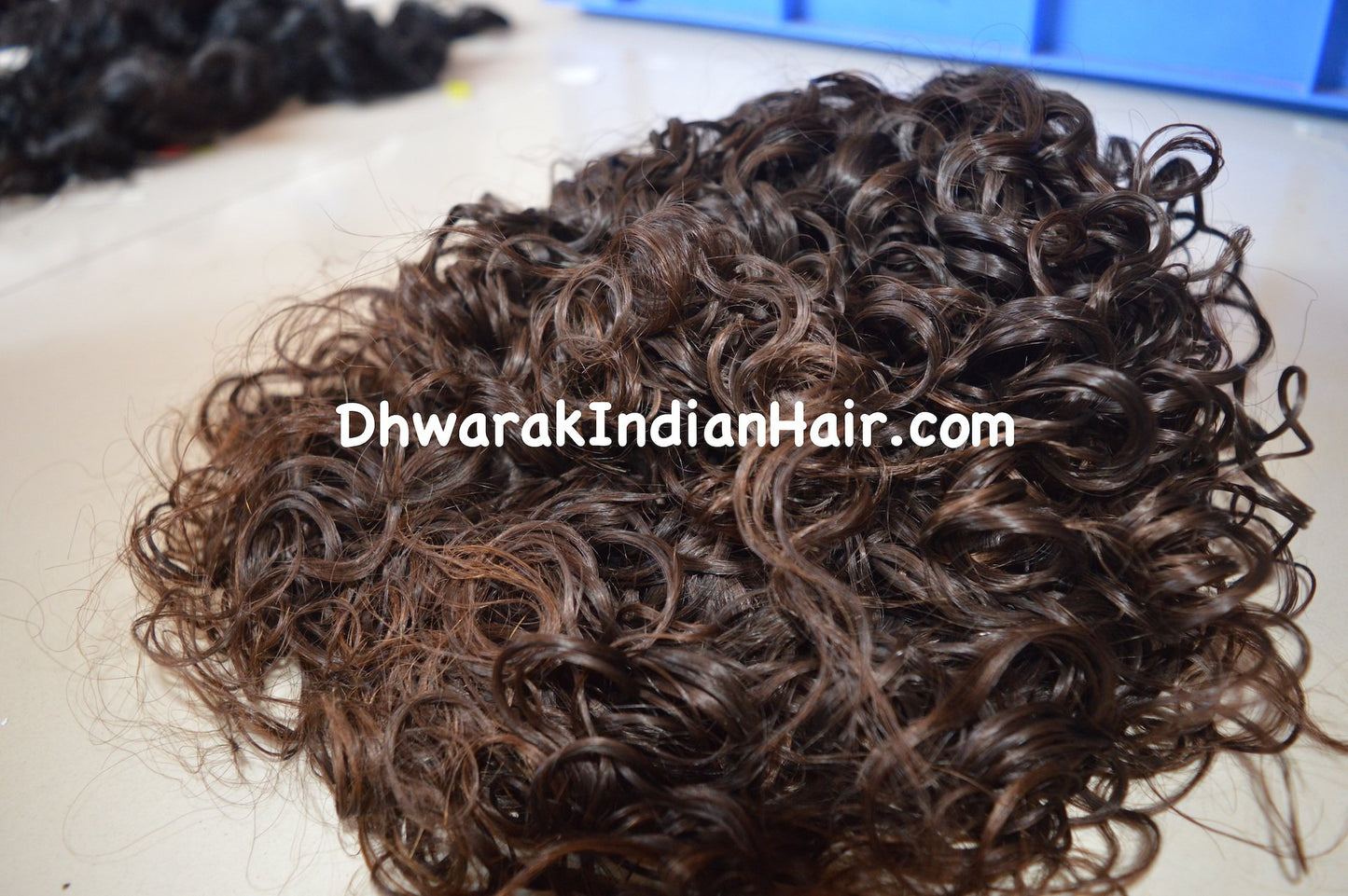
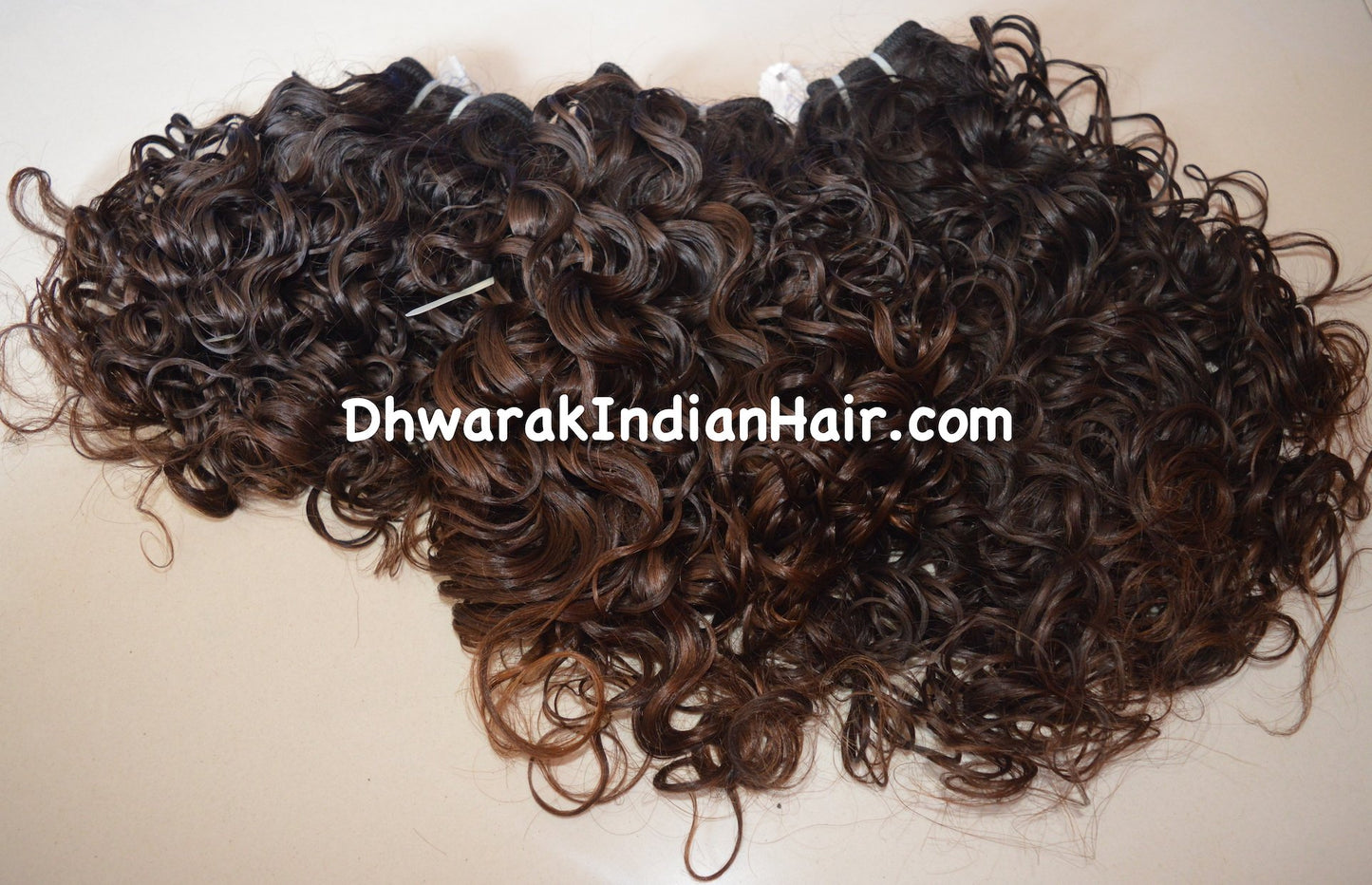
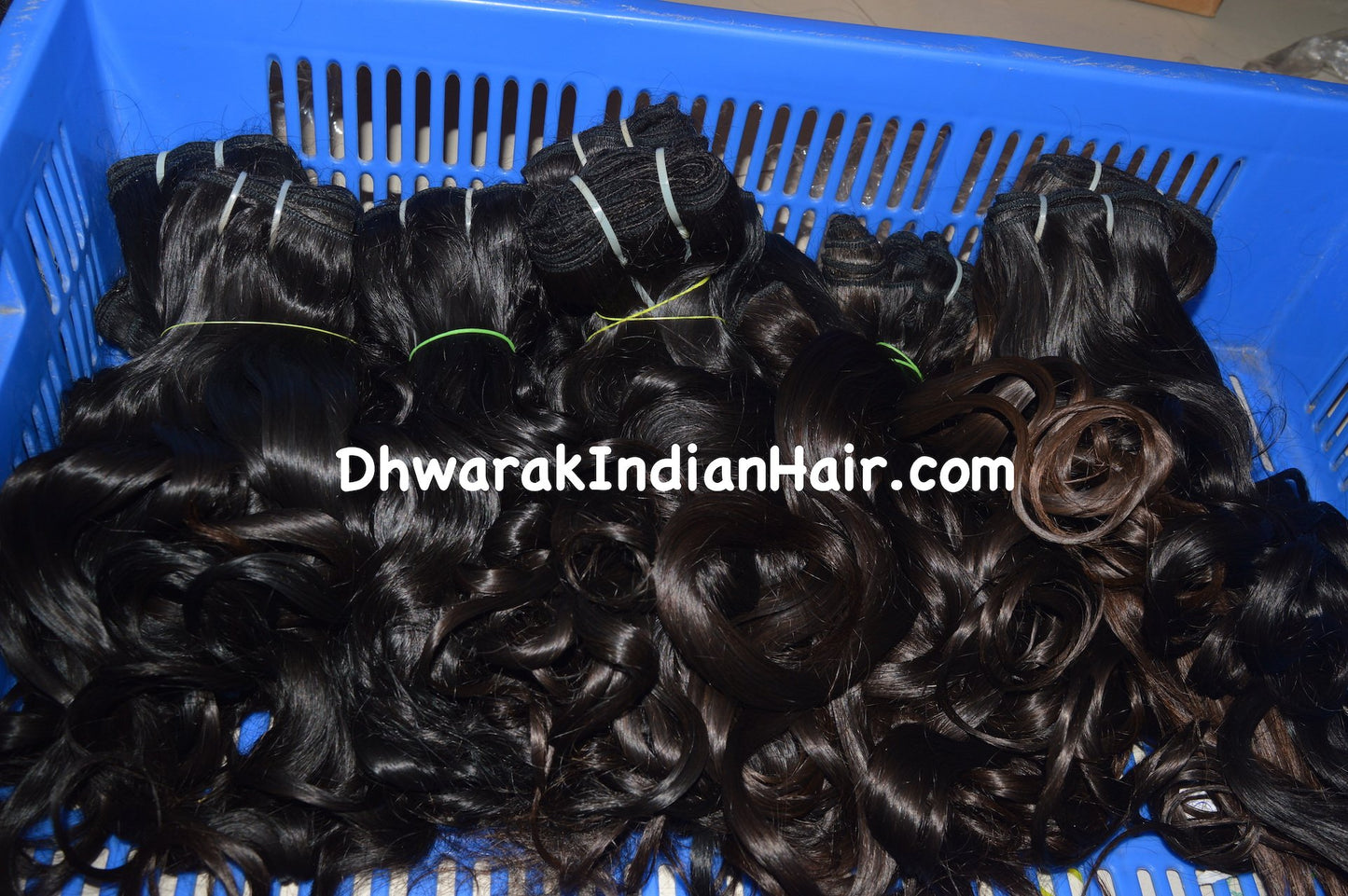
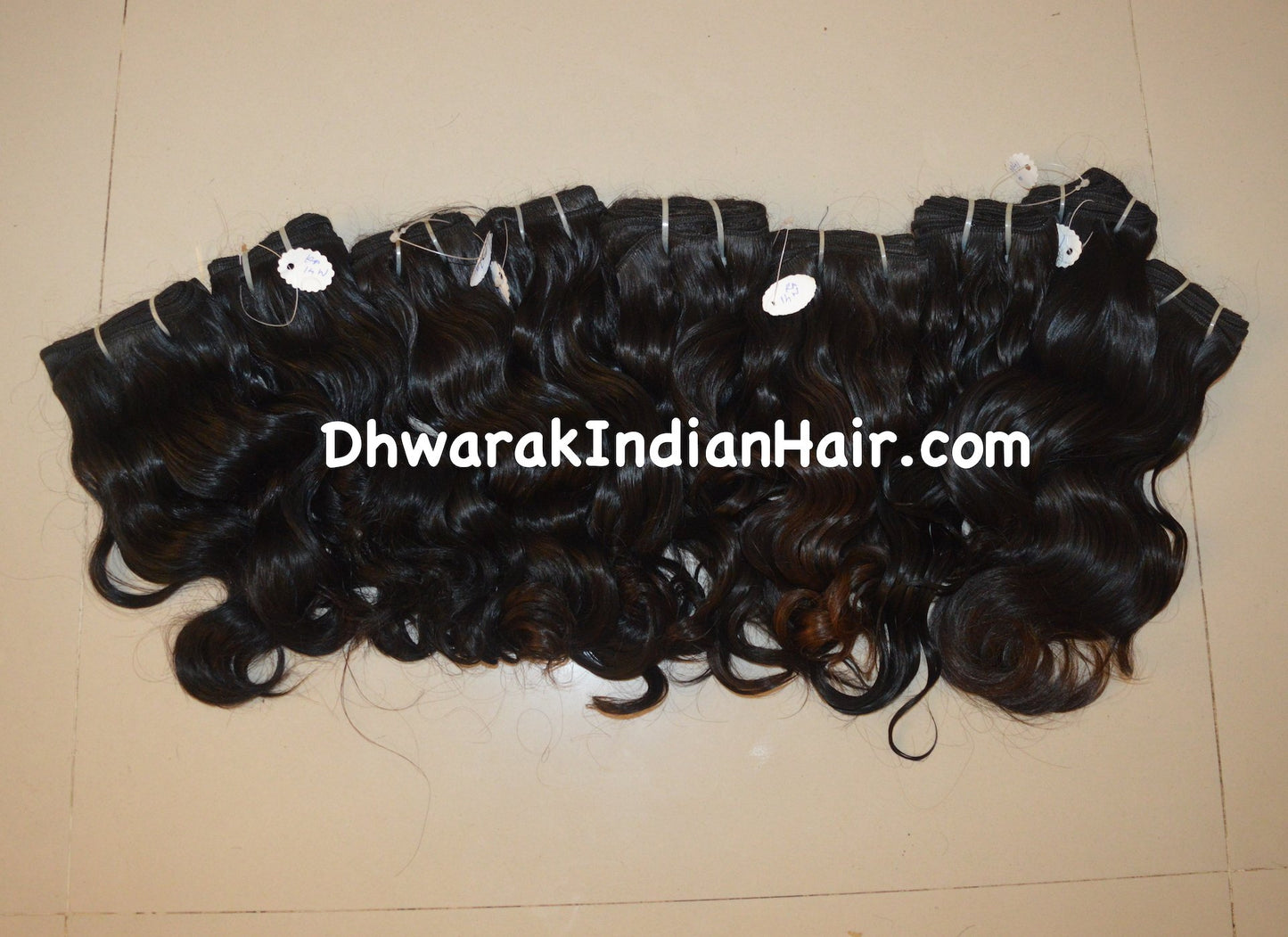
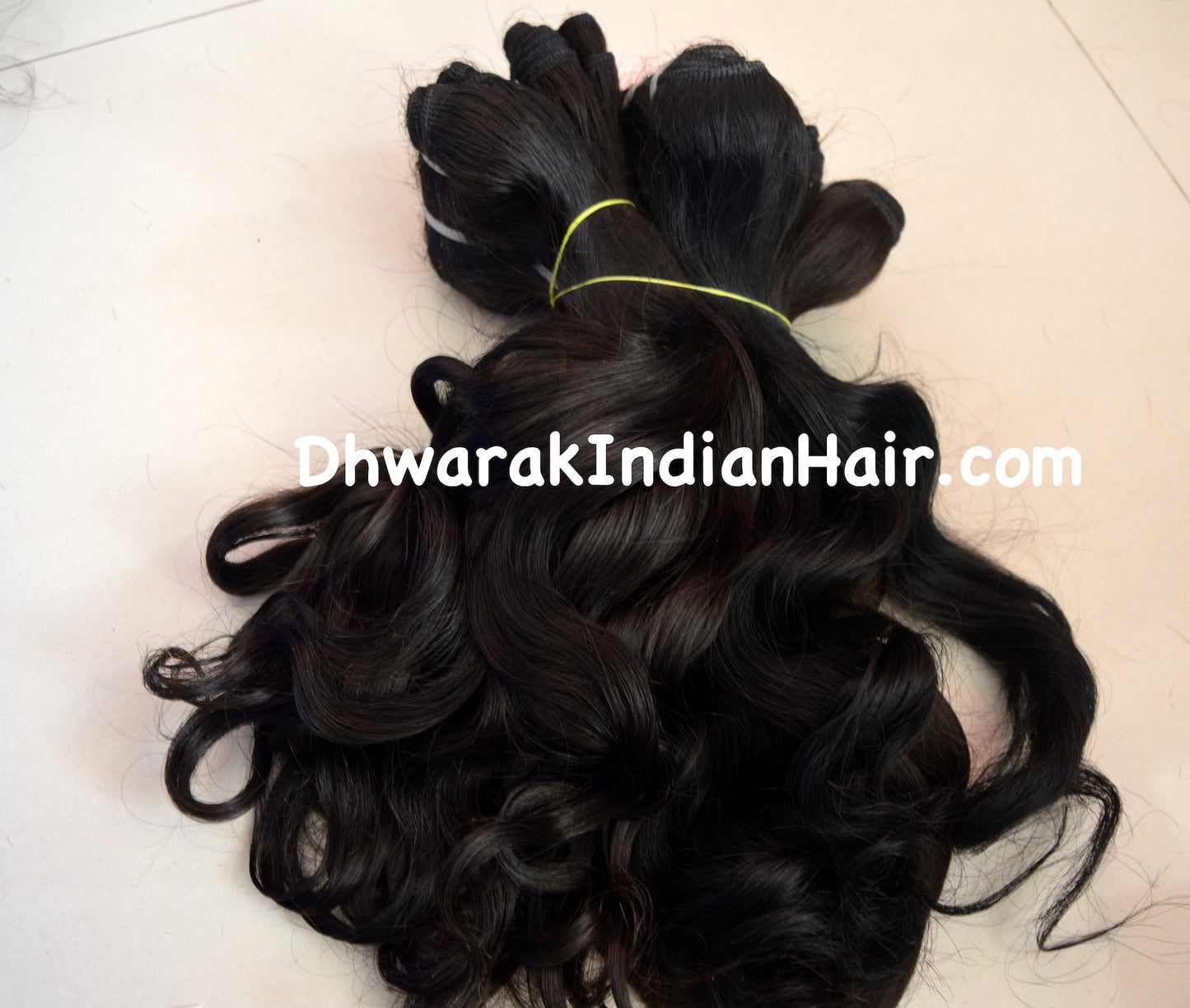
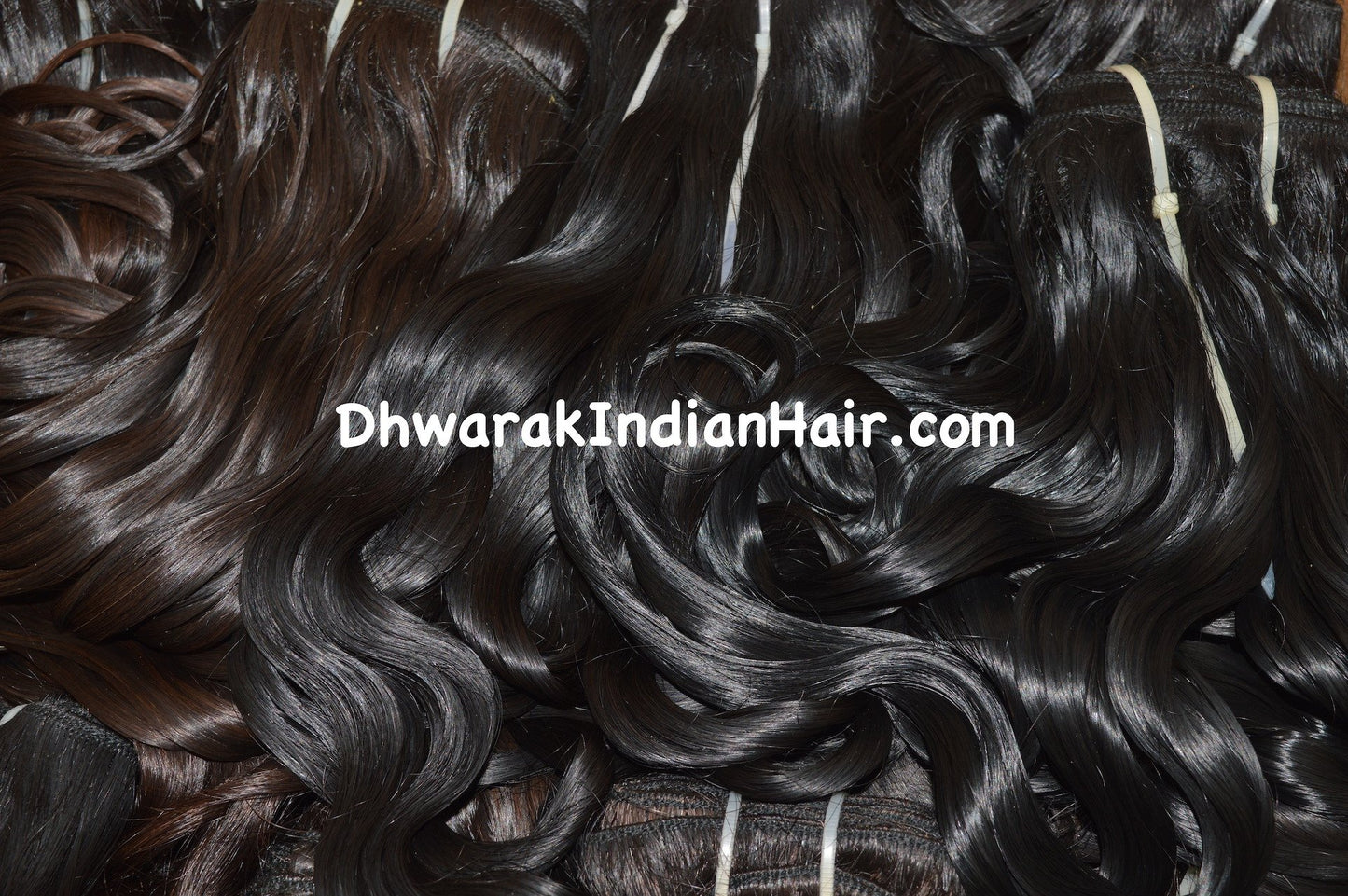
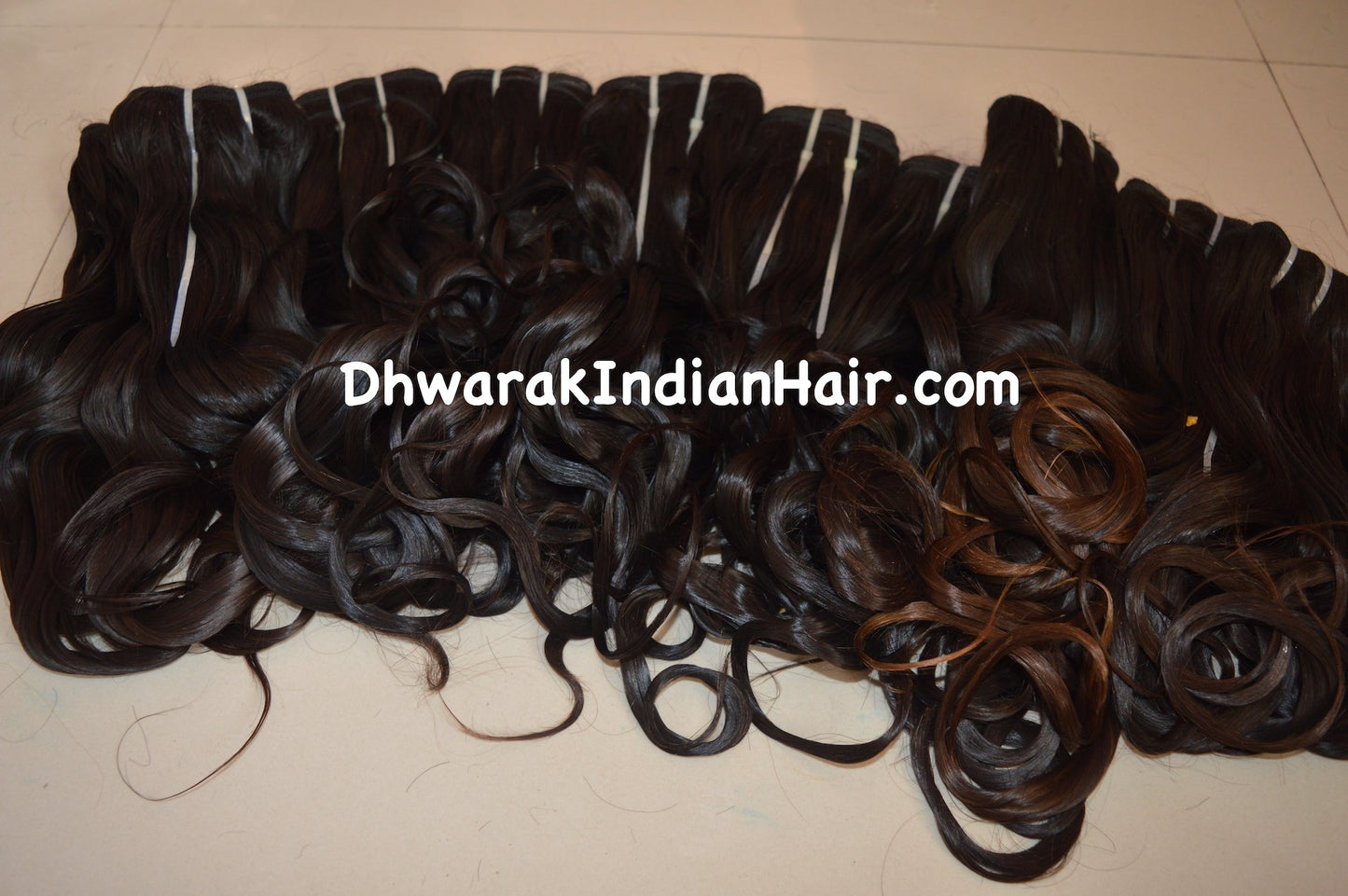
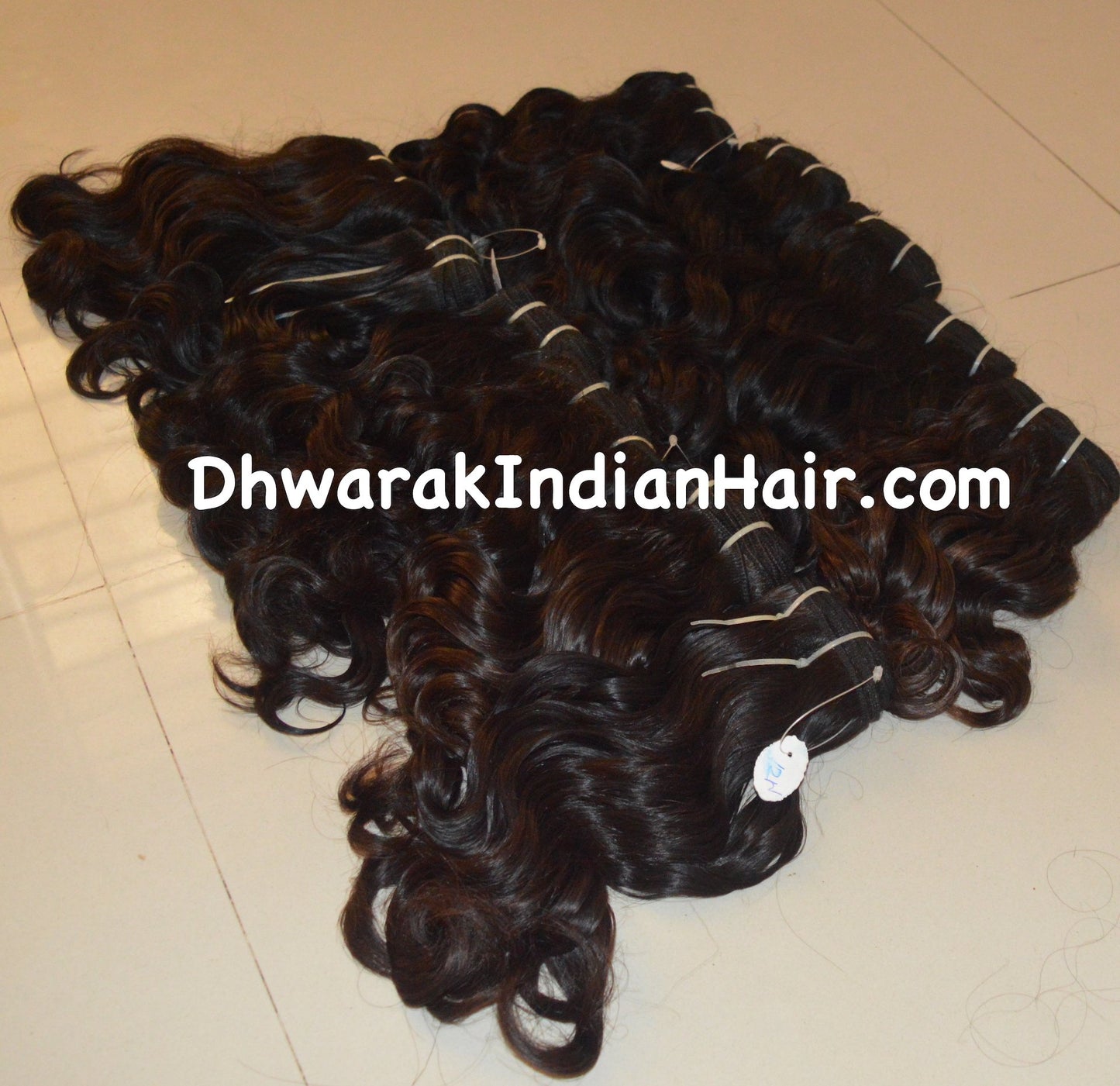
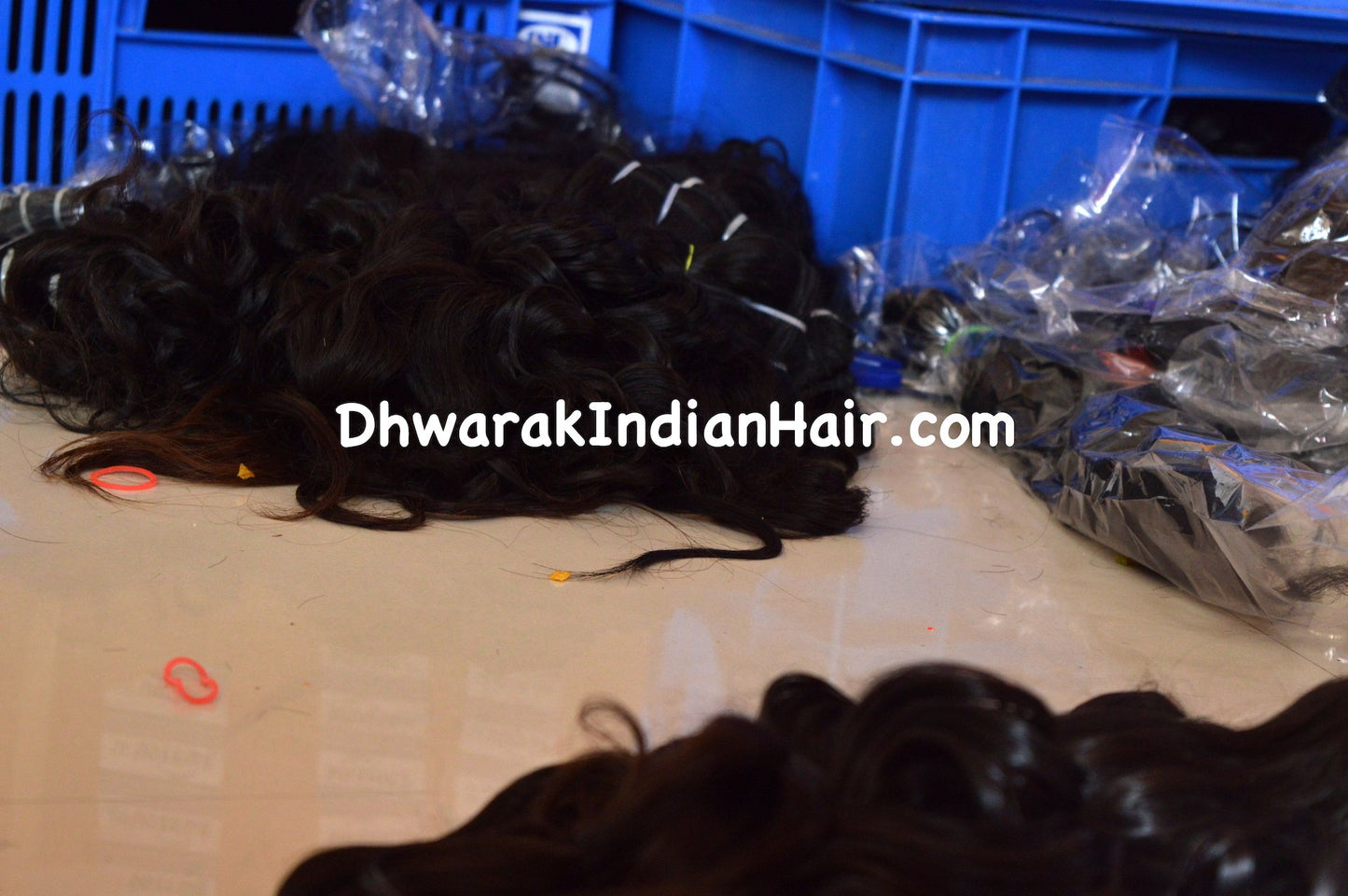
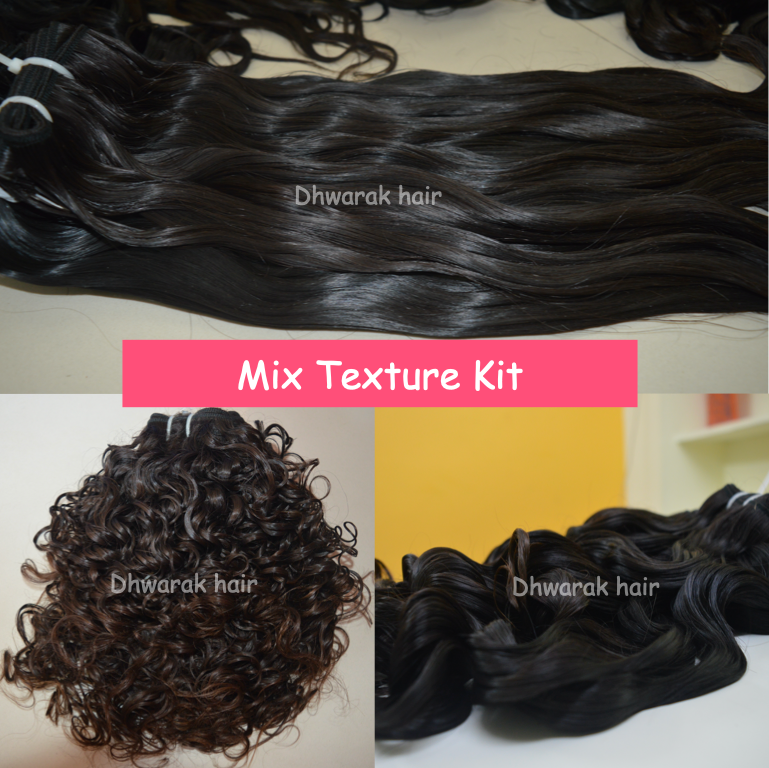
Lots de cheveux indiens – Achetez en ligne
-
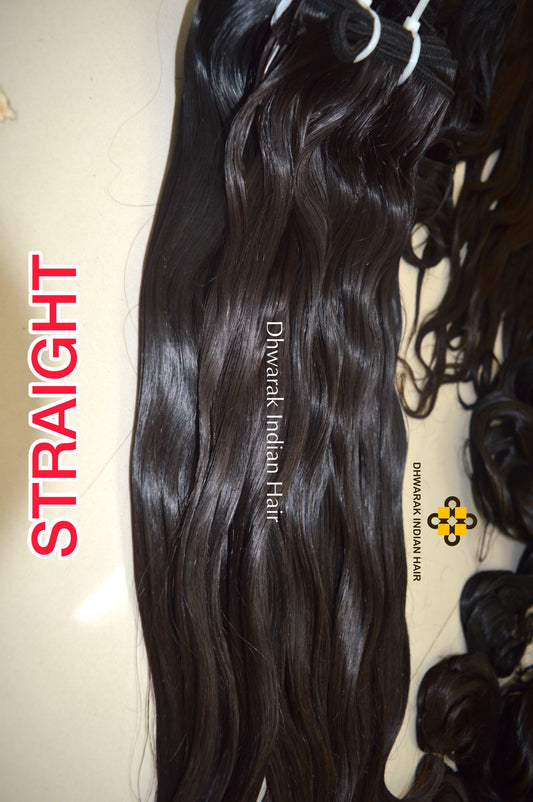
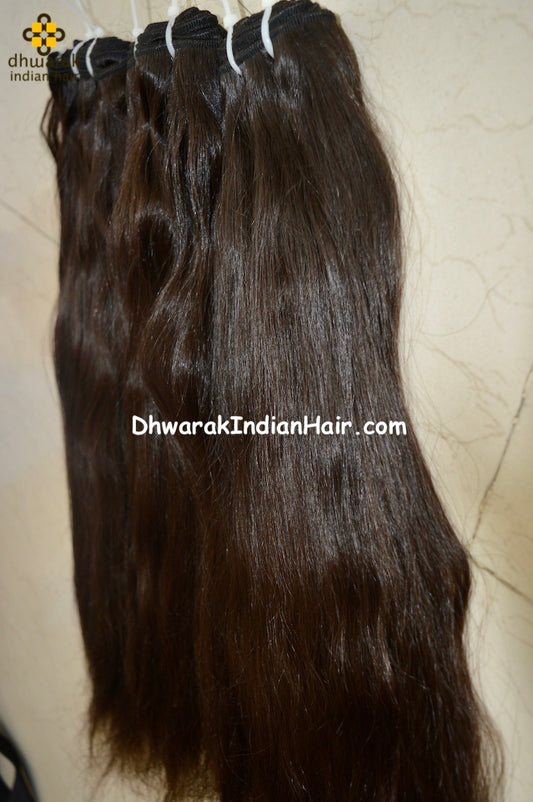
Paquet de cheveux indiens droits et bruts
Prix habituel À partir de $69.99 USDPrix habituelPrix unitaire par$96.00 USDPrix promotionnel À partir de $69.99 USDPromotion -
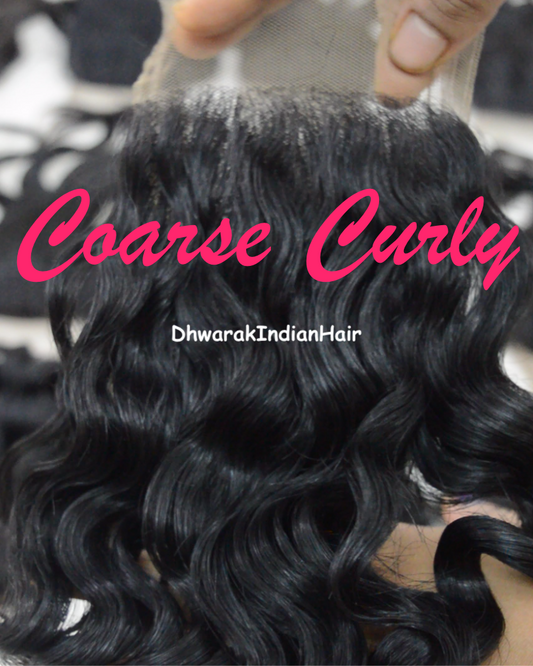
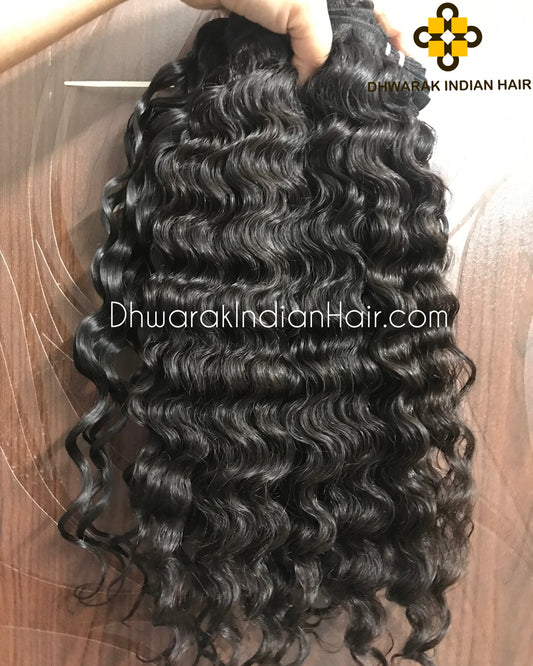
Paquet de cheveux bouclés indiens bruts
Prix habituel À partir de $99.99 USDPrix habituelPrix unitaire par -
 Promotion
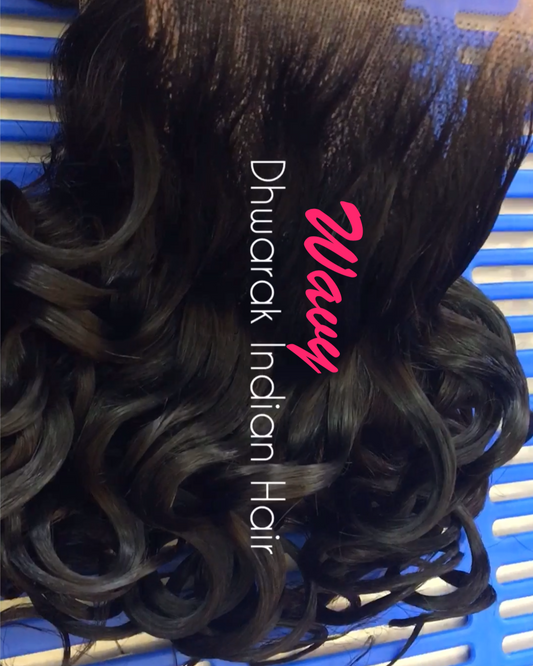
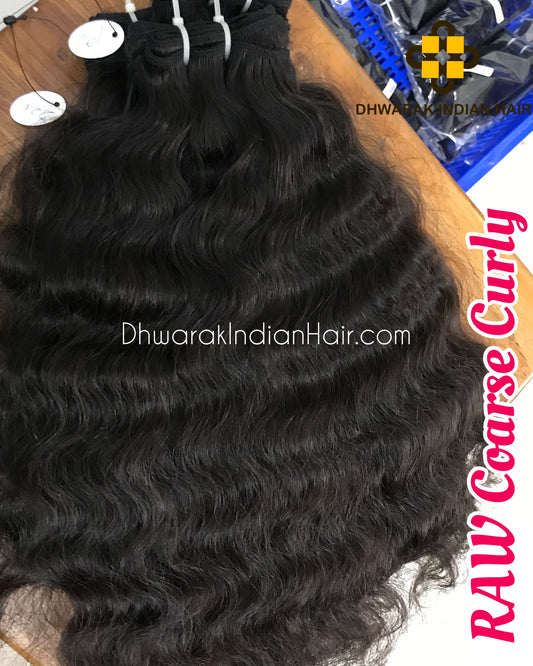
Paquet ondulé indien brut
Prix habituel À partir de $69.99 USDPrix habituelPrix unitaire par$96.00 USDPrix promotionnel À partir de $69.99 USDPromotion -
 Promotion
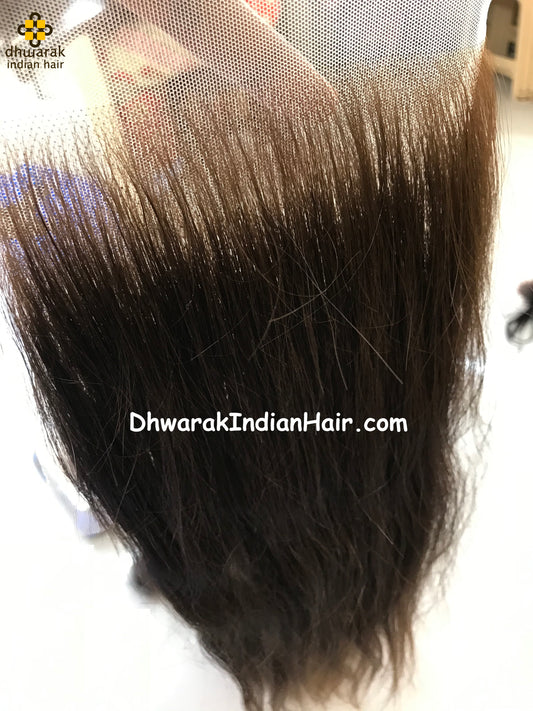
Fermeture en dentelle HD 4x4
Prix habituel À partir de $84.00 USDPrix habituelPrix unitaire par$93.00 USDPrix promotionnel À partir de $84.00 USDPromotion -
Paquet de cheveux bouclés indiens biologiques crus
Prix habituel À partir de $99.99 USDPrix habituelPrix unitaire par -
 Promotion
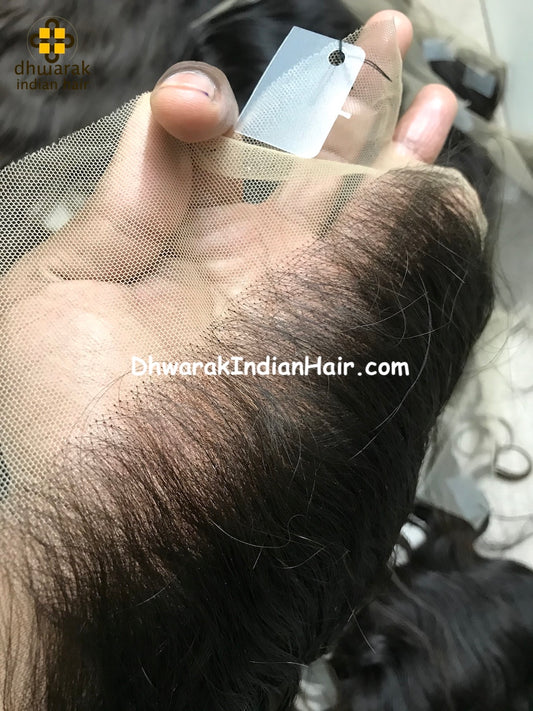
Fermetures en dentelle HD 6x6
Prix habituel À partir de $138.00 USDPrix habituelPrix unitaire par$141.00 USDPrix promotionnel À partir de $138.00 USDPromotion
Vendeur de cheveux en gros
-
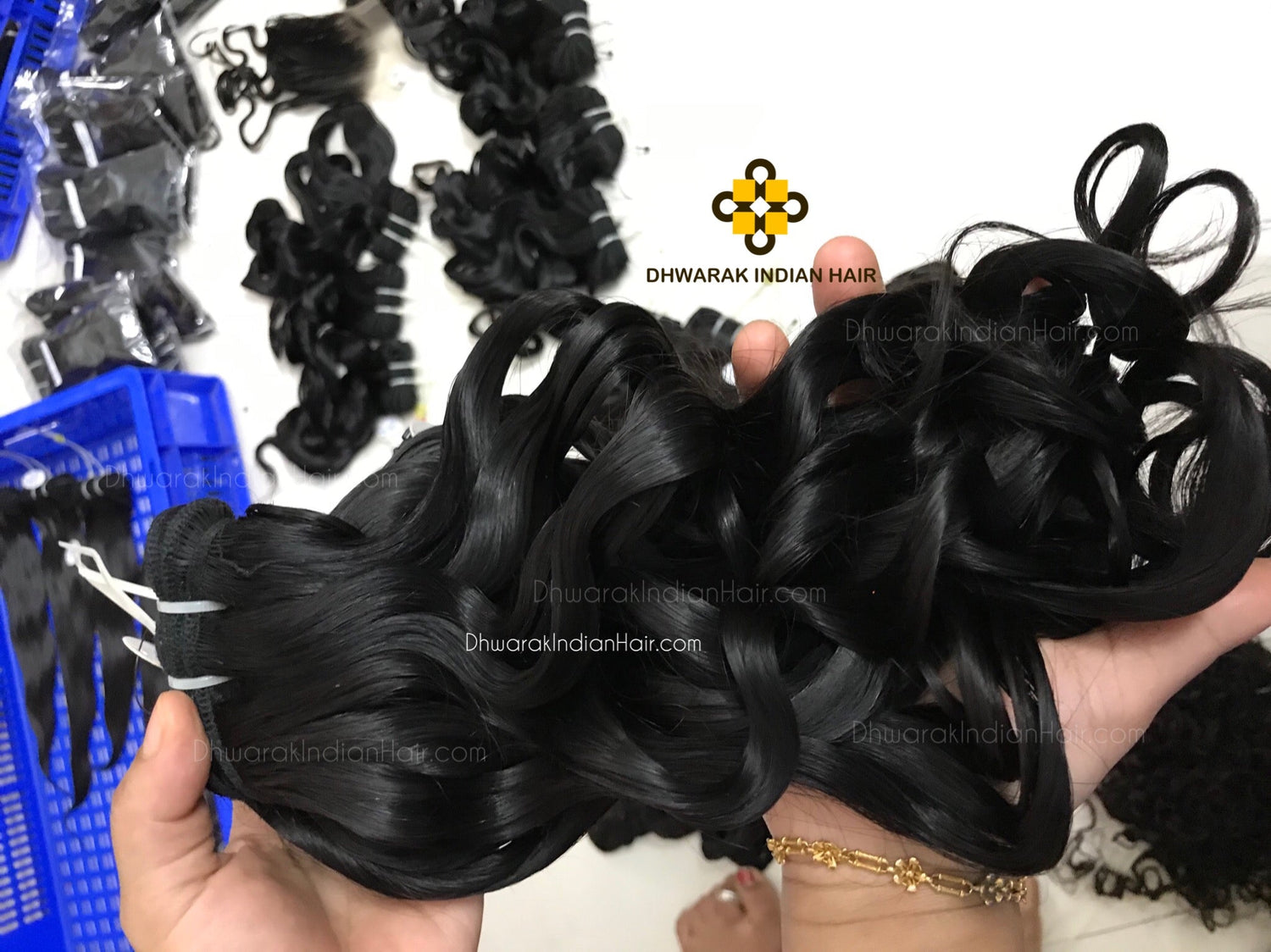
Paquets de cheveux indiens bruts
Lots de cheveux indiens bruts d'origine éthique Nous sommes l'un des plus...
-
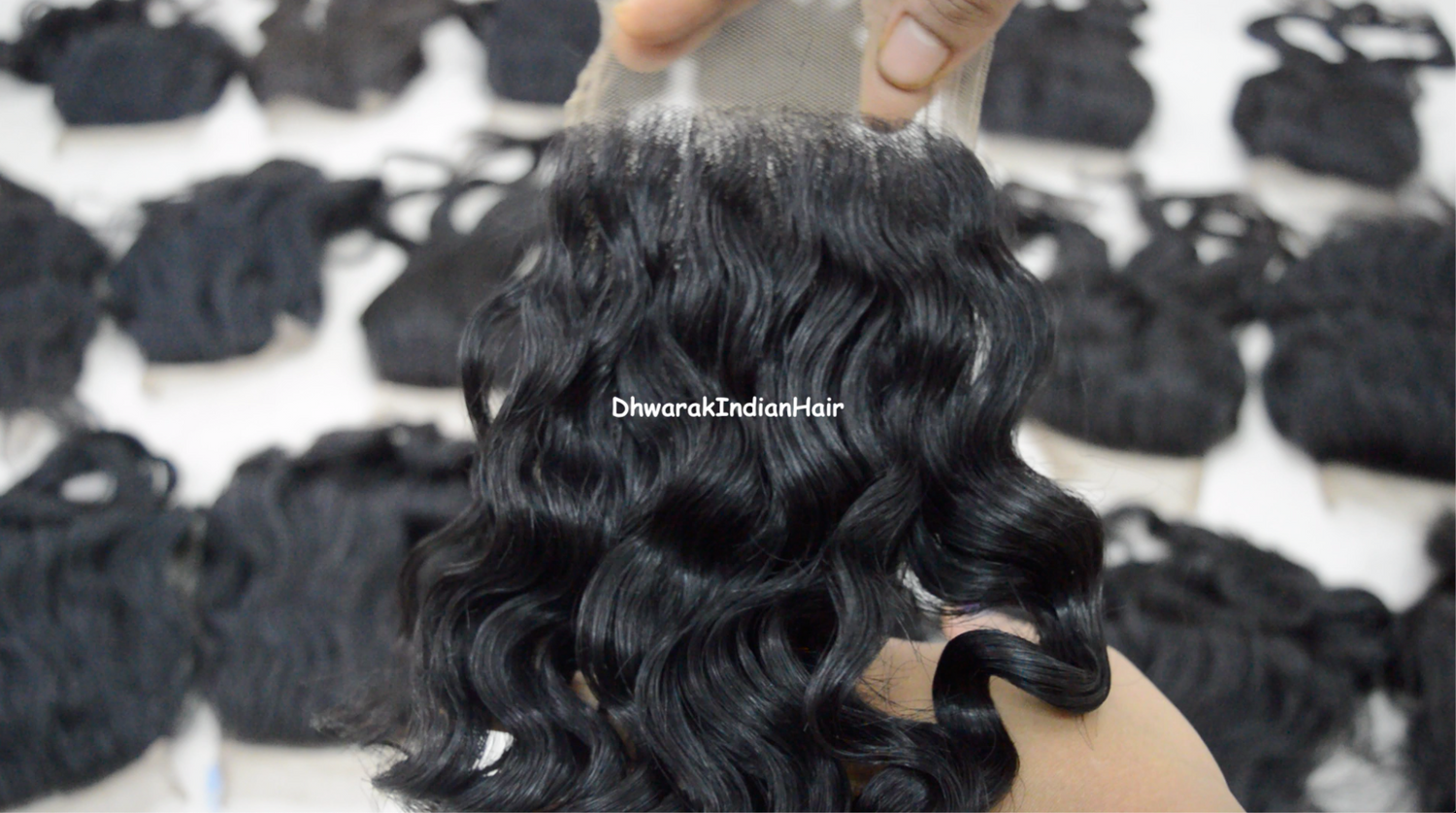
Fermeture à lacets
Meilleure fermeture en dentelle transparente HAUTE DÉFINITION 6x6 vs 4x4 Les fermetures...
-
Offres groupées de cheveux indiens bruts
Offres de lots de cheveux - Usine de vente en gros de...
