The Invisible Blend: Why Raw Indian Hair Makes a Difference
When choosing hair extensions, most buyers naturally pay attention to length, volume, colour and texture. But there is another factor that deserves just as much attention: the original condition of the hair itself.
A beautiful installation is not simply about how well extensions are attached. It is also about how naturally the added hair sits alongside your own hair, how it moves, how it responds to styling and whether its texture complements your natural appearance.
This is where naturally preserved raw Indian hair deserves a closer look.
Hair that has not undergone chemical processing, acid treatment or permanent chemical texturising retains characteristics that are naturally present in the original hair. Its texture is not artificially recreated to achieve a particular appearance. Its natural movement, pattern and individual characteristics remain part of the finished product.
For someone looking for hair extensions that blend naturally, understanding this distinction can make a real difference when choosing the right hair.

A Natural Blend Begins With the Hair, Not the Installation
It is easy to assume that a natural-looking hair extension is primarily the result of a good installation. While professional installation certainly matters, the hair itself plays an equally important role.
Consider two extensions that appear similar in a product photograph. Both may have the same length, colour and general curl pattern. However, the way the hair behaves can be quite different depending on how it was prepared.
Some commercially available hair textures are created through chemical treatments or permanent texturising processes. These processes are used to achieve a particular wave or curl pattern, sometimes across hair that did not originally have that texture.
Naturally preserved hair takes a different approach.
Its original texture is retained rather than chemically recreated. This means the hair carries its own natural characteristics, including variations in movement, pattern and appearance.
When selecting extensions, this matters because a natural-looking blend depends on more than matching a photograph. The hair needs to complement the wearer's own texture and styling preferences.

Why Original Hair Texture Matters
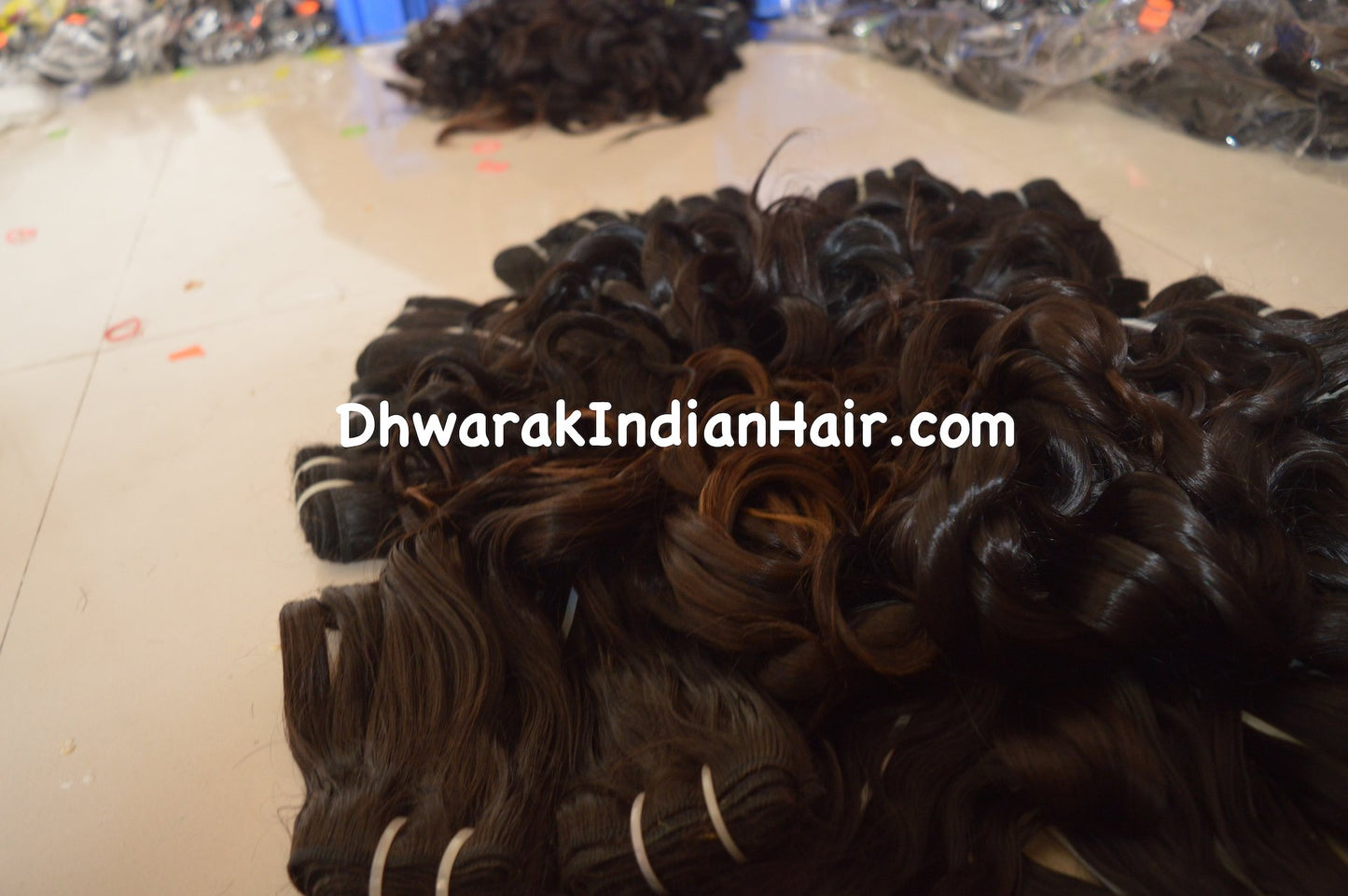
Natural human hair does not come with identical patterns. Straight hair can have slight bends and body. Wavy hair can have different wave formations. Curly hair can vary in curl diameter, definition and spring.
These characteristics are part of the hair's original identity.
When a texture is artificially created through permanent chemical processing, the finished pattern is no longer simply the donor's original texture. It has been modified to achieve a particular result.
Naturally preserved raw hair offers something different.
Because the original texture remains intact, the hair behaves according to its natural characteristics. It can be washed, conditioned and styled, and its original texture can return when temporary styling changes are removed, provided the hair has not been permanently altered through subsequent treatments.
This is particularly relevant for customers who want extensions that complement their existing hair rather than introduce a completely different texture.
For a closer look at how naturally occurring differences affect individual bundles, read our guide to Understanding Natural Variation in Raw Indian Hair.

The Difference Between Natural Texture and Artificially Created Texture
Not every hair extension described as curly, wavy or straight has arrived at that appearance in the same way.
Understanding how a texture is achieved is therefore an important part of choosing hair extensions.
Naturally preserved raw hair
Genuine raw hair retains its original texture without chemical alteration or permanent texturising.
The hair is not chemically permed to create curls or waves. Its natural characteristics are preserved during preparation.
This also means that natural variation is to be expected. Two bundles belonging to the same general texture category may have slightly different patterns or movement.
For buyers who value naturally occurring texture, this is an important distinction.
Chemically texturised hair
Some extensions undergo chemical processing to create or modify a particular texture.
A naturally straight or wavy hair source, for example, may be permanently processed to produce a curl pattern that was not originally present.
The resulting appearance may be uniform, but the texture has been artificially created.
This does not mean every processed hair product is unsuitable. It simply means buyers should understand what they are purchasing and how the texture was achieved.
Steam-refined textures
There is also a difference between chemical texturising and controlled water-and-steam processing.
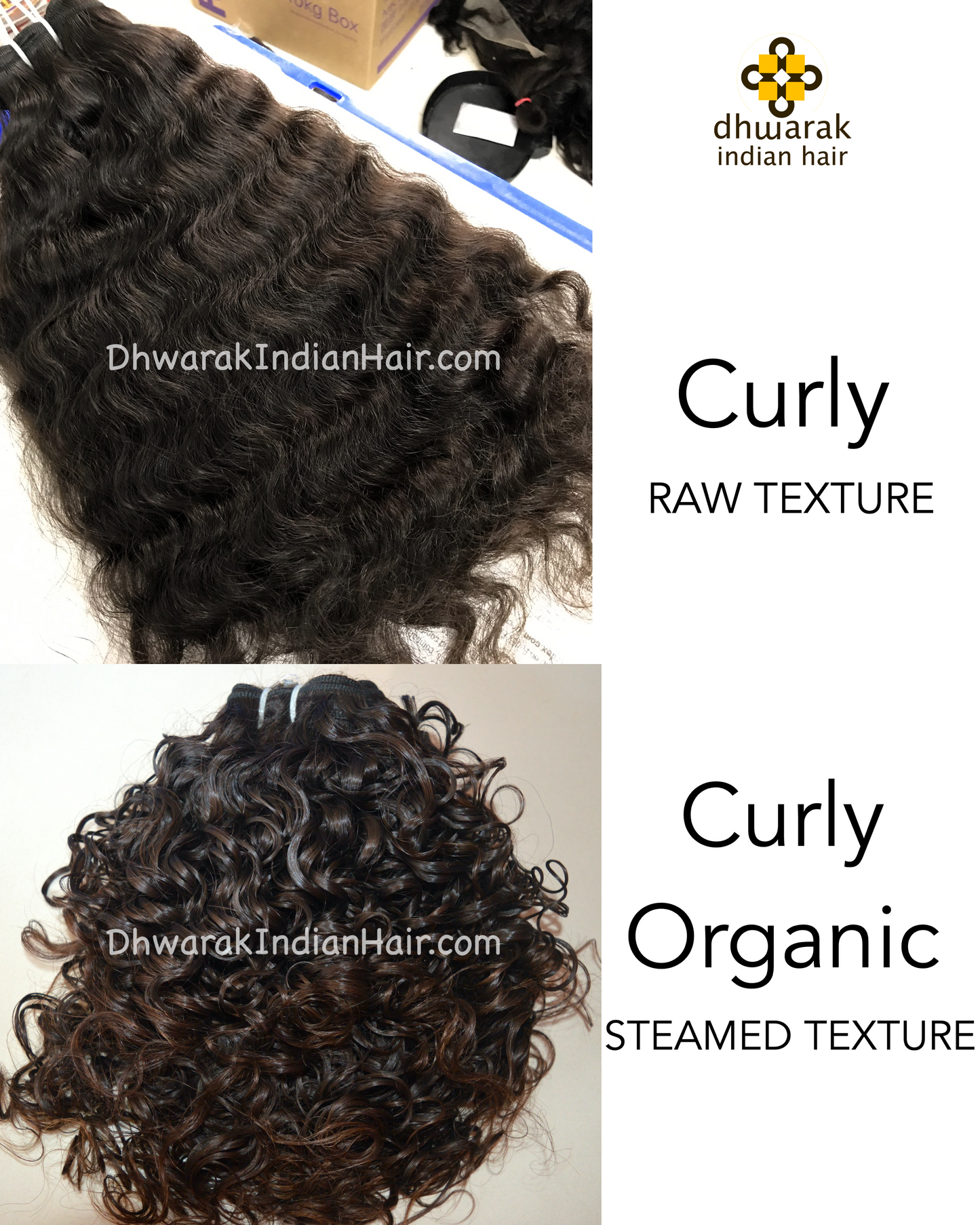
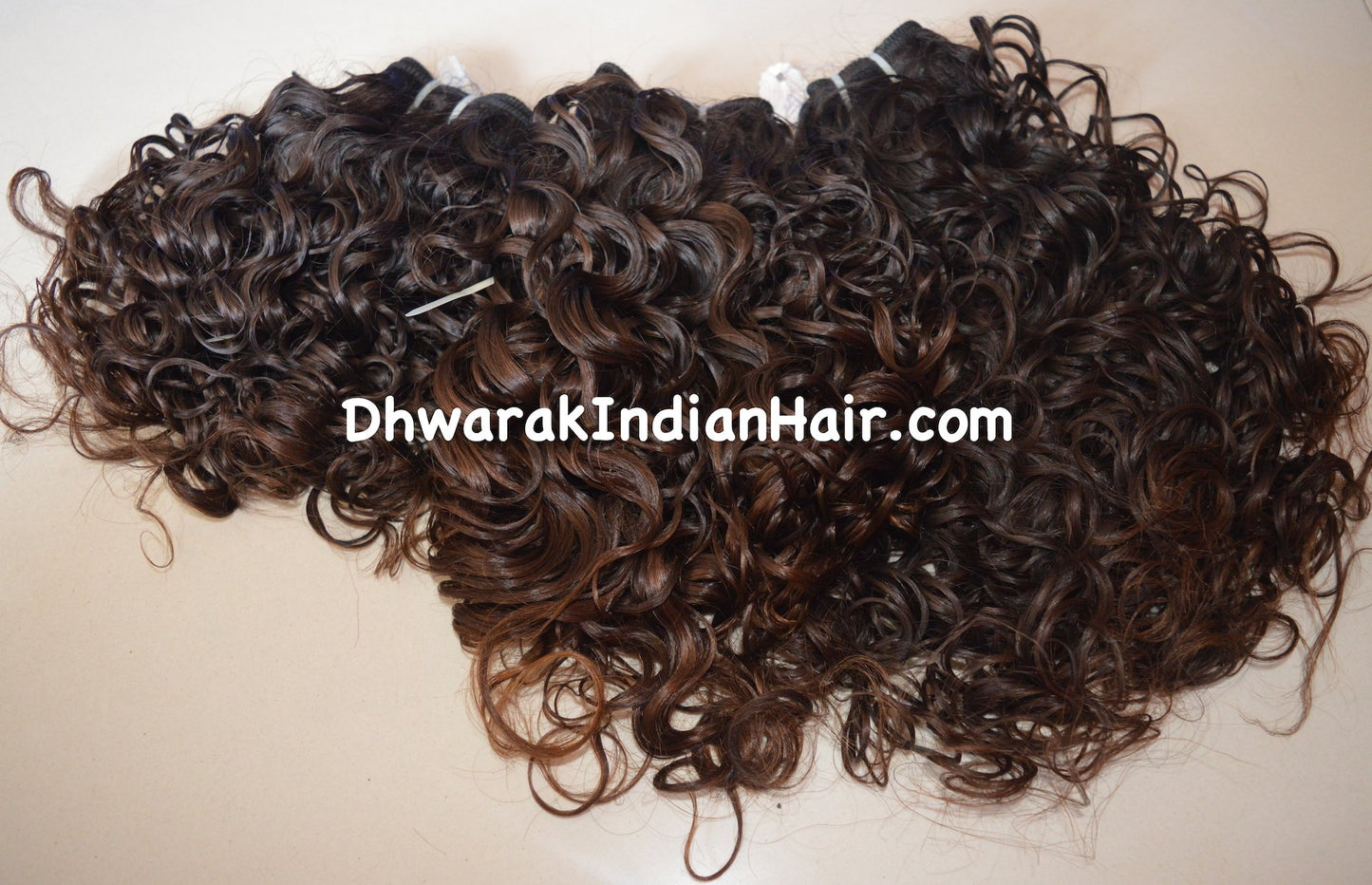
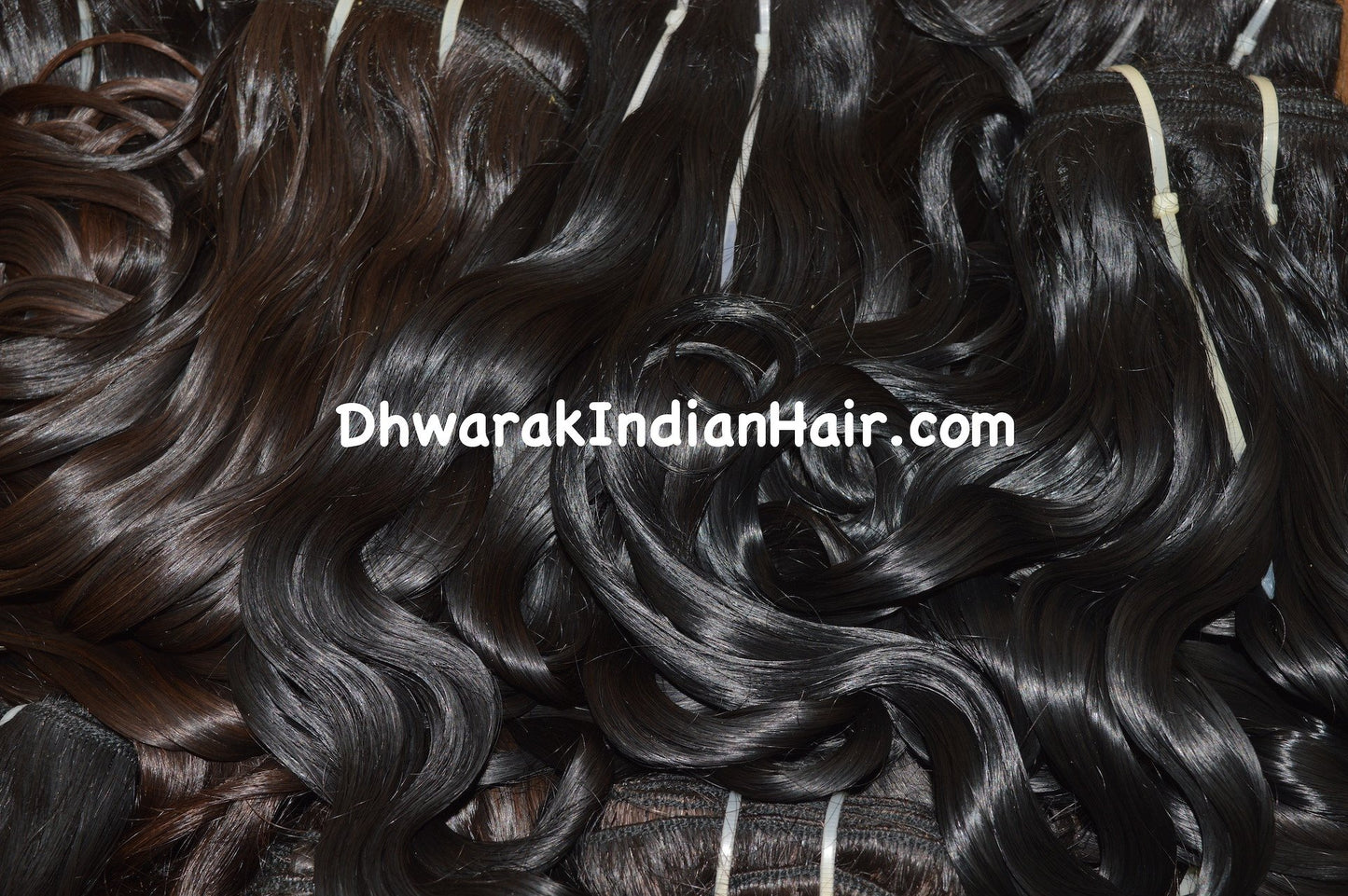
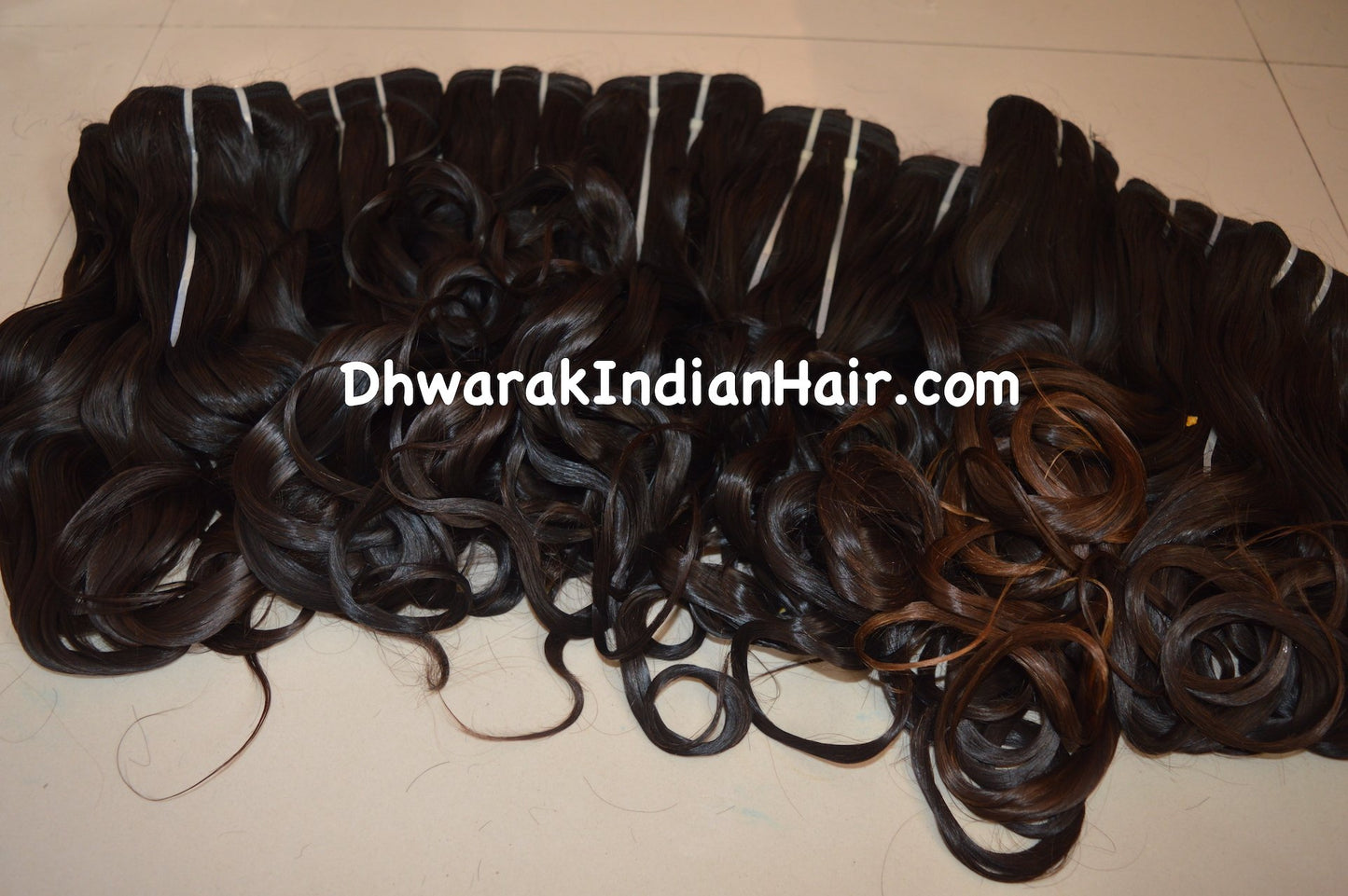
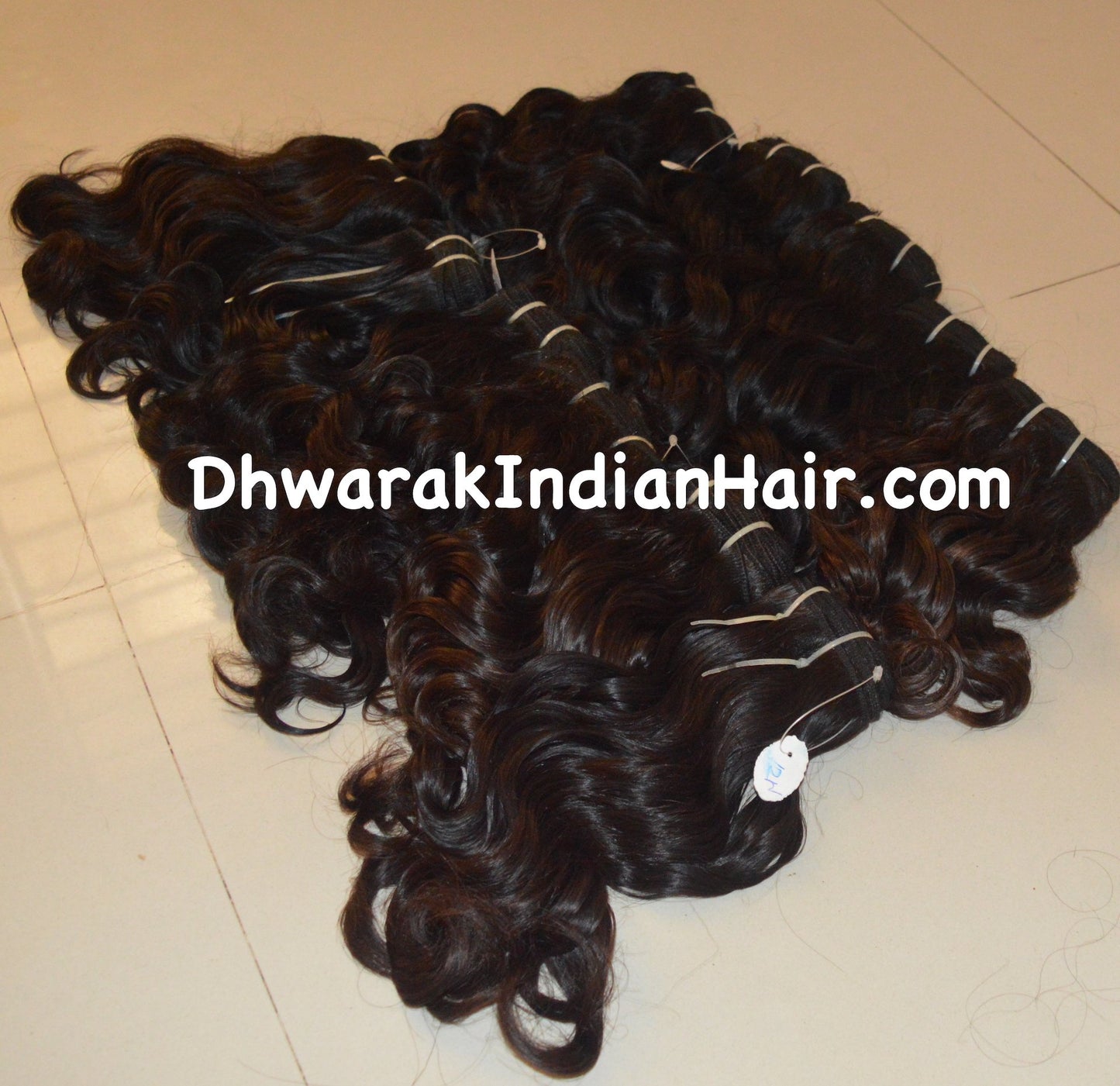
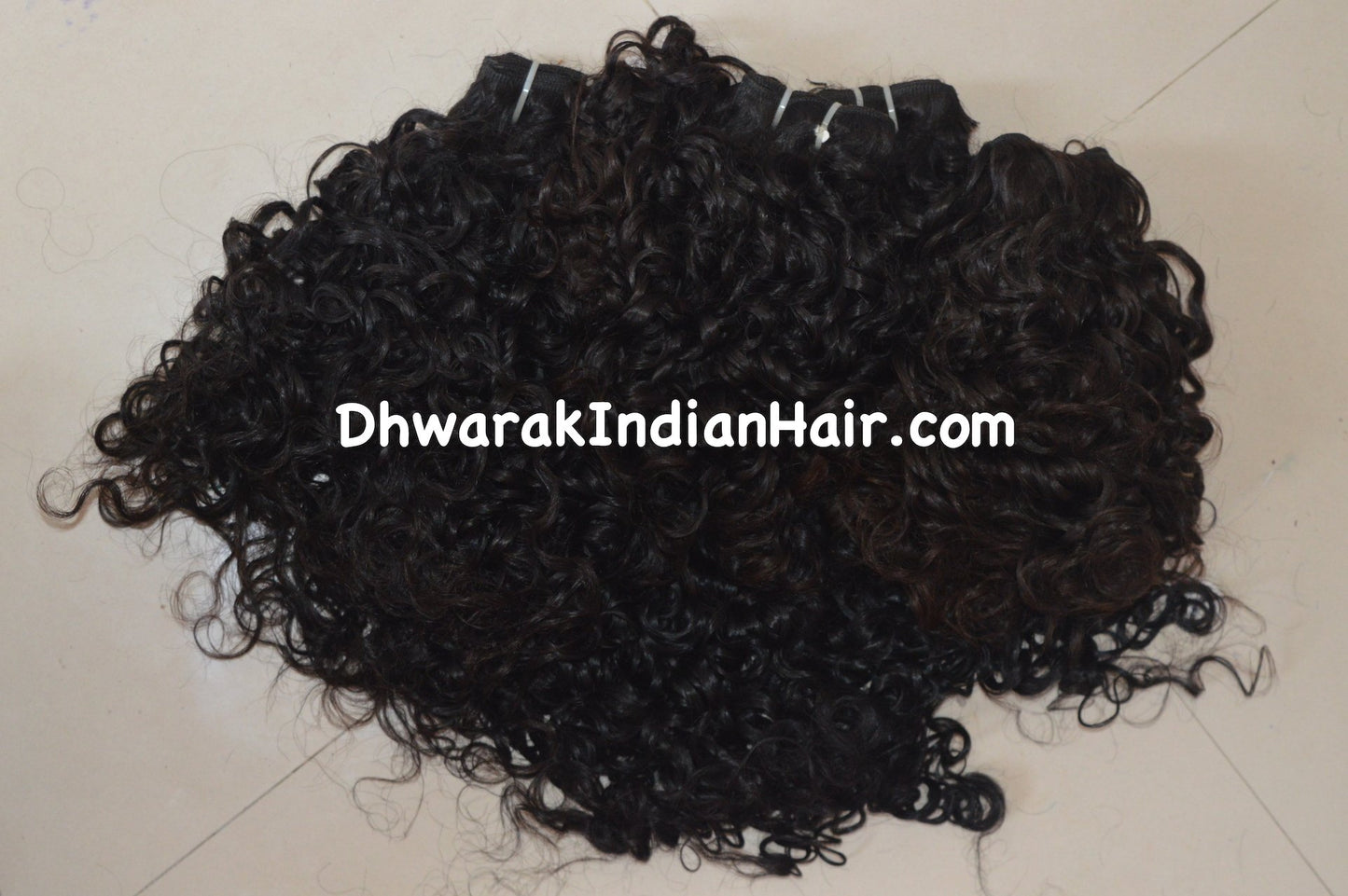
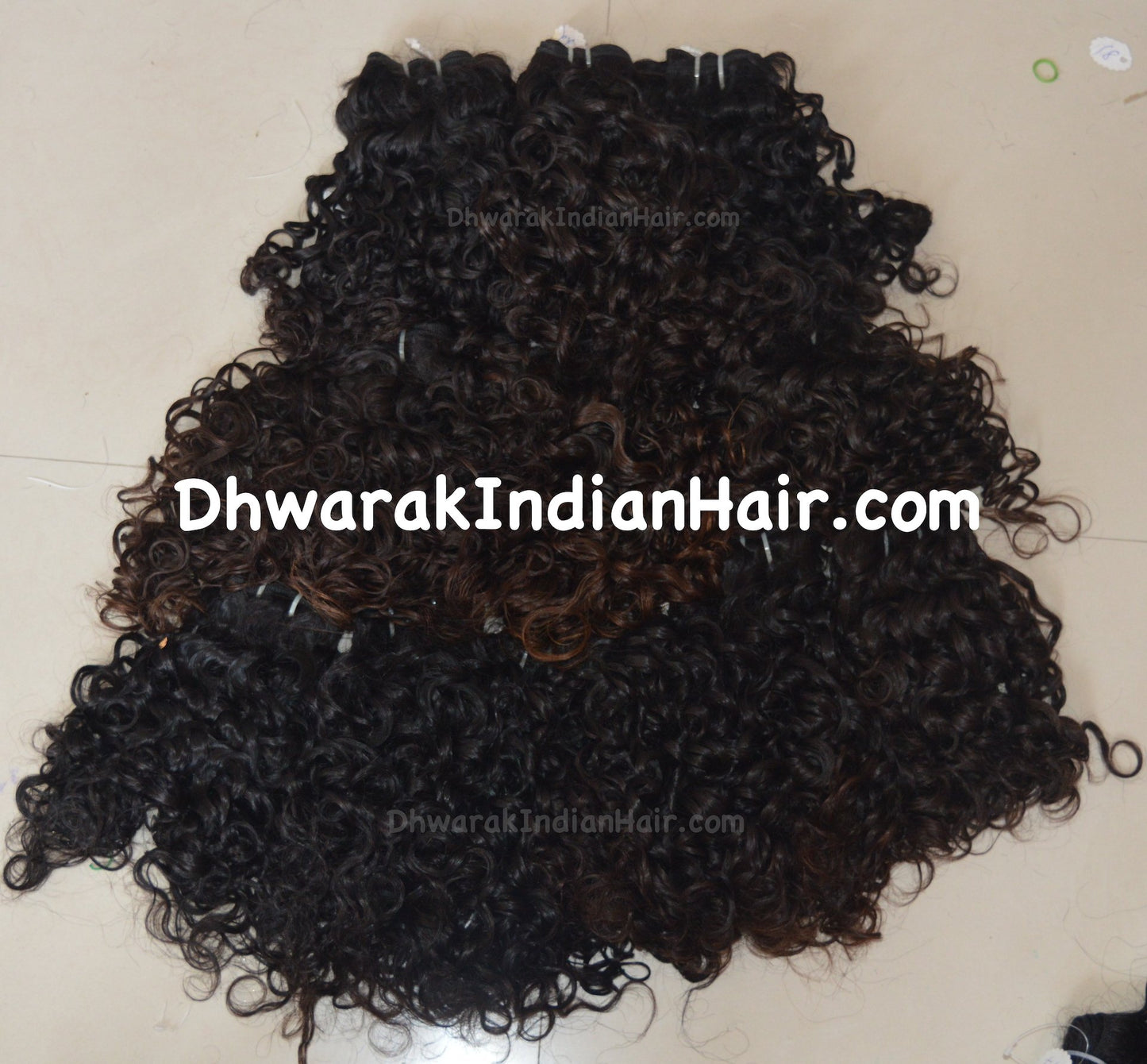
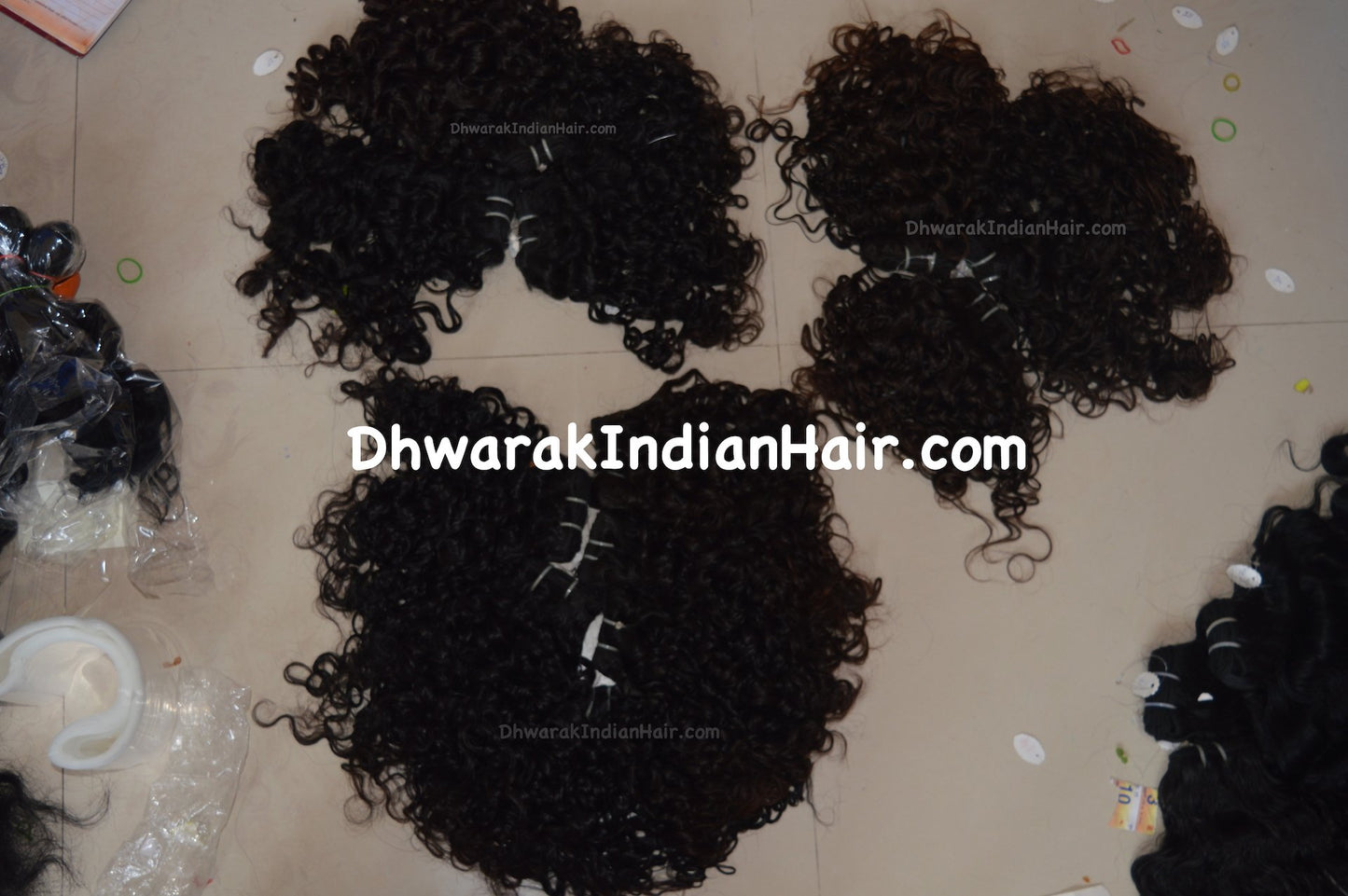
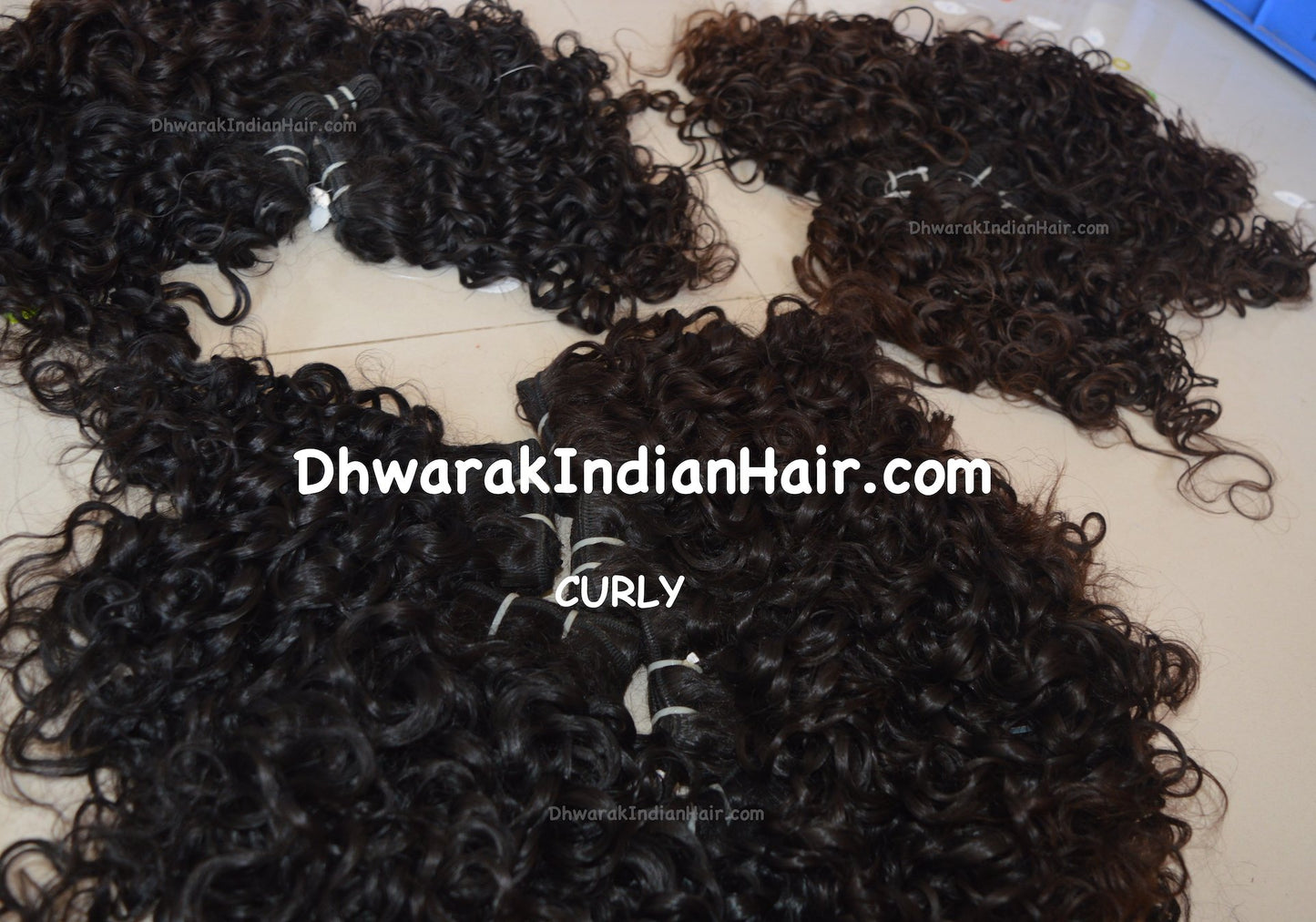
At Dhwarak, our Curly Organic texture is developed from raw curly hair using water, steam and scrunching to create a more defined and uniform curl formation.
No chemical perming is involved.
Our Raw Curly texture, on the other hand, retains its naturally occurring curl pattern without this additional steaming process.
Both offer different choices depending on whether the buyer prefers naturally occurring curl variation or a more consistent, bouncy curl appearance.
To understand these options in greater detail, read The Art of Choosing Your Curl: A Guide to Dhwarak's Curly Textures.

Matching Extensions to Your Natural Hair
One of the most important decisions when choosing extensions is selecting a texture that complements your own hair.
There is no single texture that blends equally well with everyone. The right choice depends on your natural curl pattern, density, colour, styling habits and the finished appearance you want.
For naturally straight hair
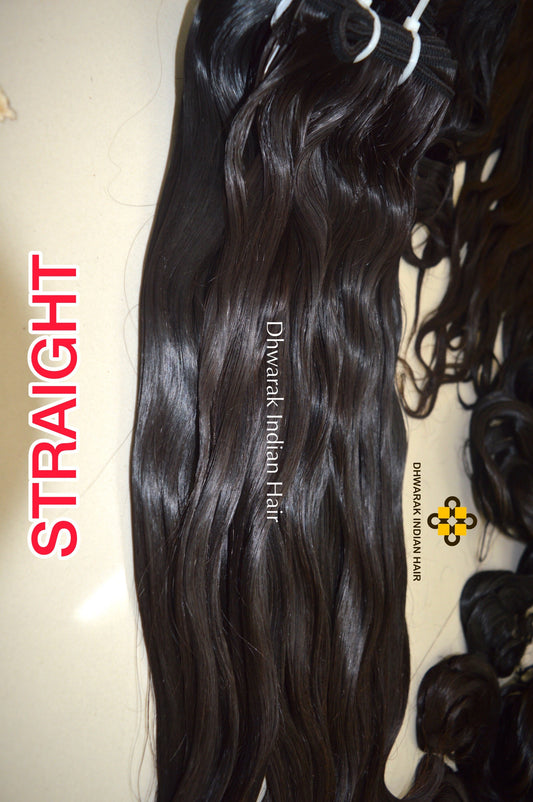
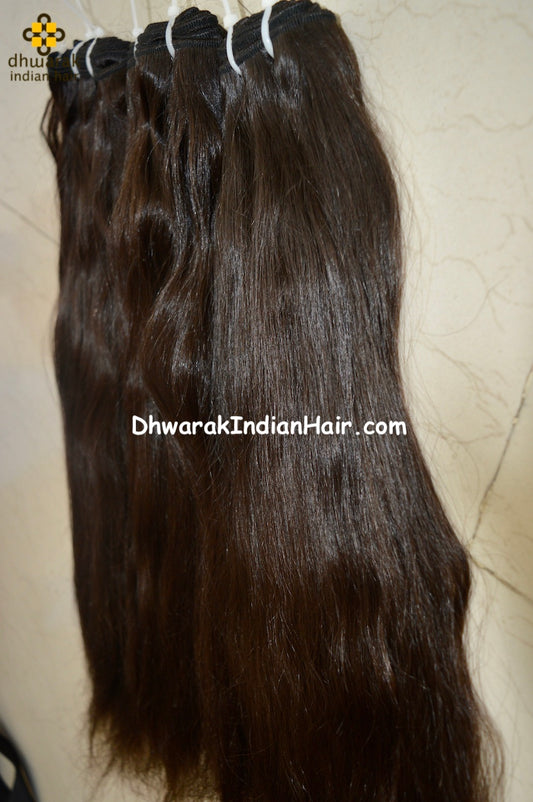
Raw Indian straight hair offers a natural straight appearance with its own movement and body.
It can be suitable for customers looking to add length or fullness without introducing a pronounced wave or curl pattern.
For naturally wavy hair
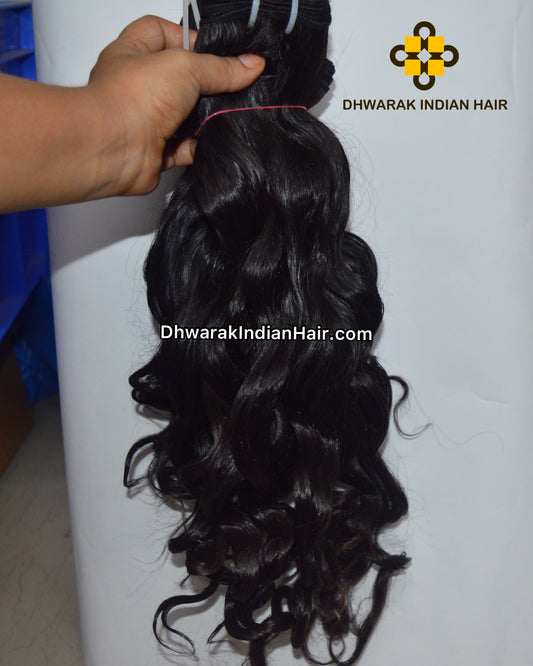
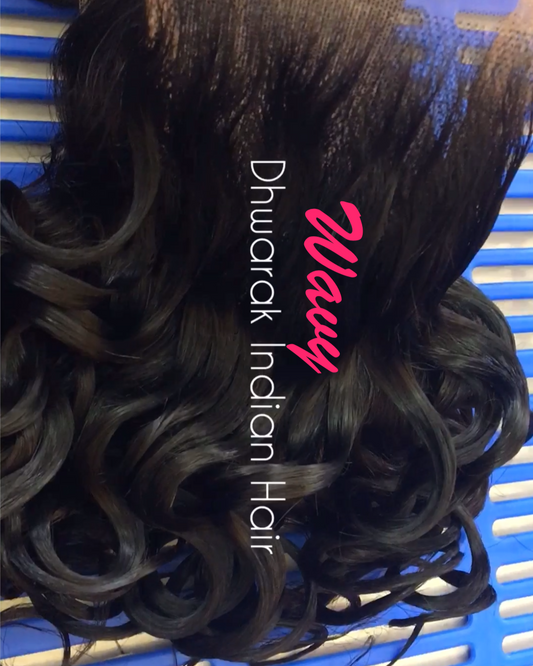
Natural wavy hair can have relaxed waves, deeper formations and varying degrees of body.
Choosing a wave pattern that complements your own hair can help create a more cohesive appearance, particularly when some of your natural hair remains visible.
For naturally curly hair
Curly hair requires more attention to curl formation and definition when selecting extensions.
A curl pattern that is too loose or too defined compared with your own hair may make blending more challenging.
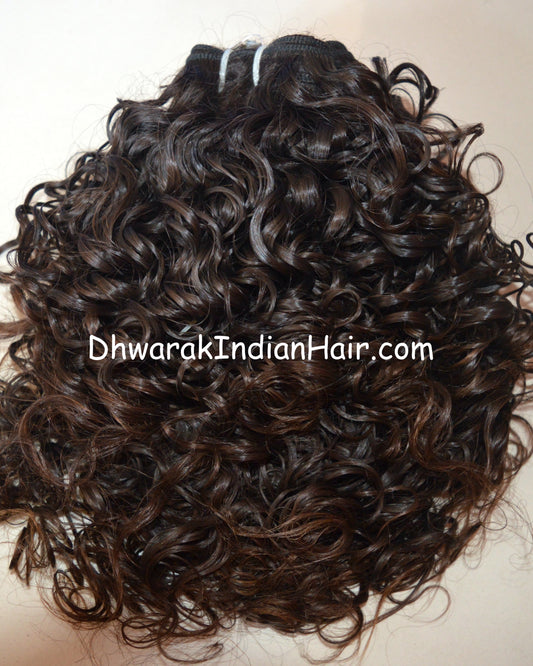
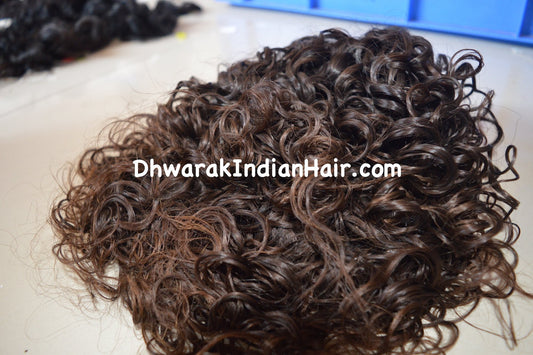
Raw Curly offers naturally occurring curl variations, while Curly Organic provides a more uniform curl appearance through water-and-steam processing.
The choice depends on the finished look you prefer.
For naturally coarse and textured hair
Customers with naturally coarse, curly or textured hair often need to pay particular attention to the thickness, curl formation and overall character of the extensions.
Choosing a texture simply because it is labelled curly may not be enough.
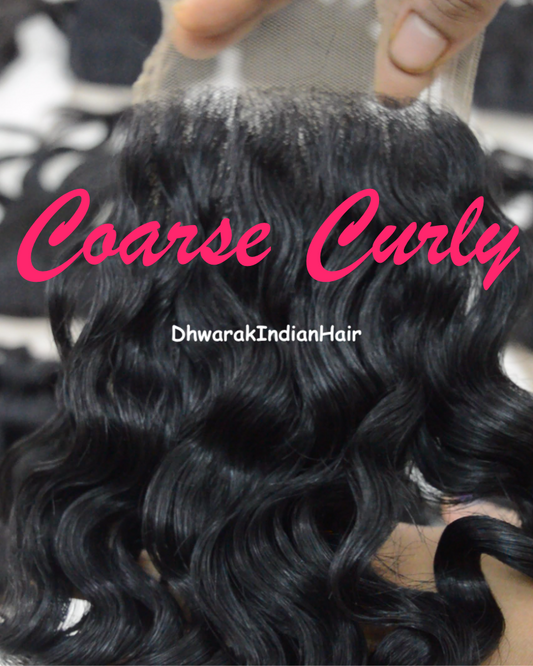
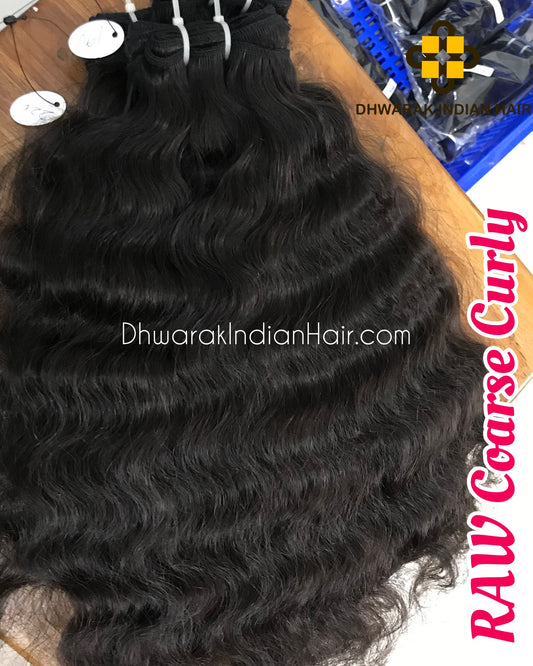
Coarse Curly and Coarse Wavy hair offer different characteristics from finer, more relaxed curl patterns. The objective is to find hair with a compatible texture and appearance.
Dhwarak offers naturally preserved options in these categories. Explore our detailed guide to Raw Indian Hair Bundles in Coarse Textures.
Why Chemical and Acid Processing Strips the Hair
Hair processing is an important subject that buyers should understand before purchasing human hair extensions.
Some commercial hair manufacturing methods use chemical treatments and acid processing to alter the hair surface or prepare it for further processing.
Depending on the treatment, the original characteristics of the hair may be changed.
This is why transparency about processing methods matters.
At Dhwarak Indian Hair, our raw hair is not subjected to chemical texturising, acid treatment or permanent chemical processing to create its original straight, wavy or curly pattern.
We focus on preserving the original characteristics of South Indian temple hair through careful procurement, sorting and preparation at our own manufacturing facility in Chennai, India.
For customers, this means knowing more about the product beyond its finished appearance.
It also means understanding the distinction between naturally preserved textures and textures that have been created through permanent chemical processing.
What Happens When You Wash Naturally Preserved Hair?
This is one of the practical considerations worth understanding when purchasing raw hair.
Naturally preserved hair retains its original texture. When washed and allowed to dry naturally, it can return to its inherent texture, provided it has not been permanently altered through subsequent styling or chemical treatments.
For example, naturally wavy hair may show a different wave formation depending on how it is washed, dried and handled.
Curly hair may show variations in curl definition depending on moisture, conditioning and drying methods.
This is normal.
It is also important to remember that heat styling can temporarily change the appearance of the hair. Excessive heat and inappropriate chemical treatments can affect its condition, just as they can affect natural hair.
For a more detailed explanation, read Understanding Natural Raw Hair Texture After Washing and Styling.
For general hair-care guidance, the American Academy of Dermatology's Tips for Healthy Hair offers useful advice on washing, conditioning, gentle detangling and limiting excessive heat.
We recommend treating your extensions with the same care and attention you would give your own hair.

Natural Variation Is Not a Manufacturing Defect
One expectation worth addressing is uniformity.
Many buyers are accustomed to extensions that look almost identical from one bundle to another. However, genuine raw hair does not naturally come with factory-created uniformity.
Natural differences in colour, wave formation, curl definition and density can occur.
These differences are part of the original hair characteristics.
At Dhwarak, we do not attempt to make every naturally occurring texture look artificially identical. Our objective is to preserve the characteristics of the hair while maintaining appropriate quality standards during manufacturing.
If you would like to understand this subject in more detail, read our guide to Understanding Natural Variation in Raw Indian Hair.
What Should You Look for Before Buying Raw Hair Extensions?
Before choosing your next set of extensions, consider the following:
Understand the original texture. Ask whether the hair is naturally straight, wavy or curly, or whether its pattern has been created through chemical processing.
Ask about chemical treatments. Find out whether the hair has undergone acid treatment, permanent texturising or other chemical processes.
Look beyond product photographs. Request live texture videos and, where possible, examine how the hair looks when dry and wet.
Consider your own hair characteristics. Your natural texture, density and colour should influence your selection.
Understand the difference between raw and steam-refined textures. Both can offer useful styling choices, but they are not the same product.
Choose a supplier who understands the product. A manufacturer should be able to explain how the hair is sourced, prepared and processed.
For first-time buyers, examining samples before committing to a larger purchase is also a practical way to understand the actual texture and characteristics of the hair.
Naturally Preserved Indian Hair from Dhwarak
At Dhwarak Indian Hair, our approach begins with preserving the original characteristics of South Indian temple hair.
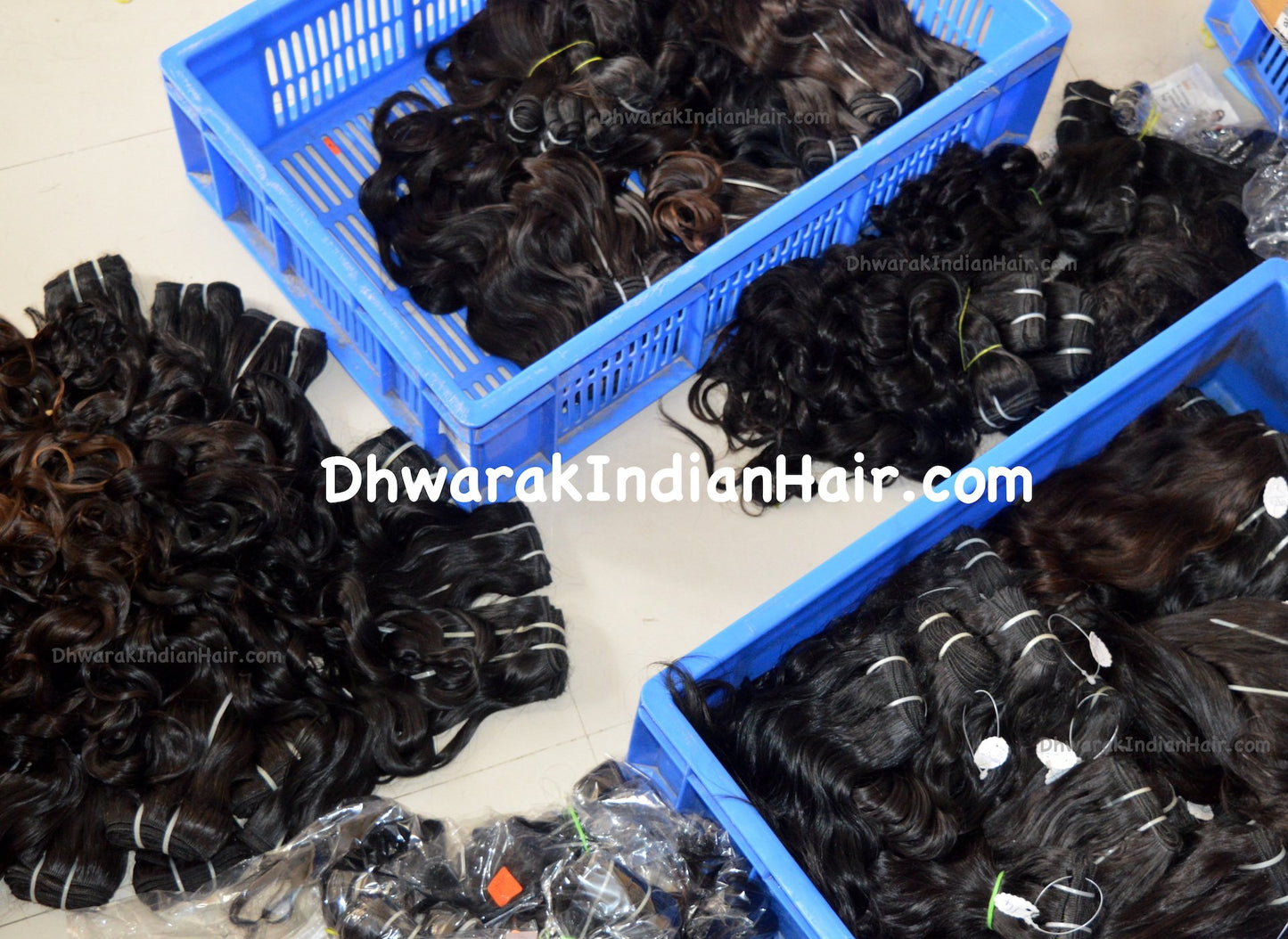
We manufacture our hair extensions at our own factory in Chennai, India, with careful attention to the hair from procurement through preparation and final inspection.
Our naturally preserved raw hair is not chemically texturised, acid-treated or permanently permed to create its original straight, wavy or curly pattern.
We offer different natural textures to accommodate different preferences, including straight, wavy, curly and coarse curly hair.
For customers who prefer a more defined and uniform curl pattern, we also offer Curly Organic, developed through water-and-steam processing without chemical perming.
We believe customers should know the difference between these options rather than simply choose a texture based on its name.
Because ultimately, a natural-looking extension is not just about how it is installed. It is about choosing hair whose original characteristics complement the look you want to achieve.
Explore Dhwarak's Raw Indian Hair Collection
Discover our range of naturally preserved Indian human hair bundles, available in different lengths and textures.
Looking for bundles ready for your next installation? Browse our Raw Indian Hair Bundles.
Manufactured in Chennai, India. Supplied directly to customers, salons and wholesale hair businesses worldwide.
Frequently Asked Questions
Does raw Indian hair blend better with natural hair?
Naturally preserved raw hair retains its original texture and movement, which can make it a suitable choice for customers seeking a natural-looking blend. The result still depends on selecting a compatible texture, colour and density for your own hair.
Why is unprocessed hair different from chemically textured hair?
Unprocessed hair retains its original characteristics, whereas chemically textured hair has undergone treatments to modify its natural pattern. This difference can influence how the hair behaves when washed, dried and styled.
Does raw Indian curly hair return to its original curl pattern after washing?
Naturally preserved raw curly hair retains its inherent curl pattern. After temporary styling changes, washing and allowing it to dry naturally can help restore its original appearance. Results depend on the condition of the hair and the treatments it has undergone.
Is steam-processed curly hair the same as chemically permed hair?
No. Water-and-steam processing and chemical perming are different methods. Dhwarak's Curly Organic texture is developed using water, steam and scrunching without chemical perming.
Is natural variation a sign of poor-quality raw hair?
Not necessarily. Genuine raw hair can have natural differences in colour, curl formation and movement. These variations should be understood as part of the characteristics of naturally sourced human hair.
How do I choose the right raw Indian hair texture?
Consider your own hair texture, the amount of volume you want, the finished appearance you prefer and how you intend to style the extensions. Viewing live texture samples before purchasing can also help you make a more informed choice.
Dhwarak Indian Hair
Kit de mélange pour vendeurs de cheveux en gros
Partager
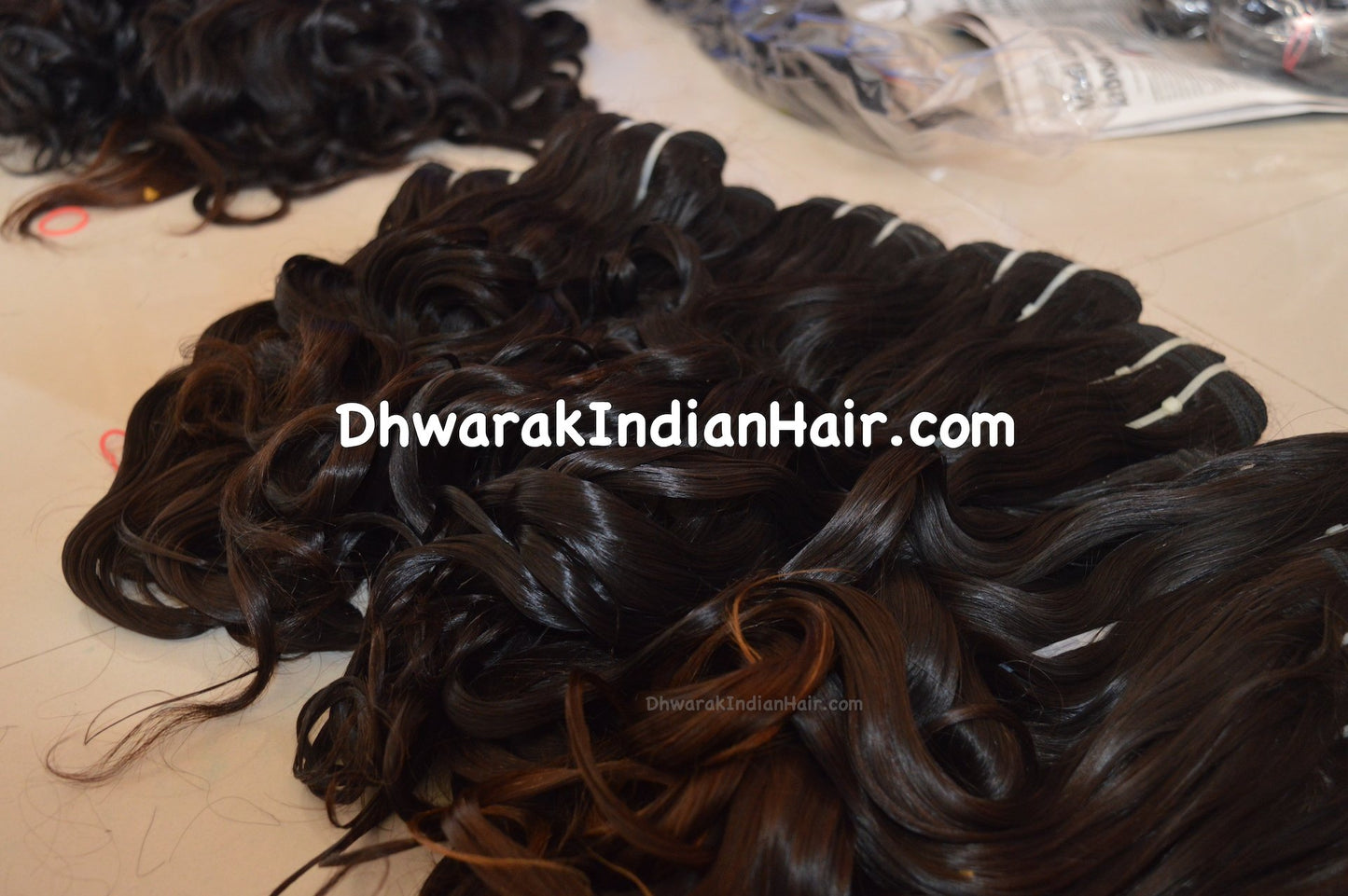
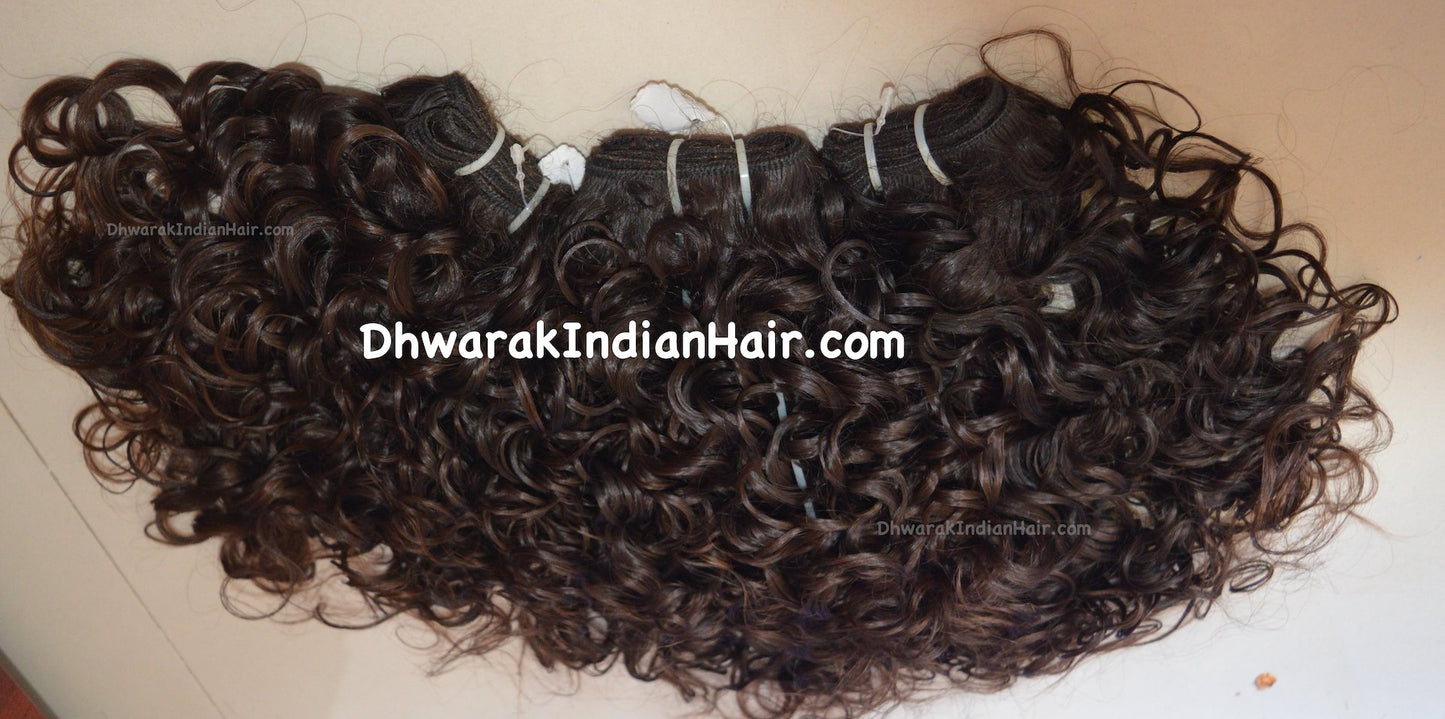
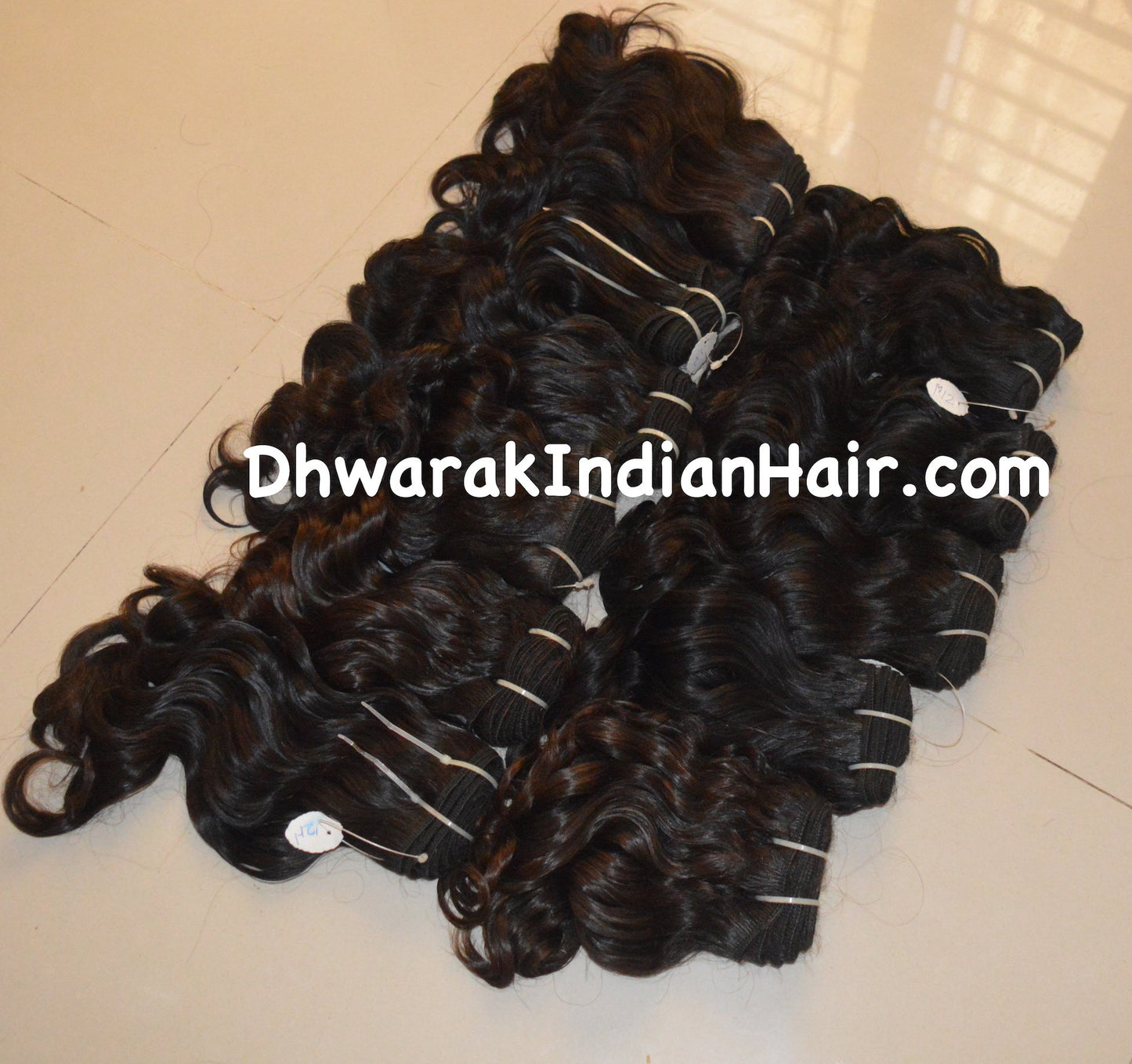
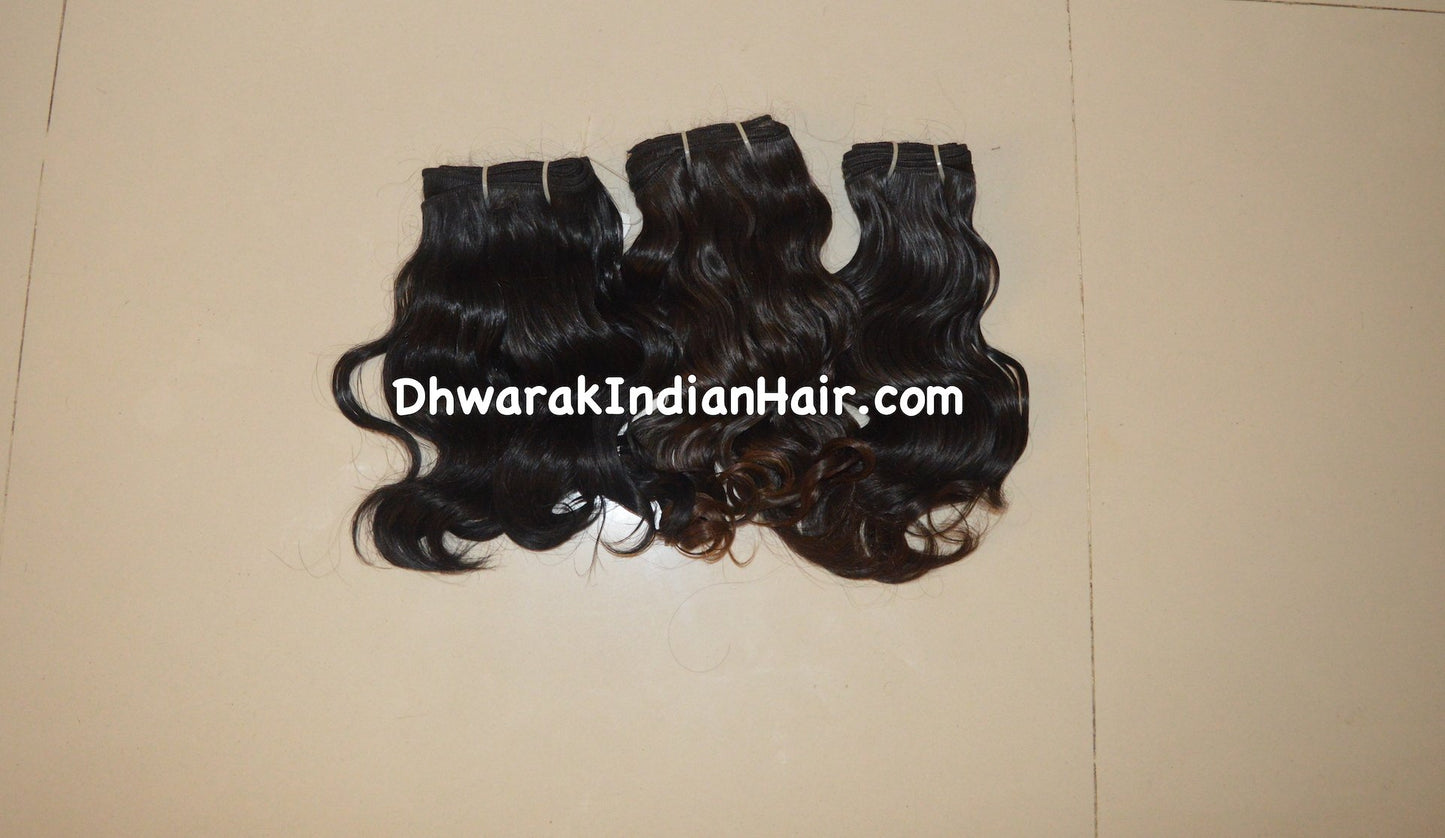
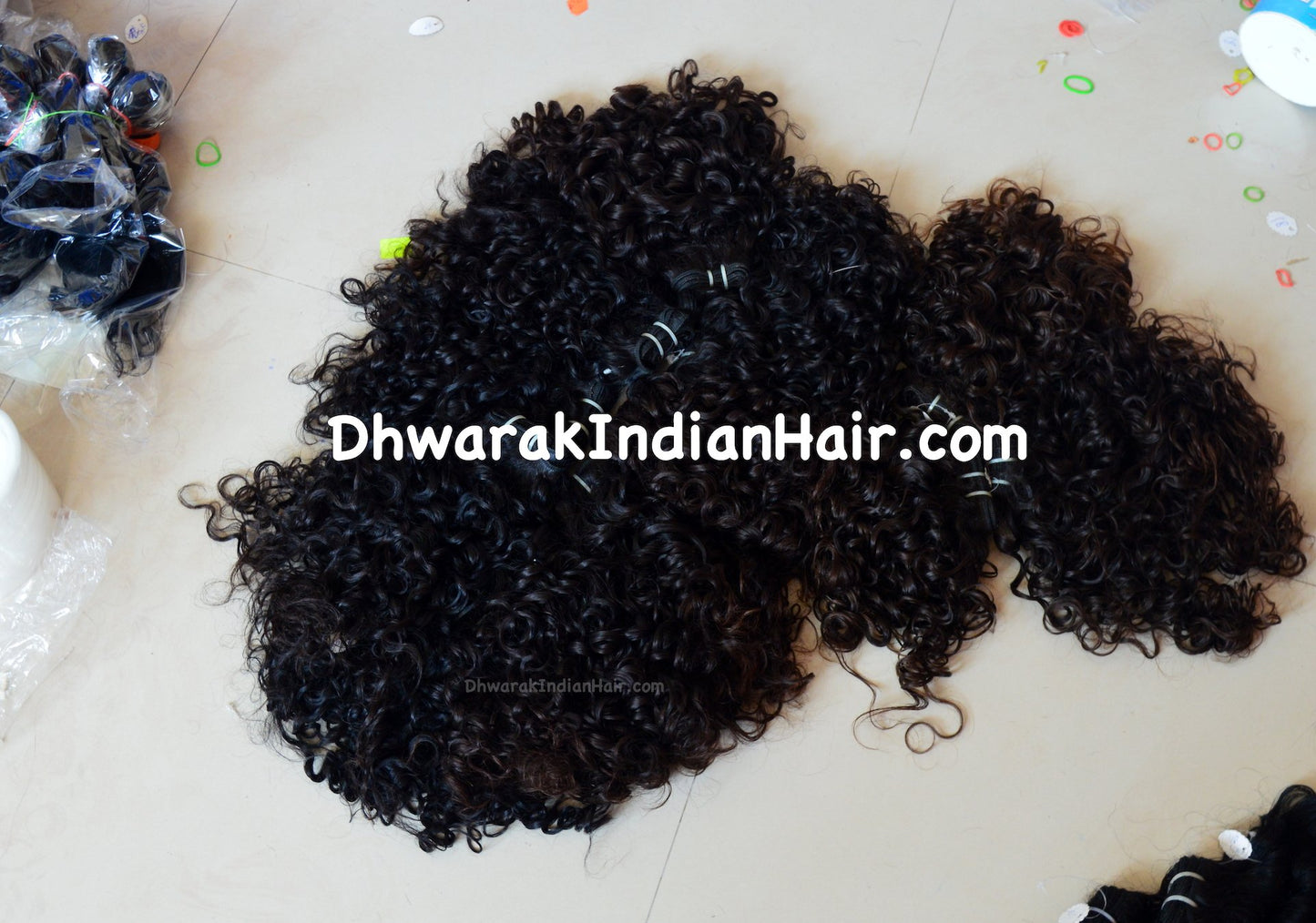
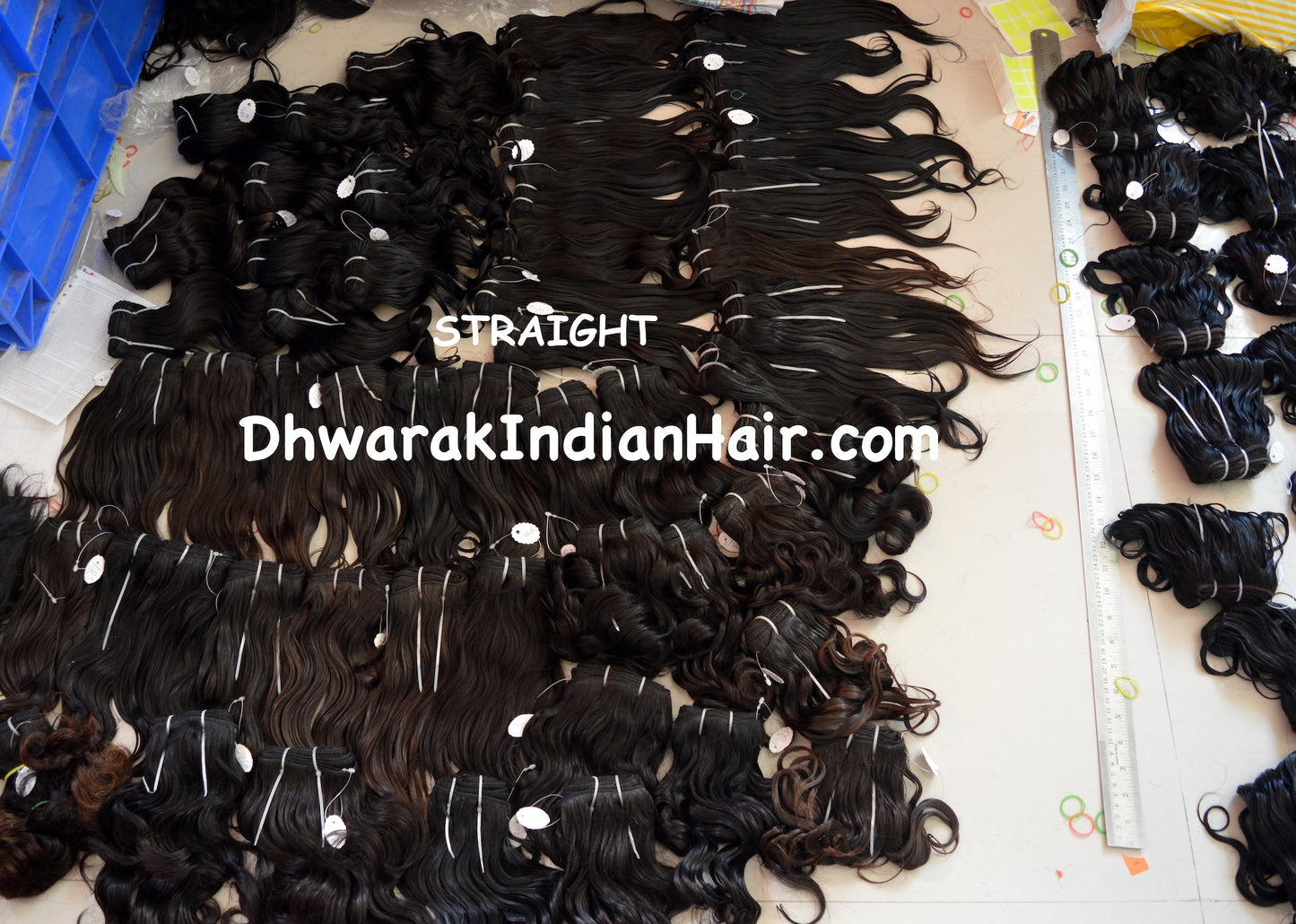
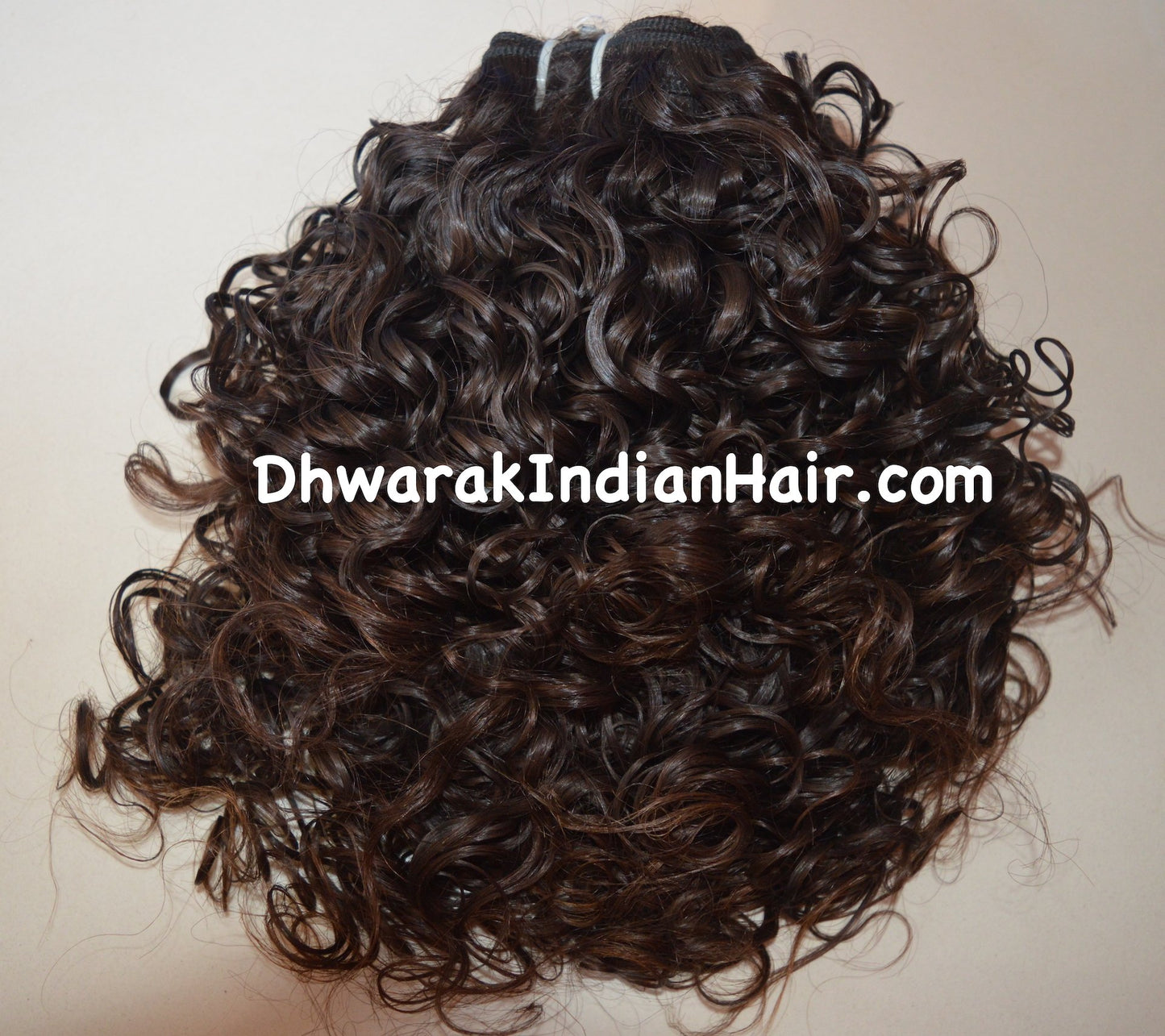
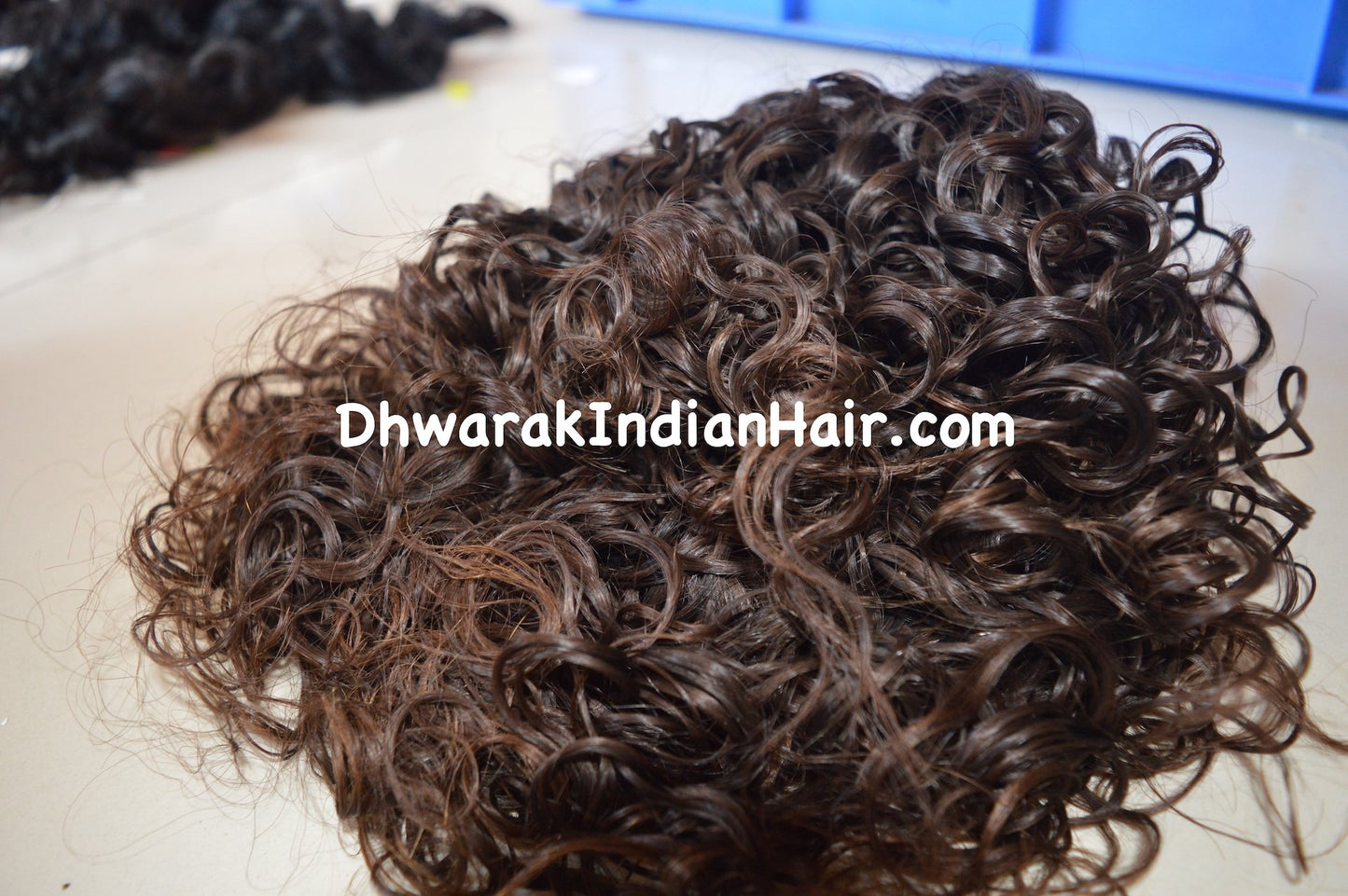
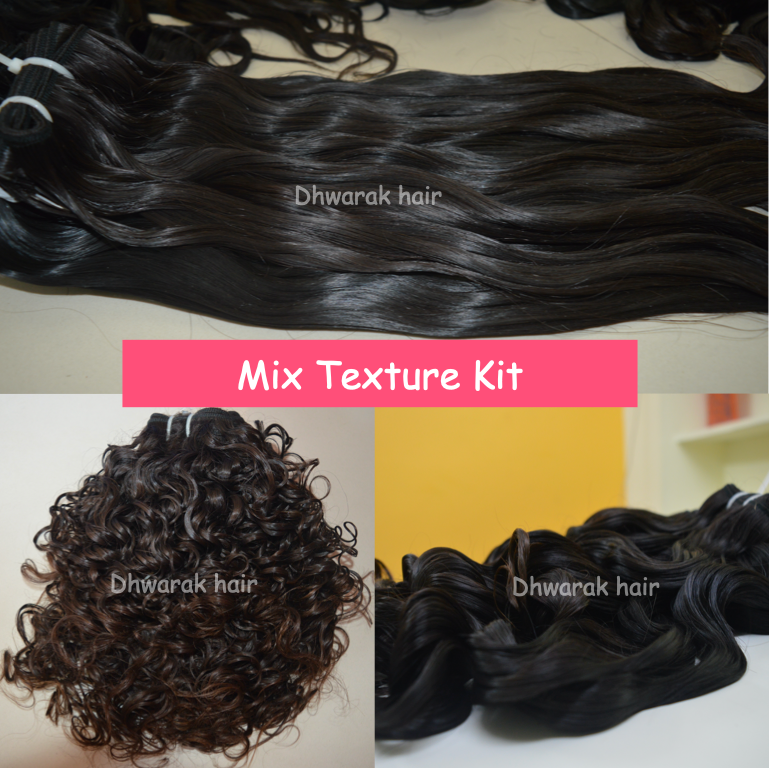
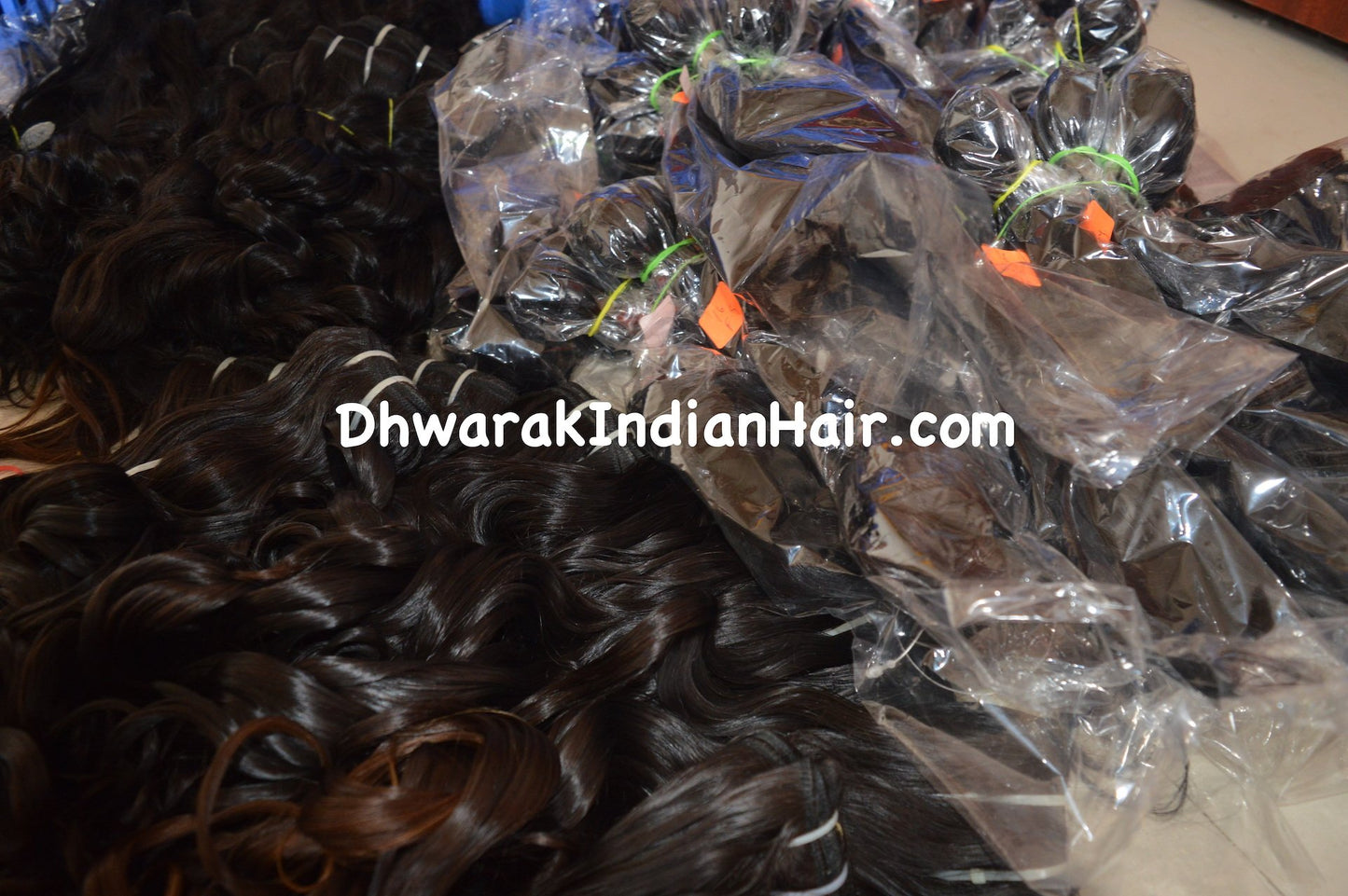
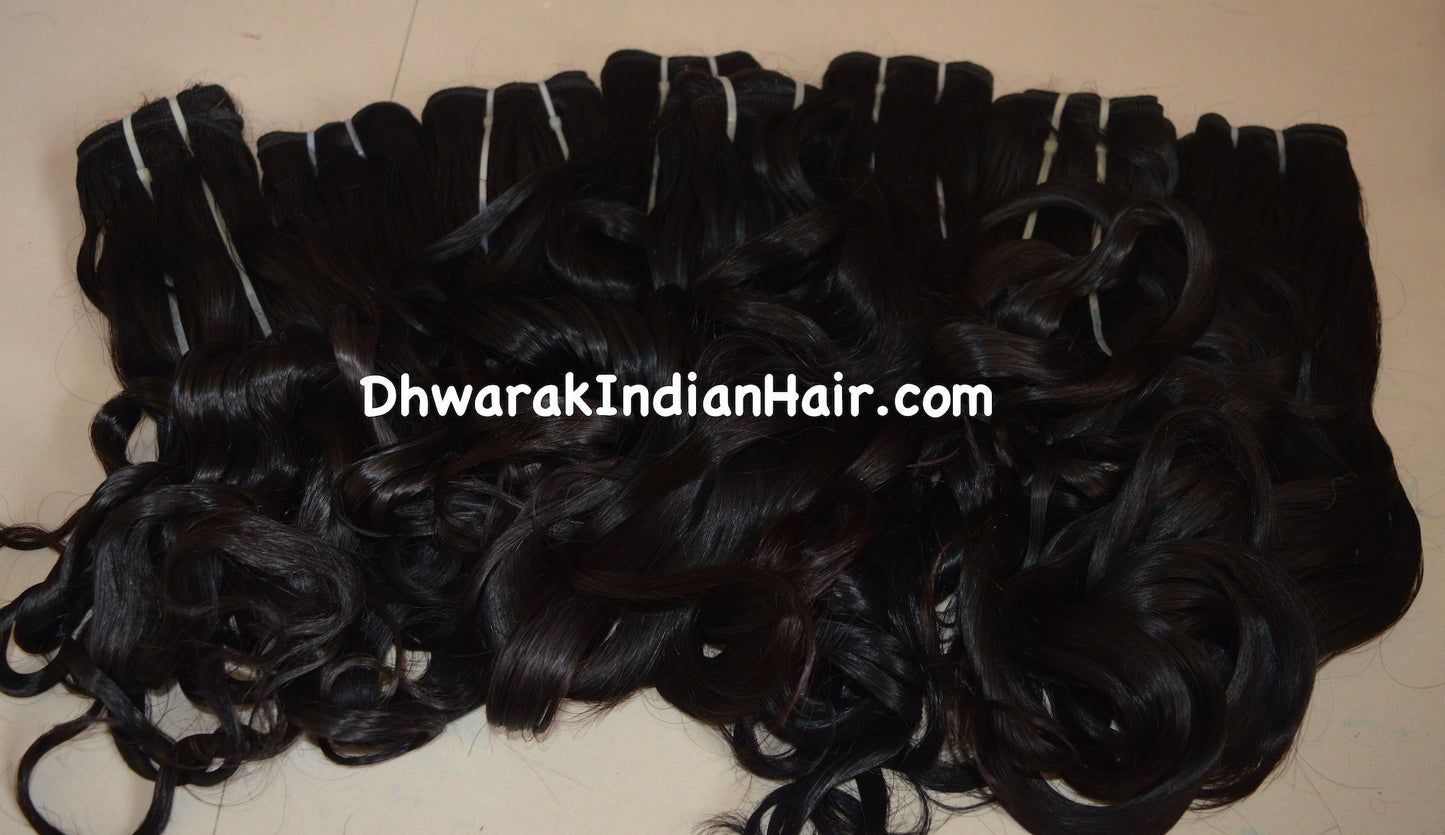
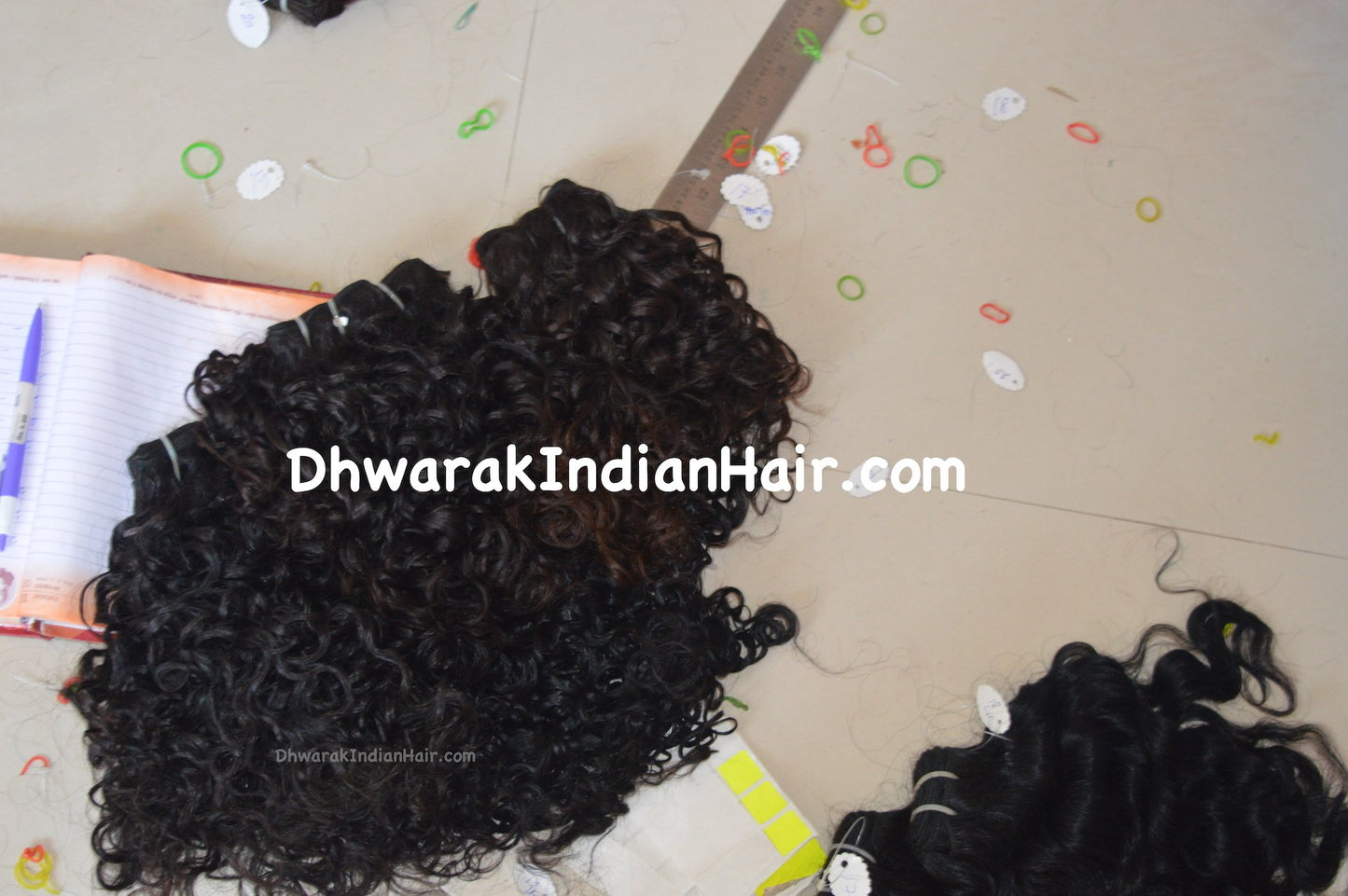
Lots de cheveux indiens – Achetez en ligne
-
Paquet de cheveux indiens droits et bruts
Prix habituel À partir de $69.99 USDPrix habituelPrix unitaire par$96.00 USDPrix promotionnel À partir de $69.99 USDPromotion -
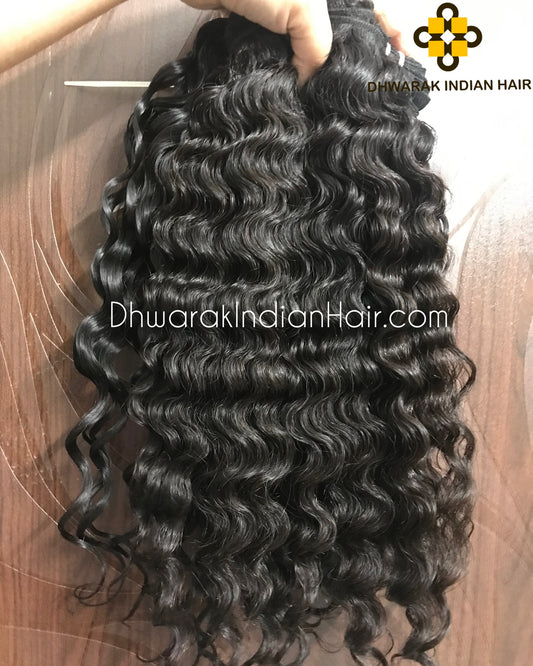
Paquet de cheveux bouclés indiens bruts
Prix habituel À partir de $99.99 USDPrix habituelPrix unitaire par -
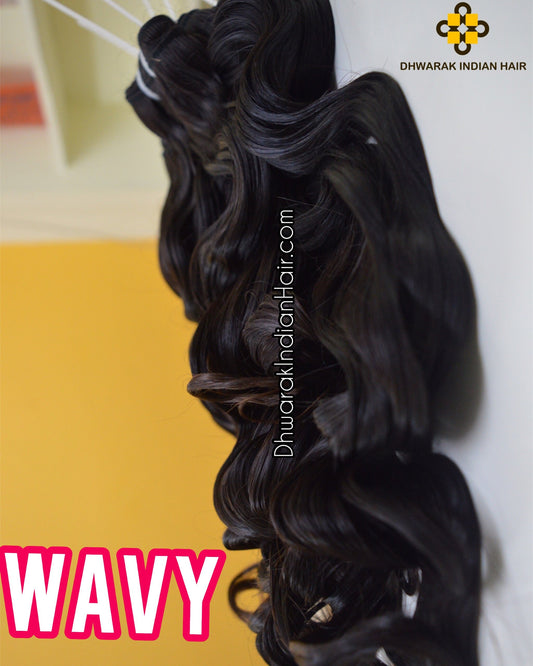 Promotion
Paquet ondulé indien brut
Prix habituel À partir de $69.99 USDPrix habituelPrix unitaire par$96.00 USDPrix promotionnel À partir de $69.99 USDPromotion -
 Promotion
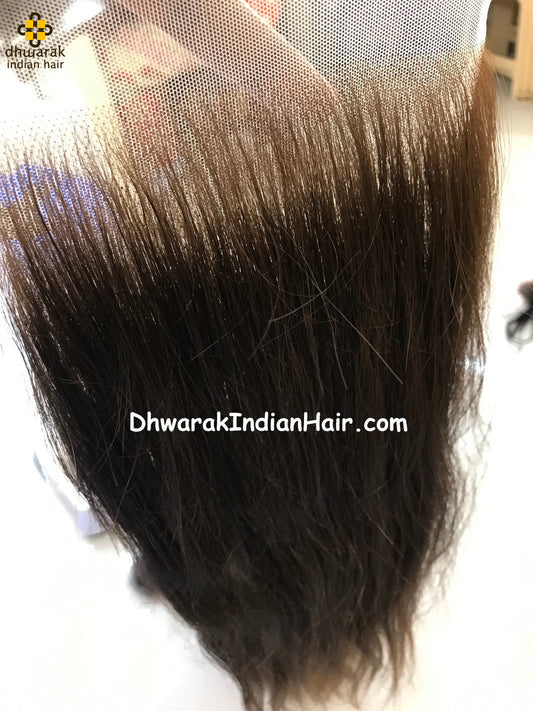
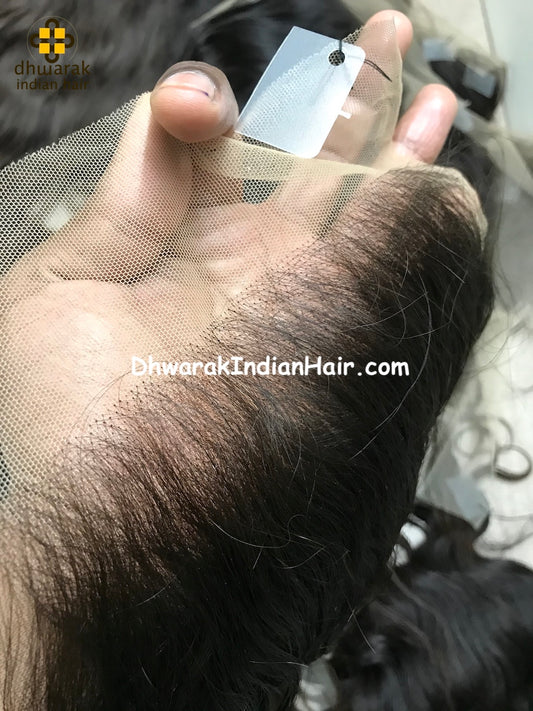
Fermeture en dentelle HD 4x4
Prix habituel À partir de $84.00 USDPrix habituelPrix unitaire par$93.00 USDPrix promotionnel À partir de $84.00 USDPromotion -
Paquet de cheveux bouclés indiens biologiques crus
Prix habituel À partir de $99.99 USDPrix habituelPrix unitaire par -
 Promotion
Fermetures en dentelle HD 6x6
Prix habituel À partir de $138.00 USDPrix habituelPrix unitaire par$141.00 USDPrix promotionnel À partir de $138.00 USDPromotion
Vendeur de cheveux en gros
-
Paquets de cheveux indiens bruts
Lots de cheveux indiens bruts d'origine éthique Nous sommes l'un des plus...
-
Fermeture à lacets
Meilleure fermeture en dentelle transparente HAUTE DÉFINITION 6x6 vs 4x4 Les fermetures...
-
Offres groupées de cheveux indiens bruts
Offres de lots de cheveux - Usine de vente en gros de...
