
How to Choose a Reliable Raw Indian Hair Vendor: A Complete Guide for Retail Buyers and Wholesale Businesses
Finding good-quality human hair extensions is not always straightforward. Whether you are buying three bundles for your next installation or sourcing hair for a salon or hair business, the challenge is often the same: how do you know what you are actually buying?
The market offers everything from inexpensive hair extensions on large online marketplaces to premium products sold by established hair boutiques. Prices can vary enormously, and product descriptions often use similar terms such as virgin hair, Remy hair and raw hair, even though the products may be quite different.
For buyers in the United States and Europe, there is another option worth considering: purchasing directly from an established Indian hair manufacturer.
India has a long history of temple hair collection and human hair processing. However, finding a dependable supplier requires more than searching for an Indian hair vendor online. You need to understand where the hair comes from, how it is processed, who manufactures the finished products and what happens after you place an order.
This guide explains what to look for when choosing a raw Indian hair supplier, whether you are purchasing for personal use or building a hair business.

Why ![]() Is Finding a Reliable Raw Indian Hair Vendor So Difficult?
One of the biggest challenges in the hair extension market is that similar product descriptions can be used for hair of very different origins and processing methods.
A product advertised as 100% human hair does not necessarily mean it is raw hair. Similarly, virgin hair, Remy hair and raw hair are not interchangeable descriptions.
Some products undergo colour processing, texture alteration, steam treatments or other manufacturing procedures. These processes are not automatically bad, but buyers should understand what has been done to the hair before purchasing.
Price creates another challenge.
At one end of the market, inexpensive extensions are widely available through online marketplaces. At the other end, established hair boutiques in the United States sell premium extensions at considerably higher retail prices.
Neither the cheapest product nor the most expensive product automatically guarantees the best value.
The important question is whether the product justifies its price and whether the supplier can explain its origin, processing and construction.
For many customers, buying directly from an established manufacturer in India can provide an alternative to these traditional purchasing routes.

Understanding Where You Buy Your Hair
Before choosing a vendor, it helps to understand how the hair extension supply chain works.
Online marketplaces
Large online marketplaces make it easy to compare products and prices. They offer convenience, a wide selection and accessible purchasing options.
However, the experience can vary considerably between sellers. Product descriptions, photographs and advertised specifications do not always provide enough information to establish the actual quality or manufacturing origin.
Buyers should examine individual seller credentials, product reviews, return policies and available product evidence rather than relying exclusively on the marketplace name.

Local hair boutiques and premium retailers
Established hair boutiques in the United States and Europe offer local availability, customer assistance and the opportunity to see or examine products before purchasing.
Their prices may also reflect importing, distribution, inventory, premises, staffing and retail operating costs.
For customers who value local availability and immediate assistance, these businesses can be a suitable choice.
However, buyers who are comfortable ordering internationally may want to explore whether purchasing directly from a manufacturer offers better overall value.
Independent hair vendors and resellers
Many hair vendors operate online or through social media. Some maintain their own inventory, while others purchase from manufacturers and distributors.
A reseller is not necessarily an unreliable supplier. What matters is whether the business can provide accurate information about its products, maintain consistency and offer dependable customer support.
Direct Indian hair manufacturers
Buying directly from a manufacturer provides an opportunity to understand the product closer to its source.
Instead of relying entirely on information passed through several distribution layers, customers can communicate with the people responsible for processing and manufacturing the finished extensions.
For retail buyers, this can mean access to factory-direct product pricing. For wholesale buyers, it can mean establishing a direct supply relationship rather than depending entirely on intermediaries.
However, buying directly does not automatically guarantee quality. The manufacturer's actual processes, product specifications and willingness to provide transparent information still matter.
If you are considering purchasing directly from India, read our guide on whether you can buy Indian hair directly from India.

Seven Things to Check Before Choosing a Raw Indian Hair Vendor
Understand the actual origin of the hair
Ask where the hair originates and whether the supplier can explain its sourcing arrangements.
South Indian temple hair is one of the established sources of Indian human hair. Temple donations are collected through organised processes, and the hair subsequently enters the supply and manufacturing chain.
Simply describing a product as Indian temple hair is not enough. Buyers should look for suppliers who can explain their procurement and manufacturing arrangements.
At Dhwarak Indian Hair, the hair is sourced from temples in South India and brought to our own manufacturing facility in Chennai.
To understand more about the origins of Indian temple hair, read our guide to understanding the source of raw Indian hair.
Understand what raw hair actually means
Raw hair refers to hair that retains its natural characteristics without chemical texture alteration or conventional processing that changes its original structure.
An important characteristic is the preservation of natural cuticle layers and their directional alignment.
When cuticles are maintained in the same direction, the hair retains its natural surface characteristics and movement.
Ask your supplier whether the hair has been chemically processed, dyed or texture-altered. If a particular texture has undergone an additional process, ask exactly what that process involves.
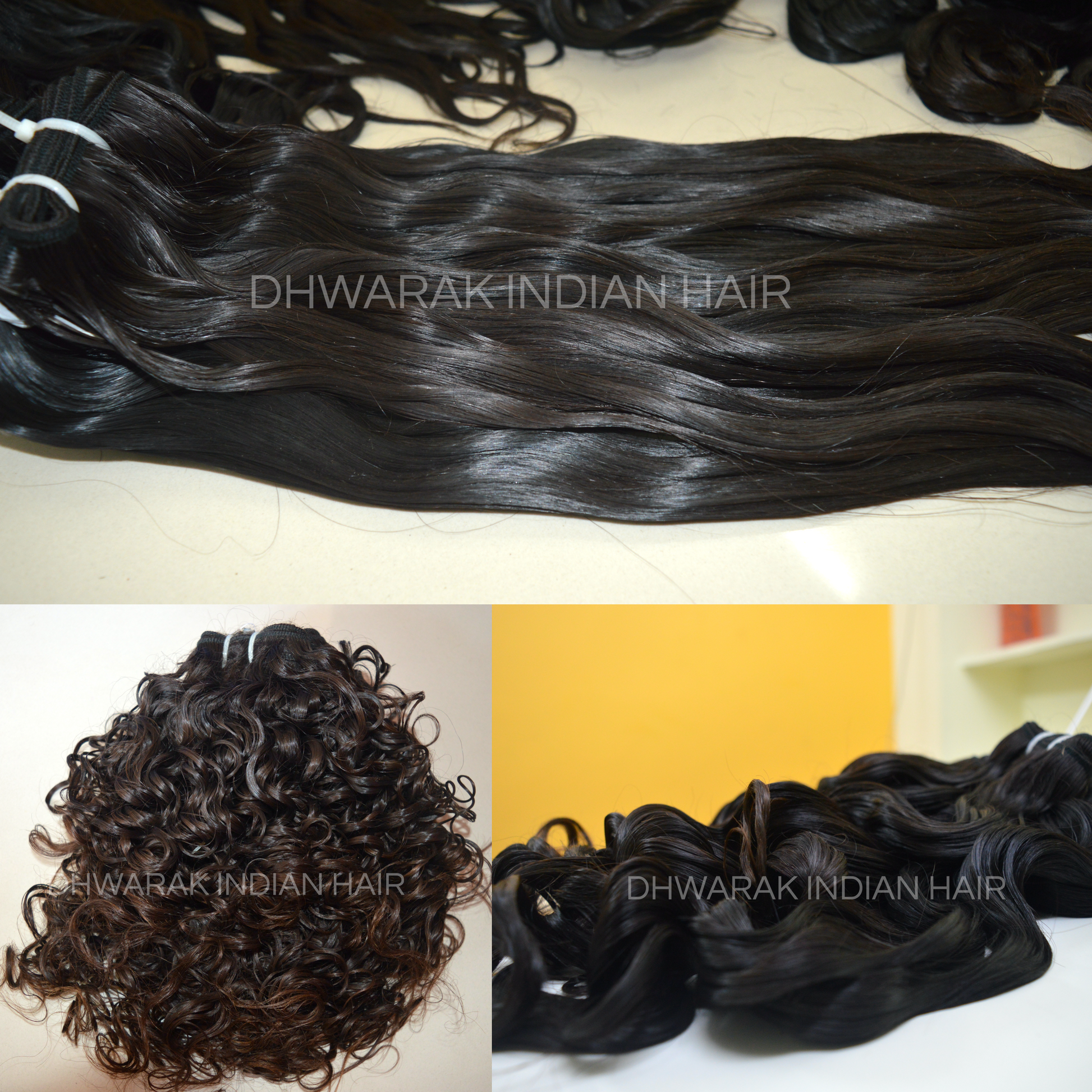
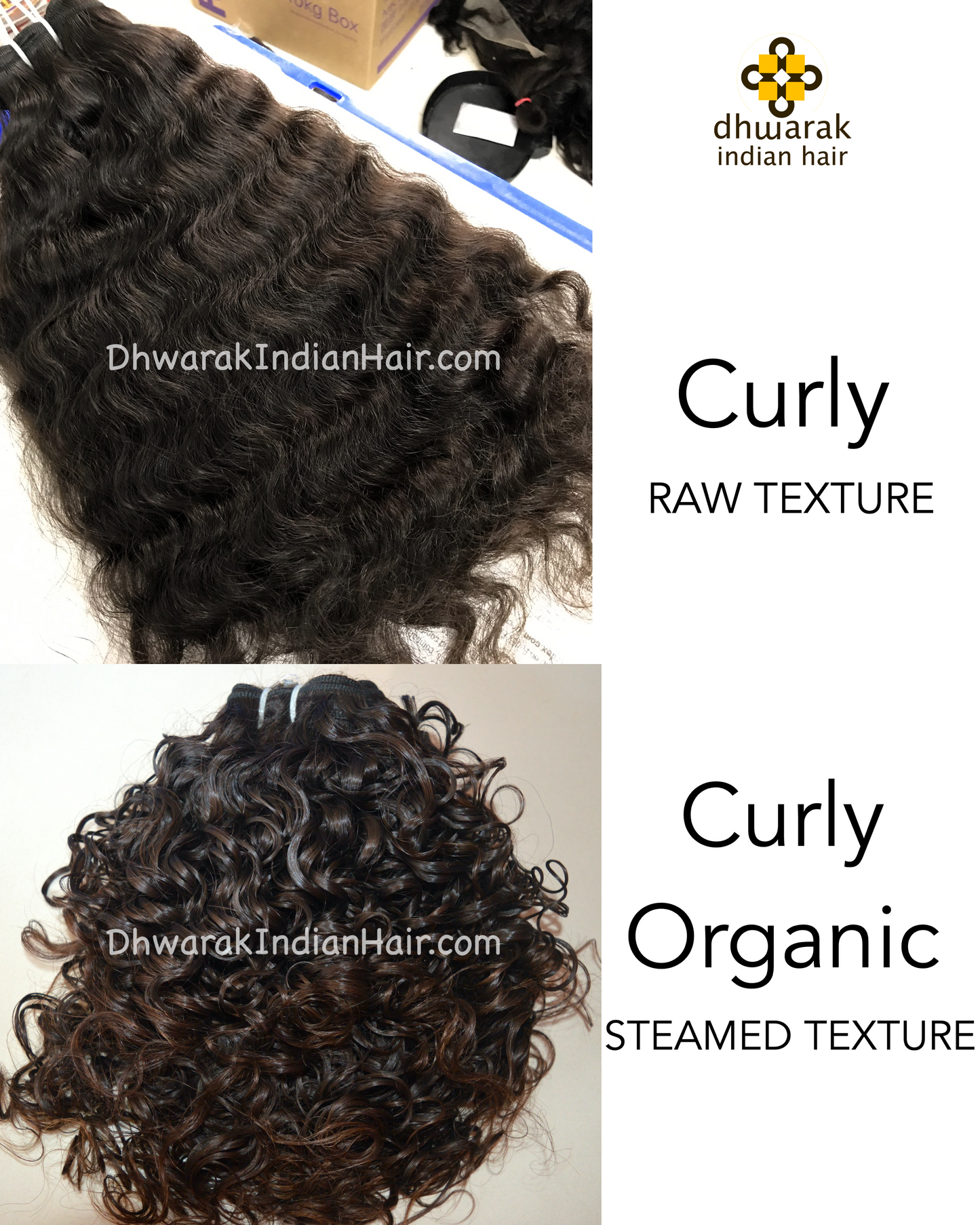
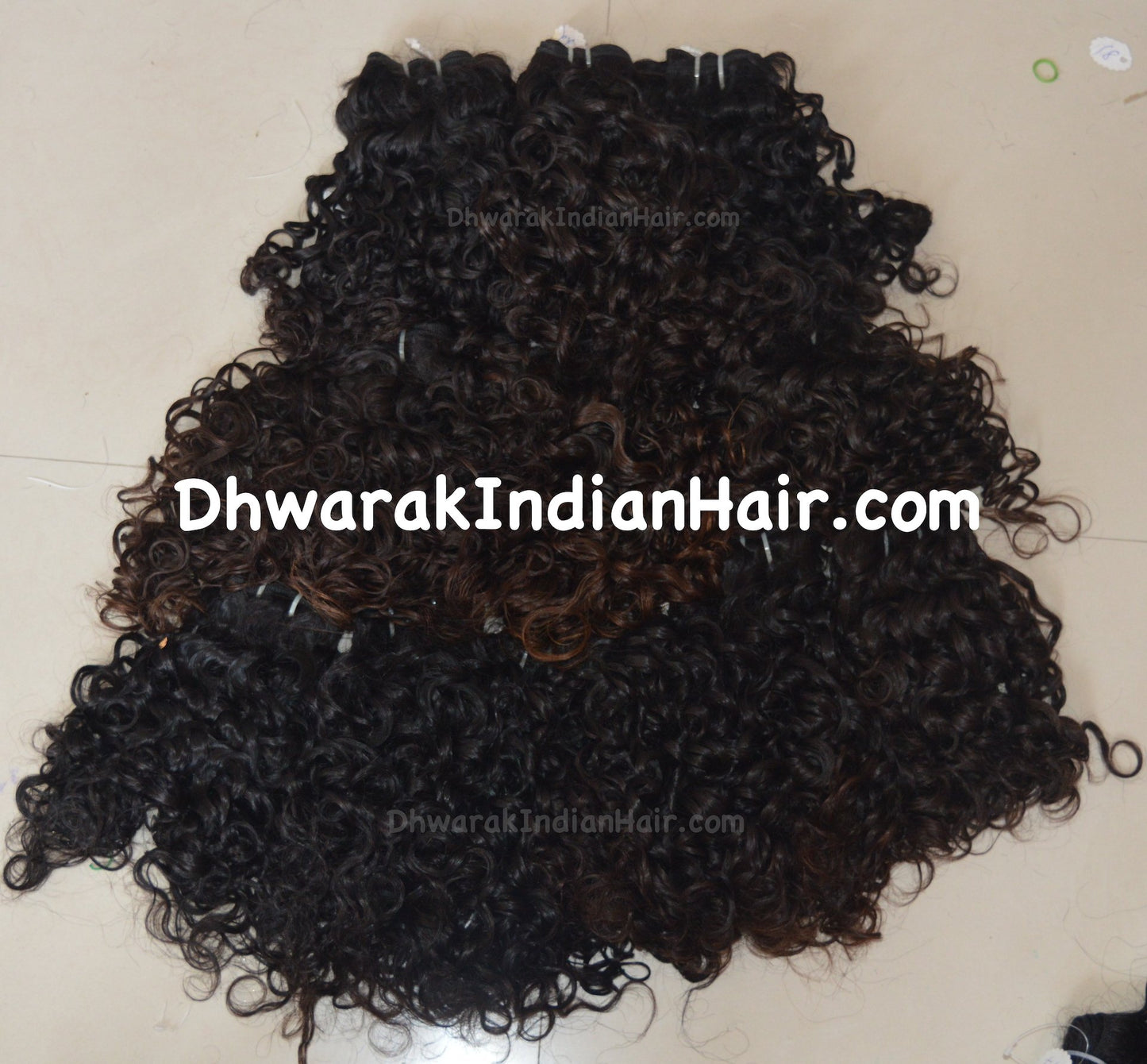
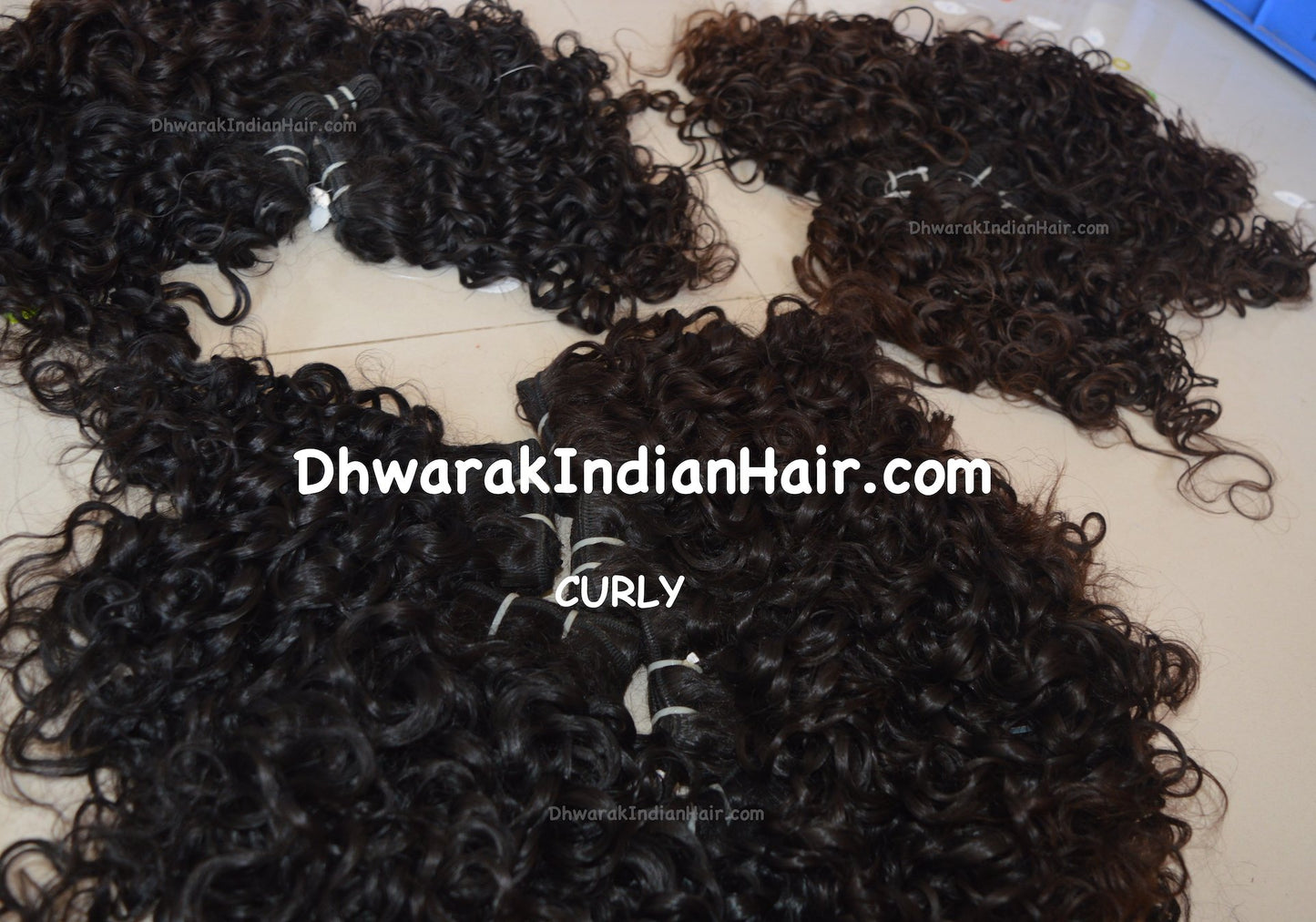
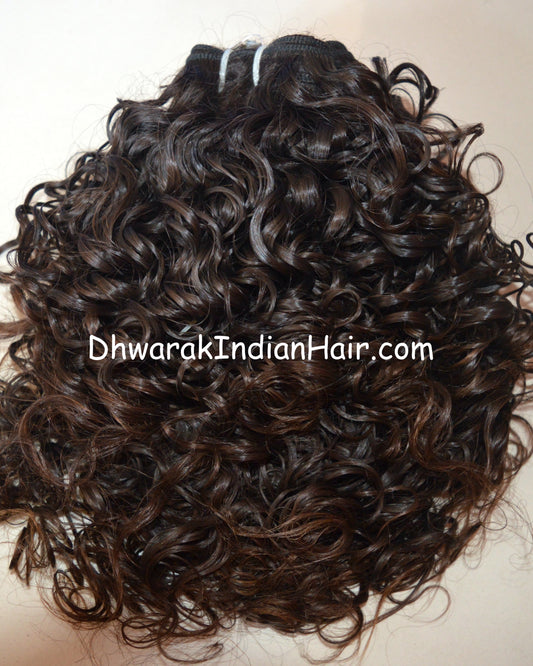
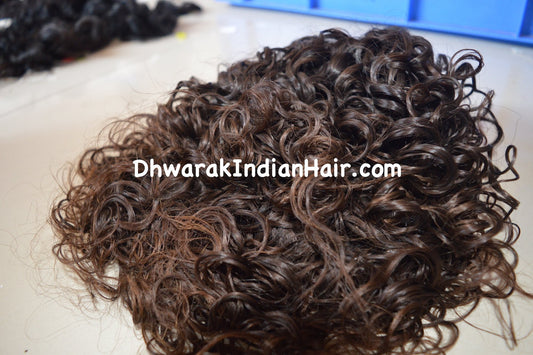
For example, natural Raw Curly hair and Curly Organic hair are not identical products. At Dhwarak, our Curly Organic texture uses water and steam to create a more uniform curl pattern without chemical perming.
You can learn more about these distinctions in our article on Virgin Hair vs Remy Hair and our comparison of Curly Organic vs Raw Curly Hair.

Check whether the supplier manufactures the finished products
There is an important distinction between a business that sells hair and one that actually manufactures it.
A supplier operating its own manufacturing facility has greater direct involvement in the processes that turn sourced hair into finished bundles, closures, frontals and wigs.
Ask whether the supplier owns or operates its manufacturing facility, where the products are manufactured and whether it can show actual manufacturing activities.
At Dhwarak Indian Hair, our manufacturing facility is located in Chennai. Our manufacturing process combines traditional handling methods with contemporary machinery.
You can see how we work in our detailed guide to Raw Indian Hair Manufacturing.
Look beyond photographs and advertised grades
Photographs are useful, but they cannot tell you everything about a hair extension.
Look for actual product videos showing the hair in natural lighting, its movement, texture, density and appearance.
Ask about bundle weight, available lengths, natural colour variations, single-drawn and double-drawn options, texture characteristics and weft construction.
Natural human hair is not a factory-produced synthetic material. Some variation in colour, texture and individual bundle characteristics is normal.
Our article on Natural Variation in Raw Indian Hair explains why these differences occur and what buyers should reasonably expect.

Understand the sample purchasing option
This is particularly important if you are unfamiliar with a supplier.
Before committing to a larger order, find out whether you can purchase a sample or a smaller quantity.
For retail customers, this allows you to become familiar with the actual product before investing in a complete installation.
For salon owners, stylists and new hair businesses, samples provide an opportunity to examine different textures and assess whether the products meet their requirements.
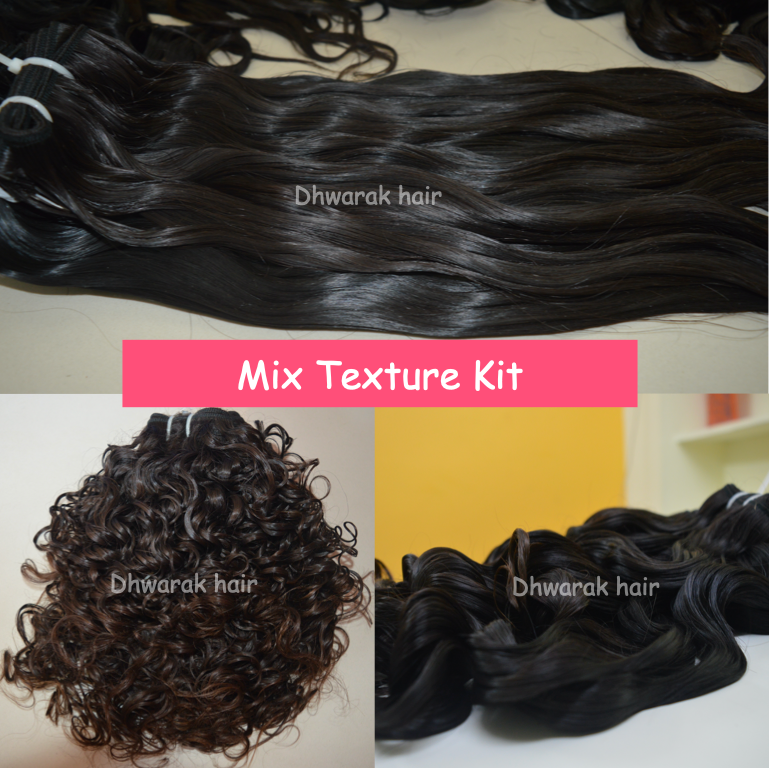
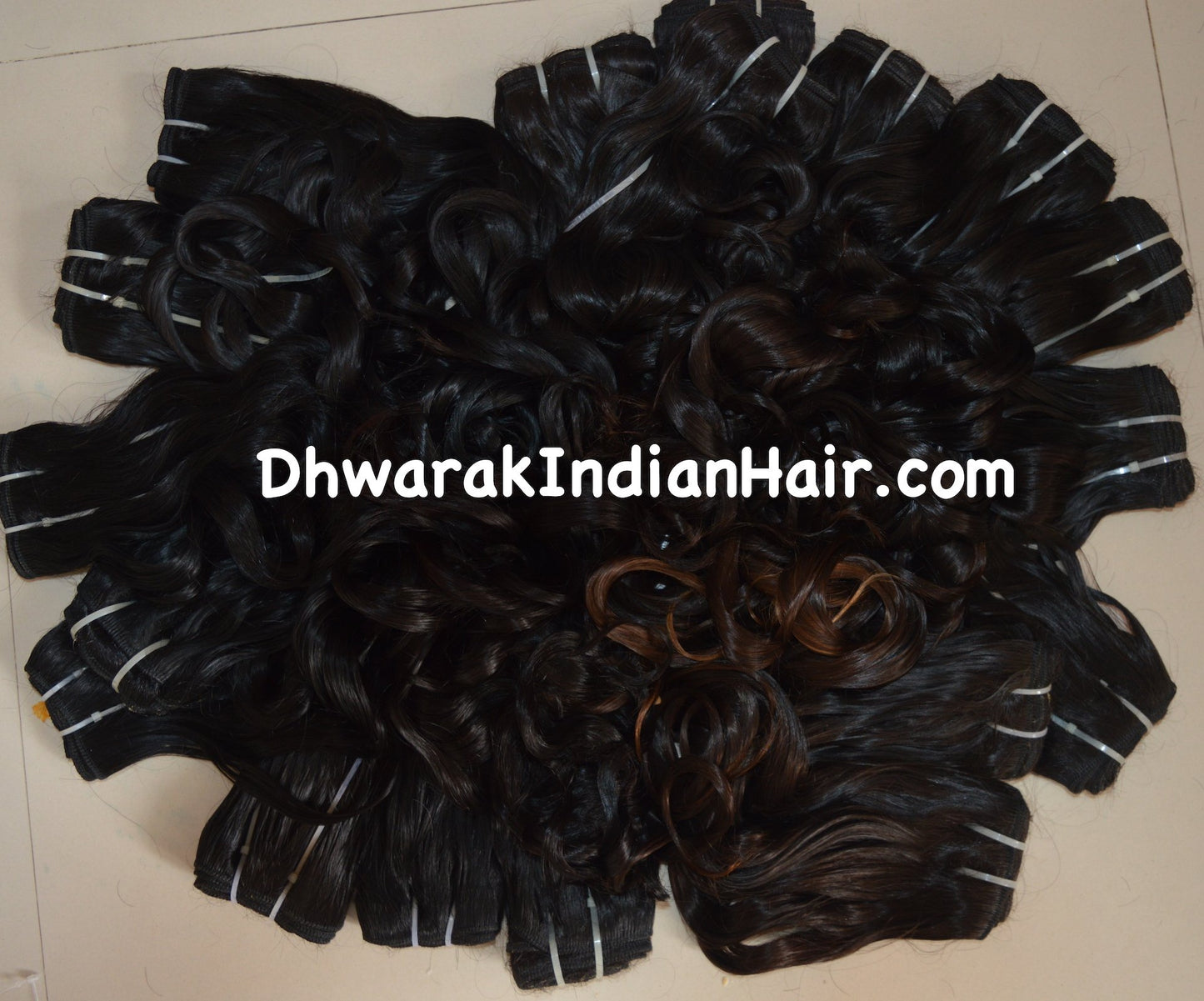
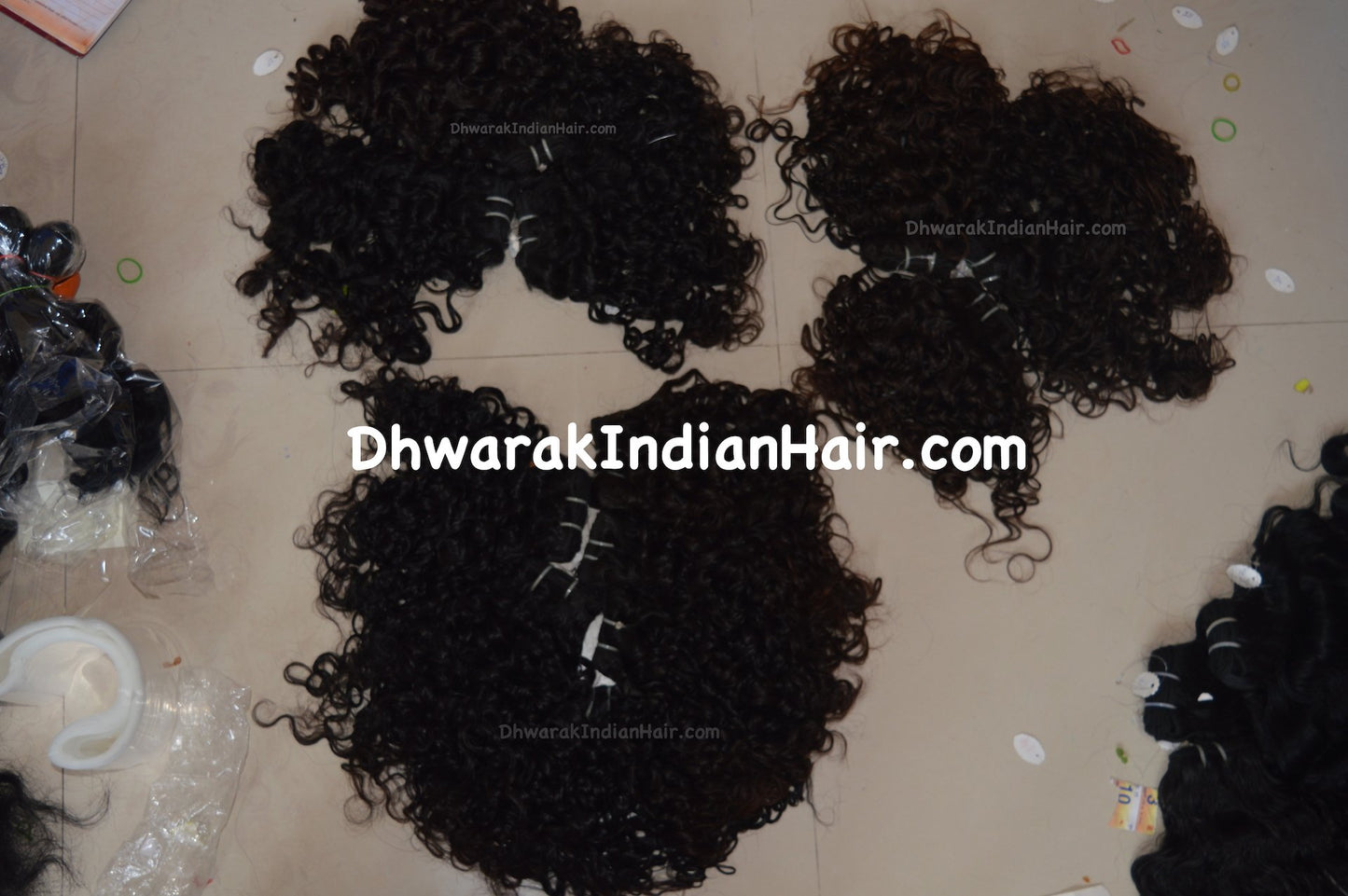
Dhwarak offers a Wholesale Hair Vendors Mix Kit, which allows prospective wholesale buyers to examine selected textures before considering larger orders.
Examine customer support, shipping and return policies
International purchasing requires a little more attention than buying from a local store.
Before placing an order, check where the order will be dispatched from, how long processing takes, which international shipping services are available, whether tracking information is provided and how customs duties and taxes are handled.
Also read the supplier's Refund and Return Policy before ordering.
For additional guidance on evaluating unfamiliar online sellers, reviews, delivery terms and refund policies, the US Federal Trade Commission's Online Shopping Guide is a useful independent reference.
Look for a supplier interested in long-term relationships
A reliable supplier should not disappear once payment has been received.
Whether you are a retail customer or a wholesale buyer, communication matters.
For individual customers, it means receiving help with product specifications, order status and after-sales questions.
For business buyers, it also means being able to discuss repeat orders, available textures, product requirements and supply arrangements.
A supplier who understands the importance of long-term relationships is more valuable than one who focuses only on completing a single transaction.
Why Buying Raw Indian Hair Directly from India Can Make Financial Sense
The final price of hair extensions is influenced by more than the cost of the hair itself.
Consider a simplified supply chain:
Hair sourcing → Manufacturing → Exporter → Importer or distributor → Retailer → Customer
Every business in this chain has operating expenses and needs to account for its own margins.
This does not mean that every intermediary is unnecessary. Importers, distributors and local retailers provide valuable services, including inventory management, local availability and customer support.
However, customers who are comfortable purchasing internationally can sometimes eliminate several distribution layers by ordering directly from the manufacturer.
For example, an American customer purchasing directly from an Indian factory may avoid some of the additional margins associated with multiple distribution stages.
The same principle applies to wholesale businesses.
A salon owner or hair vendor who establishes a direct manufacturing relationship may have better control over purchasing costs and product specifications.
There are still other costs to consider, including international shipping, customs charges where applicable, currency conversion and local taxes.
Therefore, compare the complete delivered cost rather than looking only at the advertised product price.
Read more about buying raw Indian hair directly from the manufacturer.

Why the Manufacturer's Location Matters
When buying directly from India, it is worth understanding the difference between a business that sources hair in India and one that actually manufactures the finished extensions there.
Some businesses operate primarily as trading or export companies. They purchase finished products from other manufacturers and distribute them internationally.
Others maintain their own manufacturing facilities and handle the conversion of sourced hair into finished products.
Knowing this distinction helps buyers understand who is responsible for the finished product.
At Dhwarak Indian Hair, our manufacturing facility is located in Chennai, Tamil Nadu.
Hair sourced from South Indian temples is brought to our factory, where it is processed, sorted and converted into finished products.
Our 3,200-square-foot facility combines traditional manufacturing practices with contemporary machinery.
Our product range includes Raw Indian straight, wavy and curly bundles, Curly Organic and other specialised textures, HD lace closures, HD lace frontals, lace wigs, clip-in hair extensions and bulk hair for wig making.
Explore our Raw Indian Hair Manufacturing Process to see how our products are made.
Buying for Personal Use or Buying for a Hair Business?
The right supplier should be able to accommodate different purchasing requirements. However, the questions you should ask will depend on what you intend to do with the hair.
If you are buying hair for yourself
You do not need to be a professional stylist or a hair business owner to purchase directly from an Indian manufacturer.
Before ordering, consider the texture you want, the correct length, whether you need bundles or a complete wig, the weight per bundle and the total delivered price.
If you are unsure which texture to choose, explore our Raw Indian Hair and Natural Textures Guide.
You can browse our Raw Indian Hair Bundles Collection, compare available Bundle Deals, or explore our HD Lace Closures and Frontals.

If you own a salon, are a stylist or want to start a hair business
Your requirements are slightly different.
You are not just purchasing hair for one installation. You are evaluating whether a supplier can become a dependable source for your business.
Consider product consistency, the range of available textures, sample evaluation, wholesale pricing and the supplier's ability to support repeat orders.
Dhwarak provides a dedicated Wholesale Hair Vendors section for salons, distributors, hair vendors and businesses looking to source directly from our factory.
You can also explore our Structured for Professionals guide, which explains our product range and manufacturing approach for professional buyers.
How to Evaluate a Hair Sample Before Placing a Larger Order
Whether you are purchasing for personal use or evaluating a new supplier for your business, examining a sample is a sensible step.
Observe the hair in natural light. Examine its texture, colour, movement and overall appearance.
For bundles, examine the stitching, track construction and how securely the hair is attached.
Wash and condition the sample according to suitable human hair care practices. Observe how it behaves after drying.
Check how the hair responds to styling and normal handling. Natural textures and intentionally processed textures may respond differently, so understand the particular product you are testing.
No single test can establish long-term quality. A sample gives you a practical opportunity to examine the product, while repeated use and consistent supplier performance provide a broader understanding.
For additional guidance, see our Raw Hair Texture After Wash and Style guide.

Understanding the Difference Between Raw Hair and Other Hair Extensions
One of the most common sources of confusion in the hair market is the terminology used to describe human hair.
| Description | What it generally means |
|---|---|
| Raw hair | Hair retaining its natural characteristics without chemical texture alteration |
| Virgin hair | Generally refers to hair that has not undergone chemical processing, although industry usage can vary |
| Remy hair | Hair collected or arranged with cuticles aligned in the same direction |
| Processed hair | Hair that has undergone treatments such as colouring, chemical texture alteration or other processing |
| Steam-processed hair | Hair whose texture has been modified using steam rather than conventional chemical perming |
These terms are not always used consistently across the industry.
In particular, Remy describes cuticle alignment and does not, by itself, establish that the hair is raw.
Similarly, steam processing does not automatically make a product inferior. What matters is understanding how the texture was achieved and whether the process suits your requirements.
Why Good-Quality Hair Costs More
It is understandable that customers compare prices when shopping for human hair extensions.
However, the cost of producing good-quality hair involves several stages.
These include sourcing, sorting, cleaning, preserving natural characteristics, manufacturing, weft construction, lace workmanship, quality inspections, packaging and international fulfilment.
Different products also require different amounts of labour and manufacturing time.
For example, a hand-knotted full lace wig involves considerably more manual work than a standard machine-wefted bundle.
The final price should therefore be considered in relation to the product's construction, material, manufacturing process and expected performance.
A very inexpensive product may suit a customer looking for a temporary or budget option. Someone looking for extensions to reuse over a longer period may have different priorities.
Equally, a high price does not automatically prove superior quality.
The best purchasing decision comes from understanding what you are paying for.
Our article Why Real Raw Indian Hair Is Different – And Why Cheap Hair Fails After One Wash explores some of the differences buyers should understand.
Why Consider Dhwarak Indian Hair?
At Dhwarak, we believe customers should have access to the same manufacturing information whether they are purchasing one bundle or establishing a wholesale relationship.
We operate our own hair manufacturing facility in Chennai, India, and work with hair sourced from temples across South India.
Our approach combines traditional handling methods with contemporary manufacturing equipment and quality inspections.
We manufacture a range of products for individual customers, stylists, salons, hair vendors and distributors.
Our customers can explore individual retail products, bundle combinations, lace products and wigs through our online store. Business buyers can also explore sample purchasing and wholesale supply options.
Our aim is straightforward: to manufacture Indian hair extensions and make them accessible to customers who want to buy closer to the source.
Ready to Explore Raw Indian Hair Directly from the Manufacturer?
You do not need to operate a hair business to purchase directly from an Indian hair factory.
If you are looking for bundles for your next installation, matching closures and frontals, or a ready-made wig, you can explore our retail collection.
For personal purchases:
Explore our Raw Indian Hair Bundles
For wholesale and business purchases:
Visit our Wholesale Hair Vendors section to learn about sample purchasing and factory-direct supply.
You can also explore our Wholesale Hair Vendors Mix Kit before considering a larger business order.
Whether you need a few bundles or a regular supply for your business, we welcome you to explore what direct manufacturing from India can offer.
Dhwarak Indian Hair – Manufactured in Chennai, India. Shipped Worldwide.

Frequently Asked Questions
Can I buy raw Indian hair directly from India for personal use?
Yes. You do not need to be a hair vendor or salon owner. Dhwarak sells individual hair bundles, bundle deals, closures, frontals and wigs through its online store.
Is buying directly from an Indian hair manufacturer cheaper?
It can offer better value by reducing some distribution and retail markups. However, the final cost depends on the product, shipping, applicable taxes and other charges.
How do I know whether a raw Indian hair vendor is genuine?
Look for clear sourcing information, manufacturing details, actual product videos, transparent specifications, sample purchasing options and accessible customer support.
What is the difference between raw Indian hair and virgin Indian hair?
The terminology is often used inconsistently. Raw hair generally refers to hair retaining its natural characteristics without chemical texture alteration. Virgin hair generally refers to hair that has not undergone chemical processing. Ask the supplier about the actual processing history rather than relying solely on the label.
Can I purchase just one bundle from Dhwarak?
Yes. Individual bundles are available through our online store, subject to product availability.
Do I need to place a wholesale order to buy from Dhwarak?
No. Retail customers can purchase through the online store without establishing a wholesale account.
Can new hair businesses purchase samples before ordering wholesale?
Yes. Dhwarak offers a Wholesale Hair Vendors Mix Kit to help prospective business customers evaluate selected textures before considering bulk purchasing.
Where is Dhwarak Indian Hair manufactured?
Our own manufacturing facility is located in Chennai, Tamil Nadu, India. We source hair from temples across South India and manufacture our hair extensions at our facility.
Does Dhwarak ship to the United States and Europe?
Yes. We ship directly from India to customers in the United States, Europe and other international destinations. Shipping arrangements and applicable charges are available through our website.
How can I contact Dhwarak about a retail or wholesale order?
You can contact our team at sales@dhwarakindianhair.com or explore the relevant retail and wholesale sections of our website.
Dhwarak Indian Hair
Kit de mélange pour vendeurs de cheveux en gros
Partager
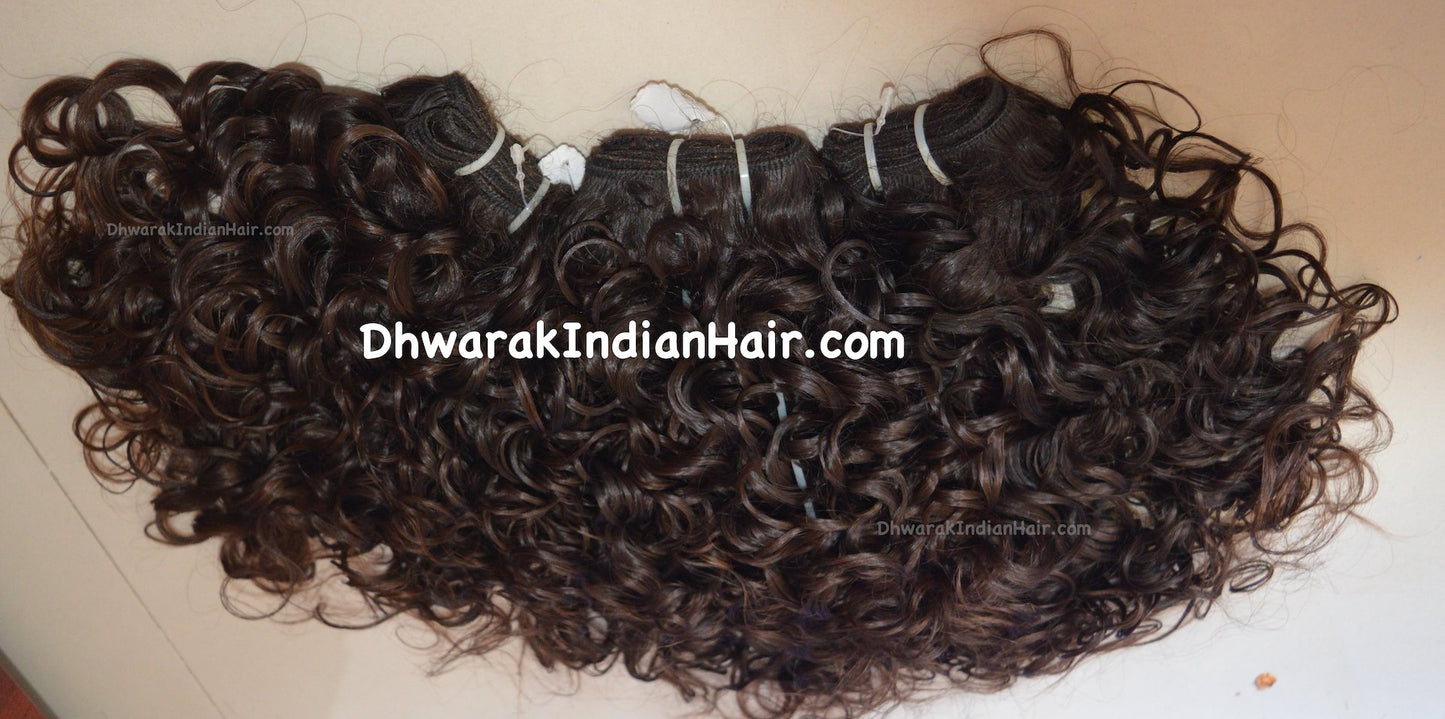
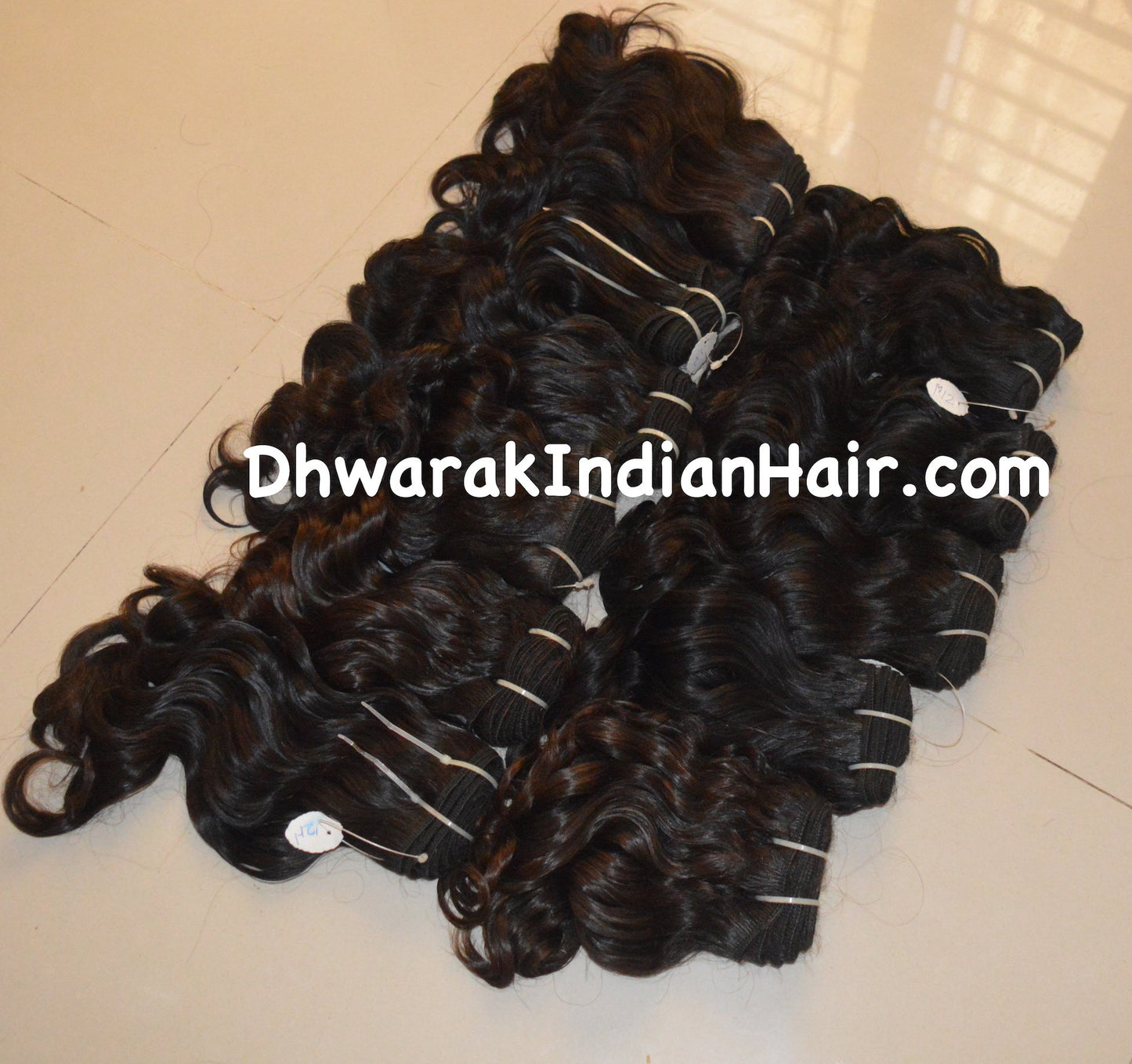
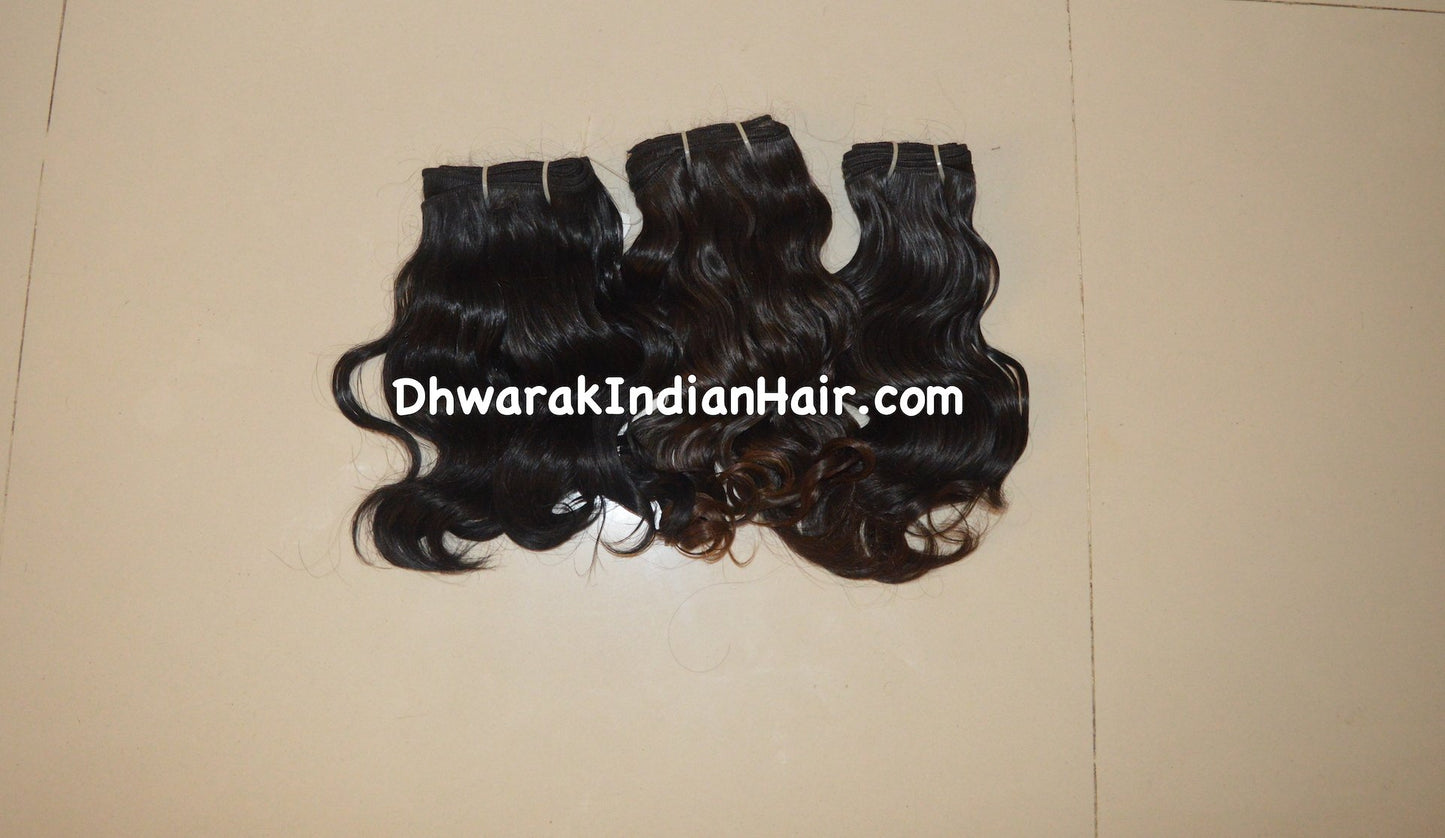
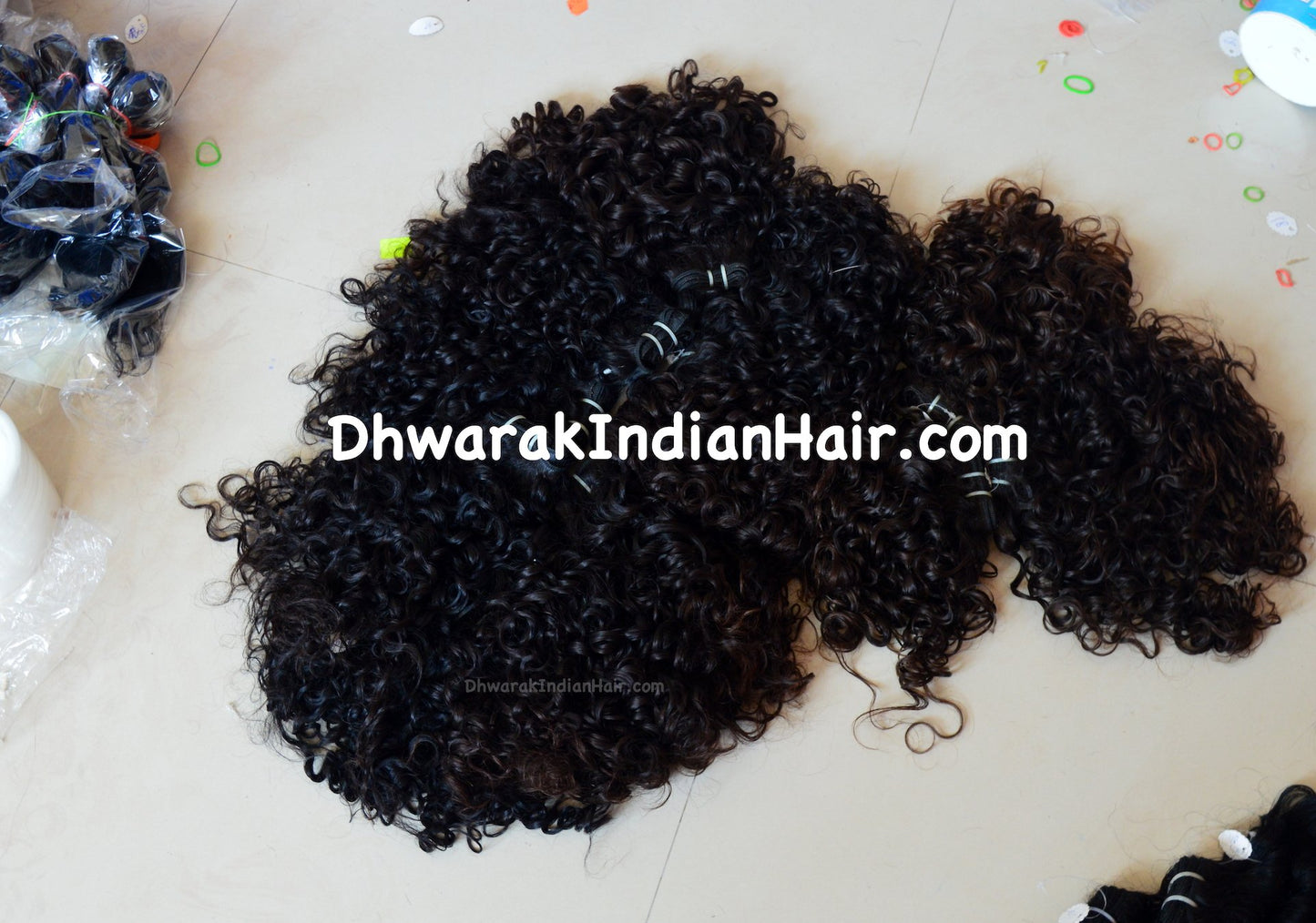
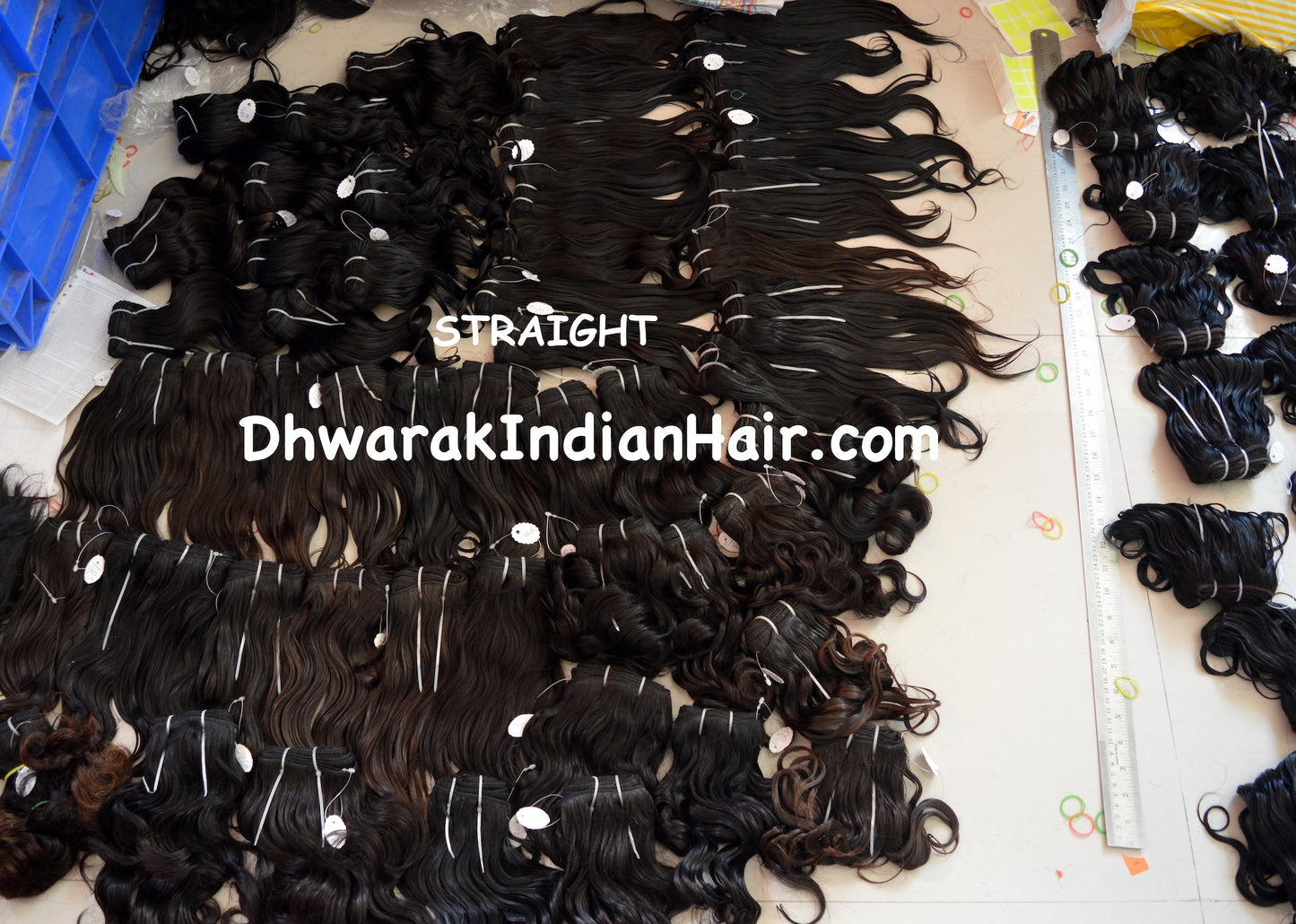
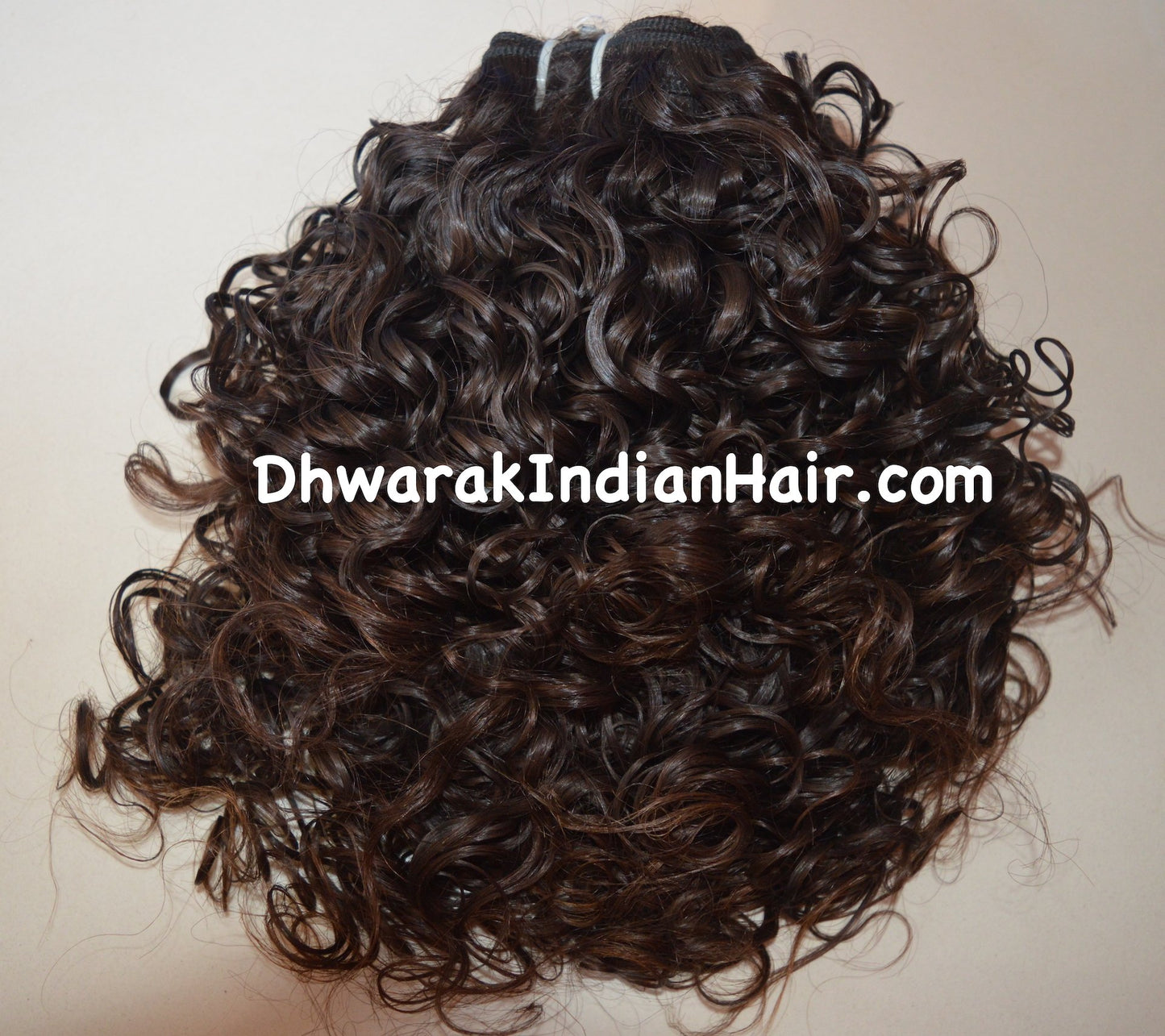
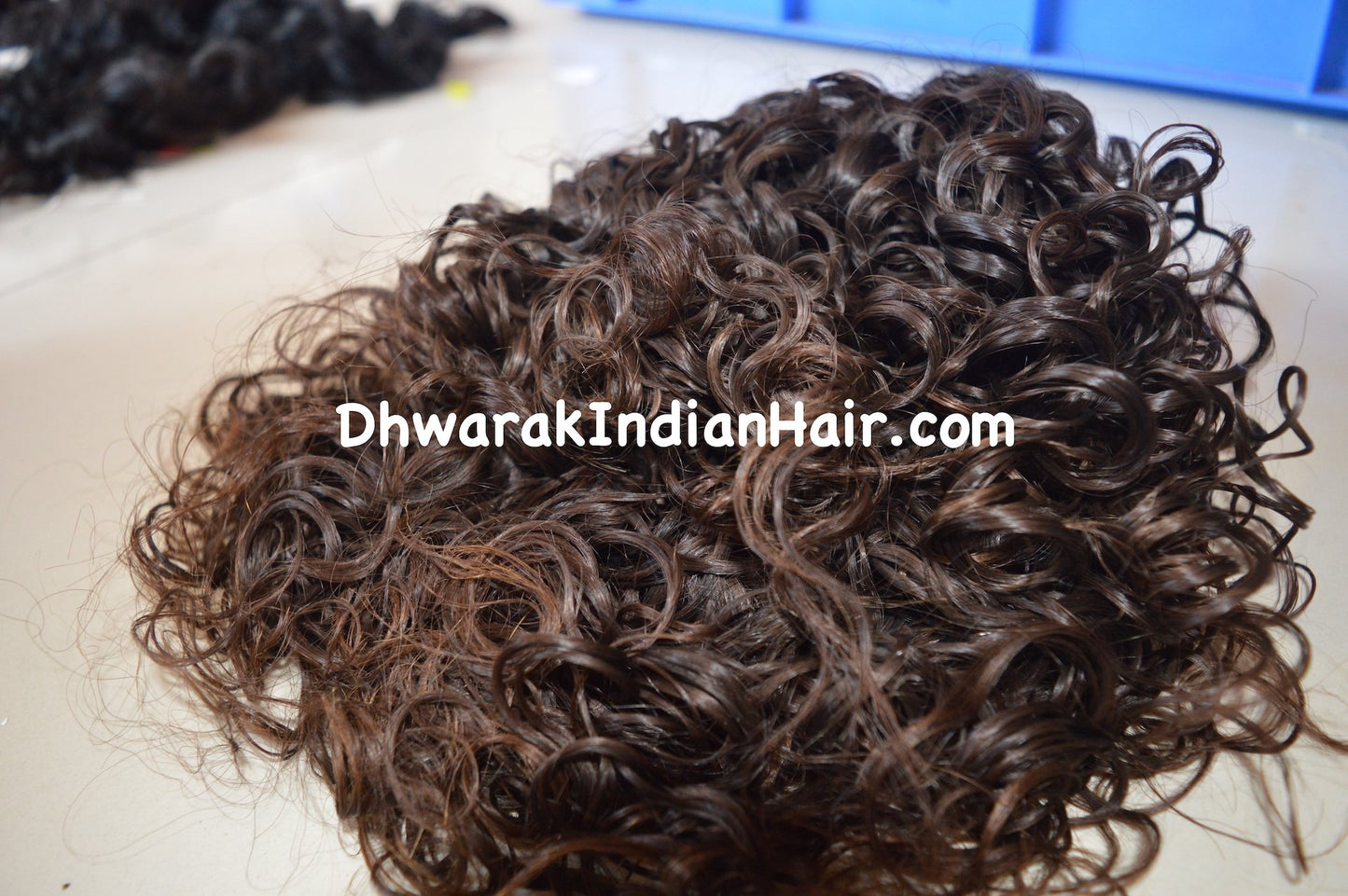
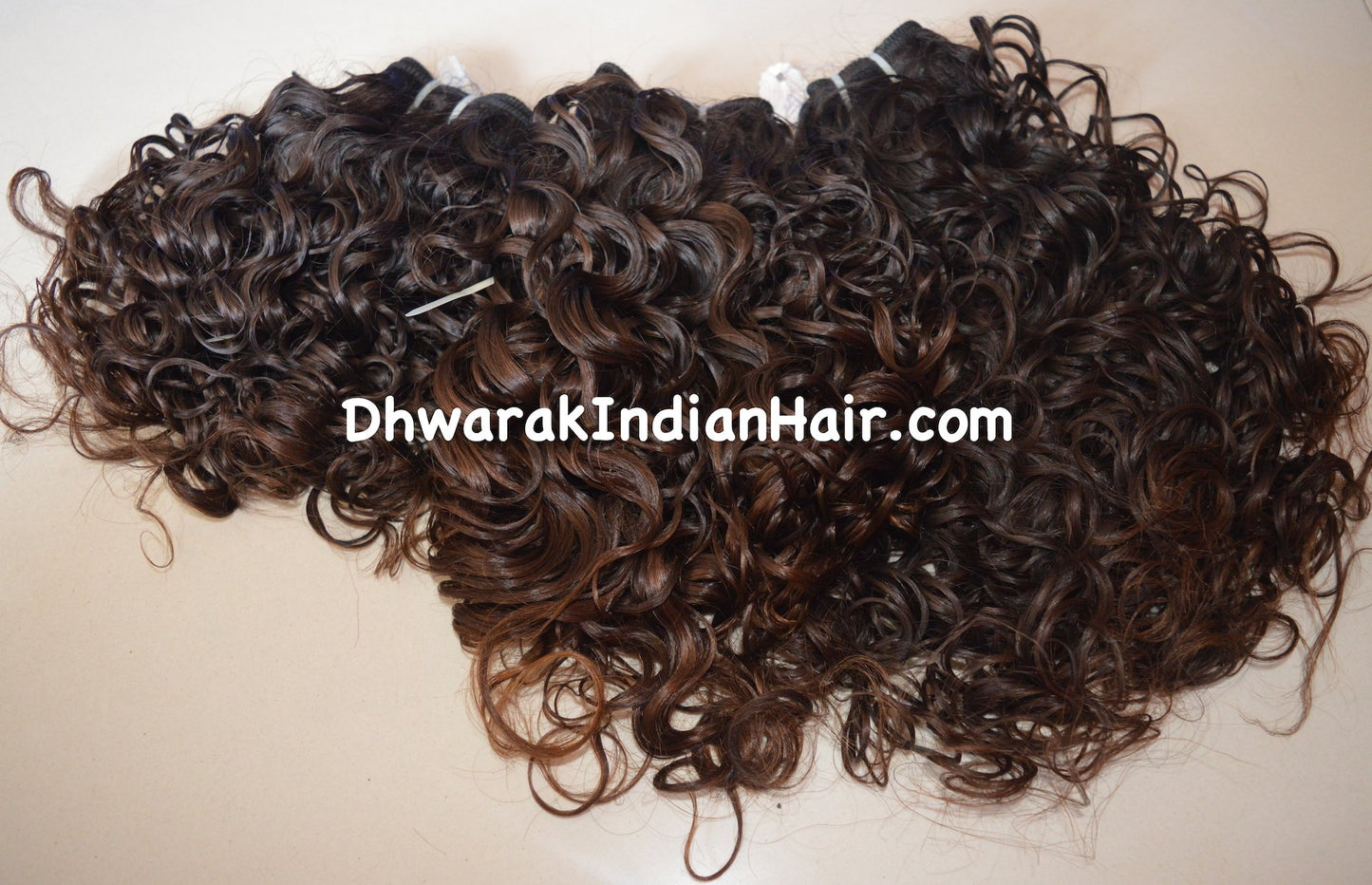
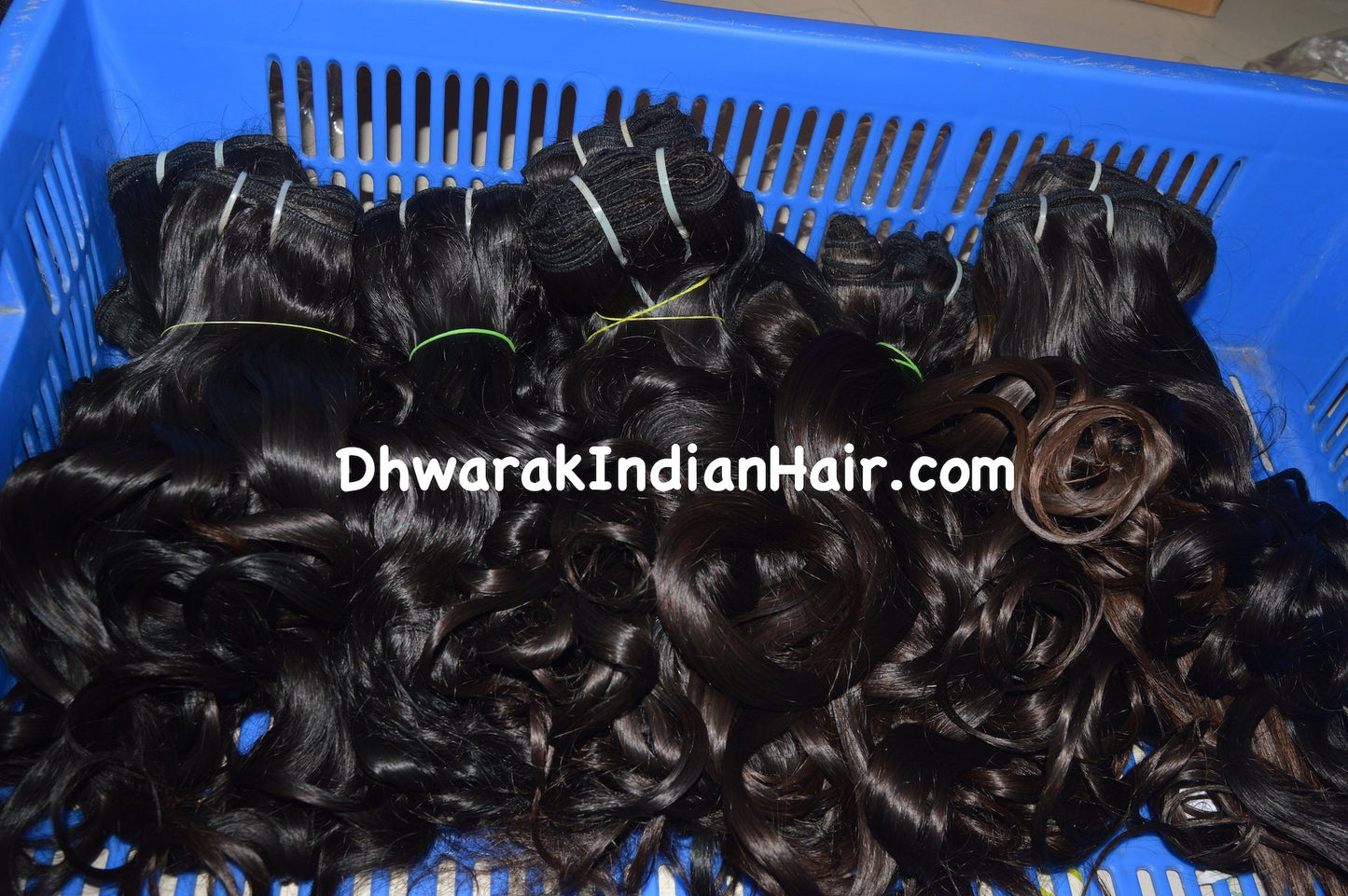
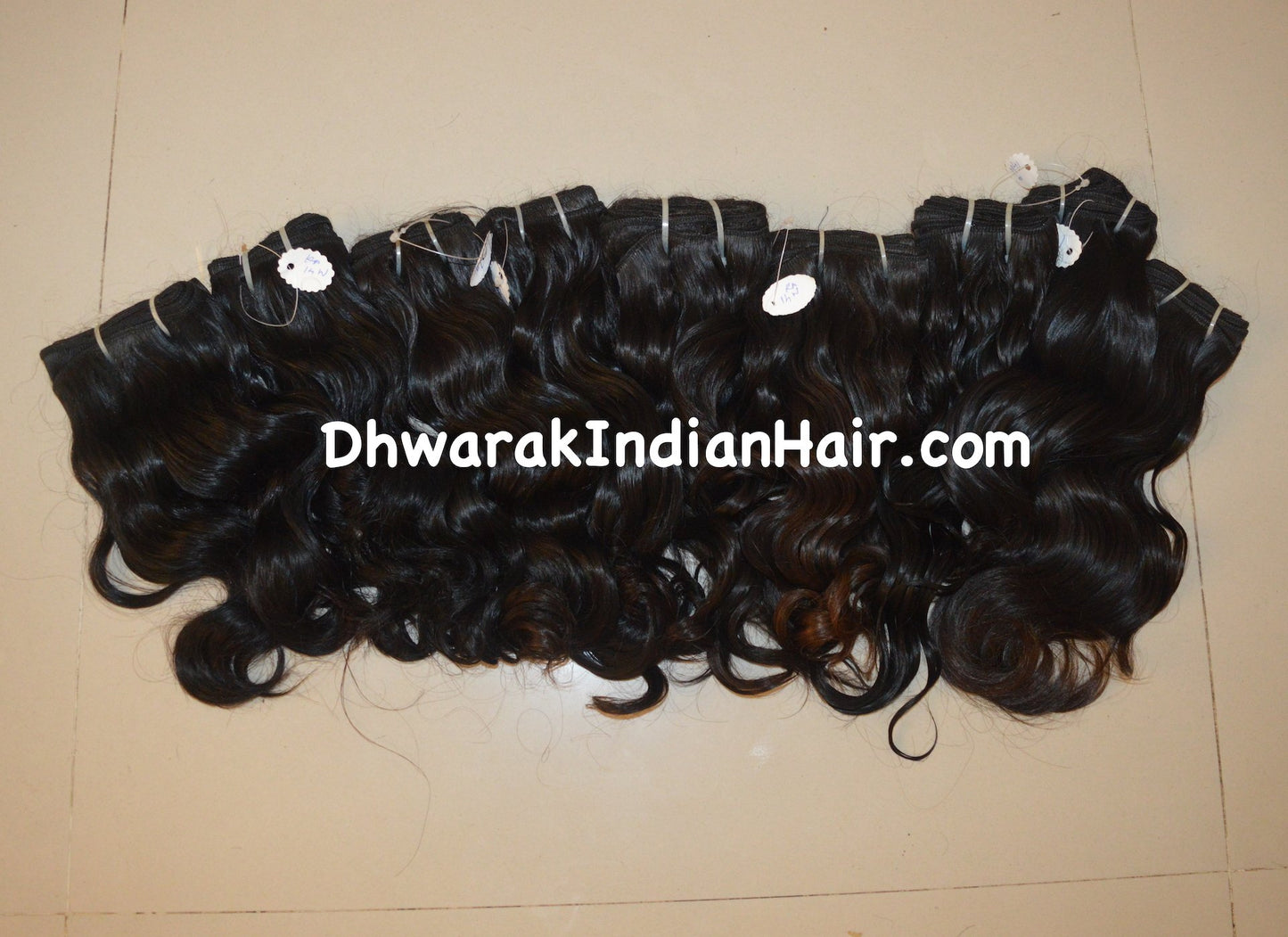
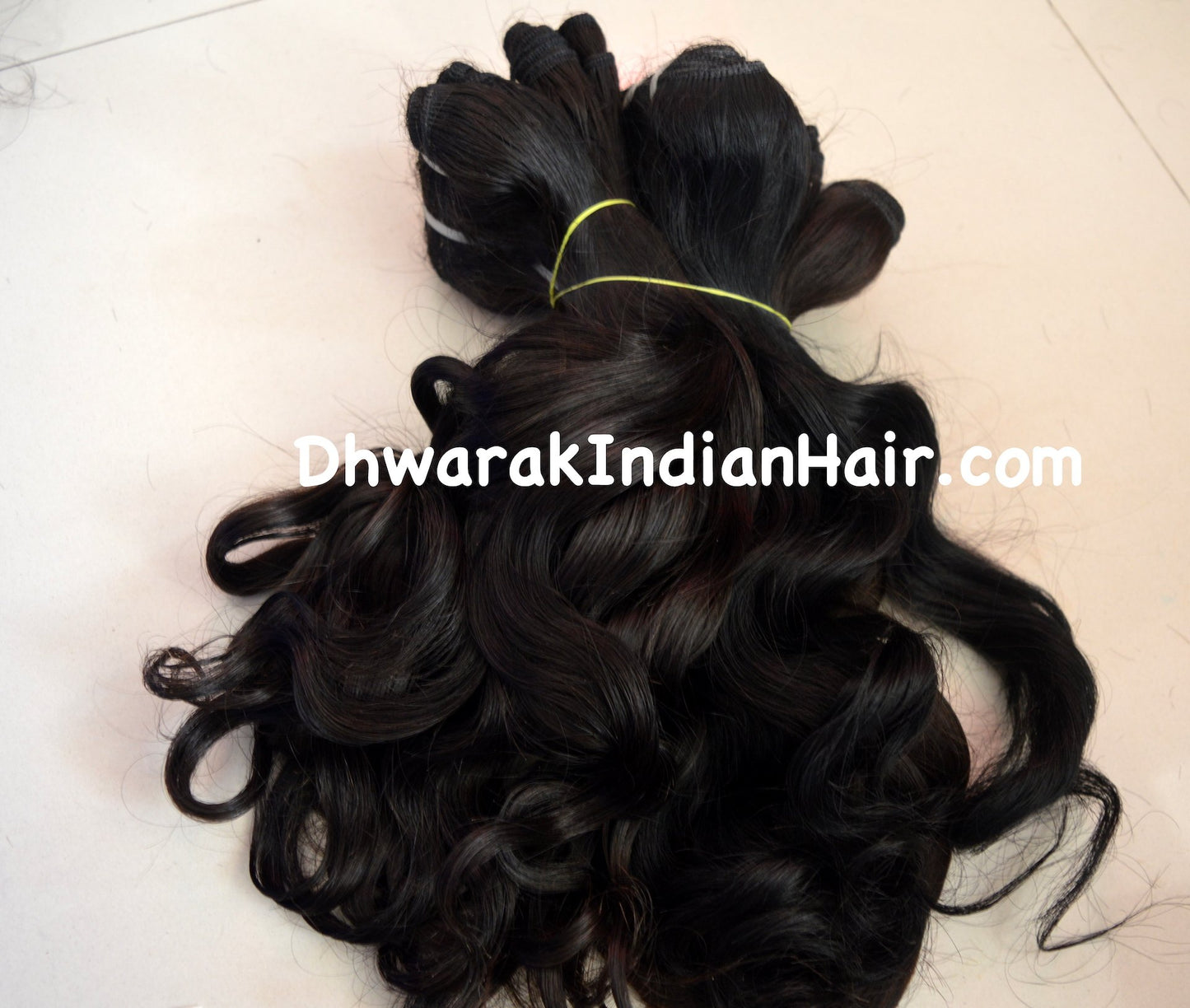
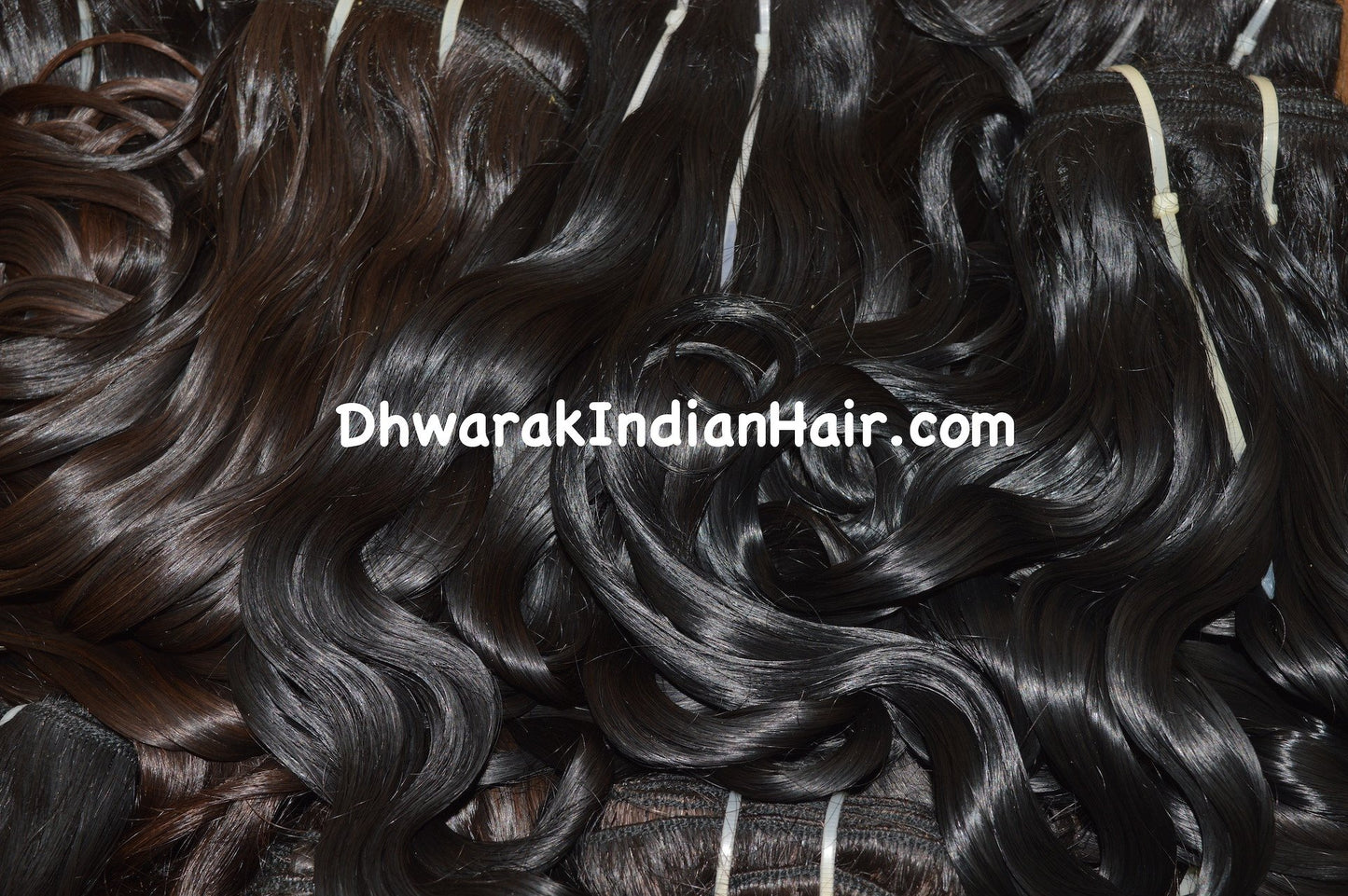
Lots de cheveux indiens – Achetez en ligne
-
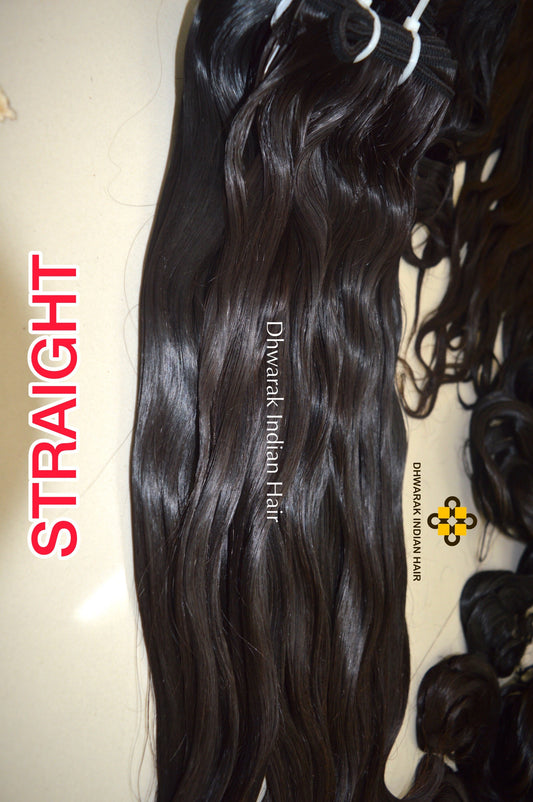
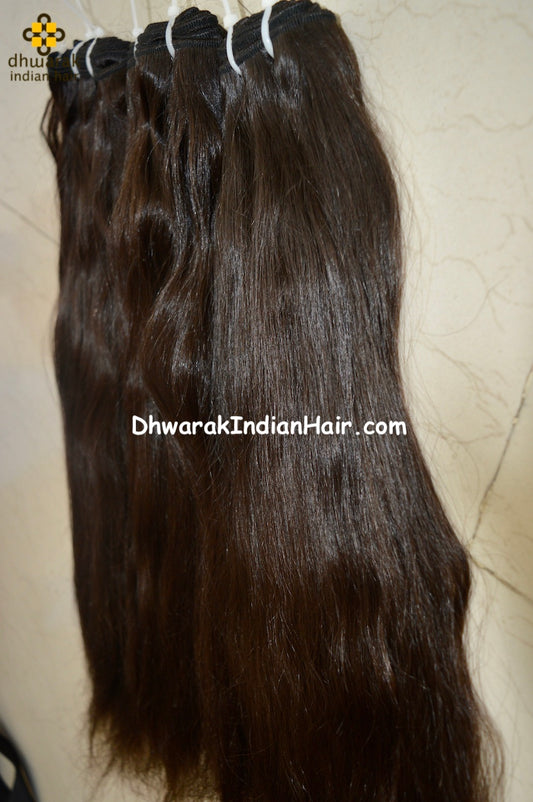
Paquet de cheveux indiens droits et bruts
Prix habituel À partir de $69.99 USDPrix habituelPrix unitaire par$96.00 USDPrix promotionnel À partir de $69.99 USDPromotion -
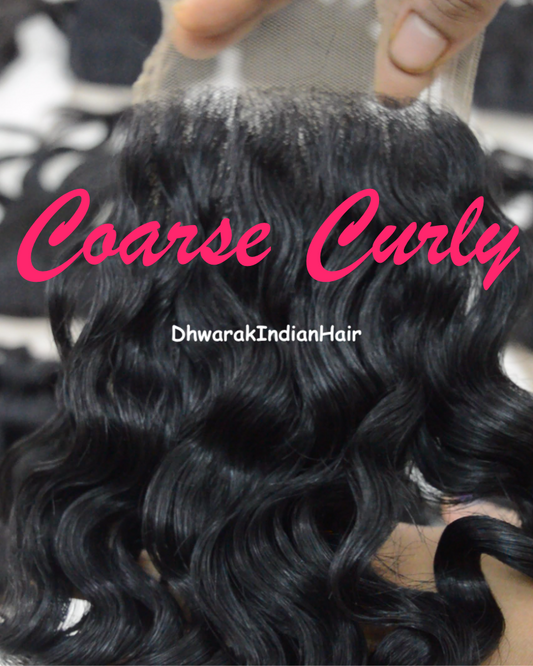
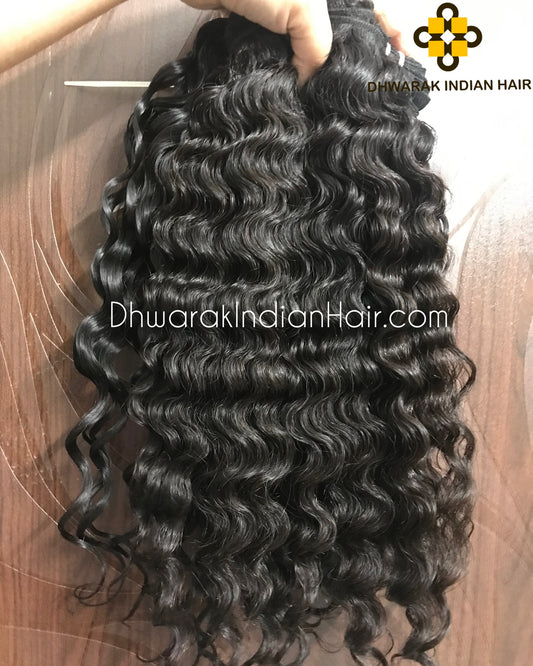
Paquet de cheveux bouclés indiens bruts
Prix habituel À partir de $99.99 USDPrix habituelPrix unitaire par -
 Promotion
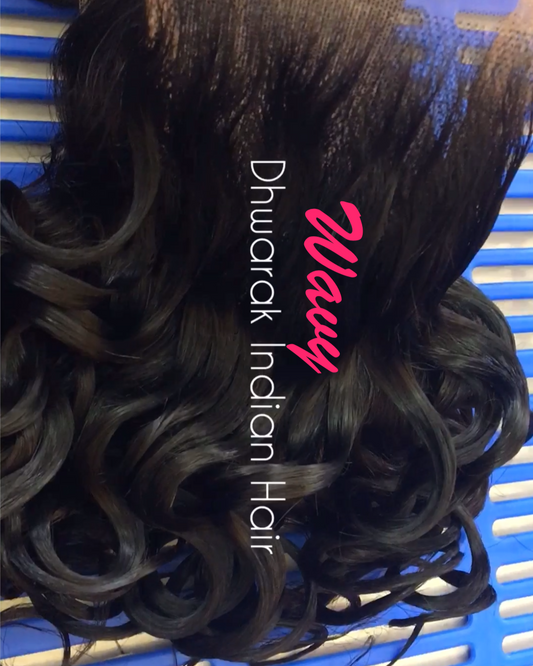
Paquet ondulé indien brut
Prix habituel À partir de $69.99 USDPrix habituelPrix unitaire par$96.00 USDPrix promotionnel À partir de $69.99 USDPromotion -
 Promotion
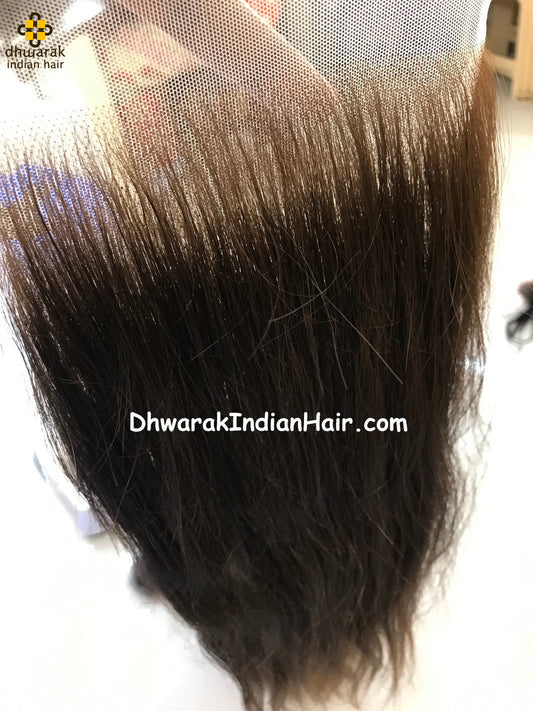
Fermeture en dentelle HD 4x4
Prix habituel À partir de $84.00 USDPrix habituelPrix unitaire par$93.00 USDPrix promotionnel À partir de $84.00 USDPromotion -
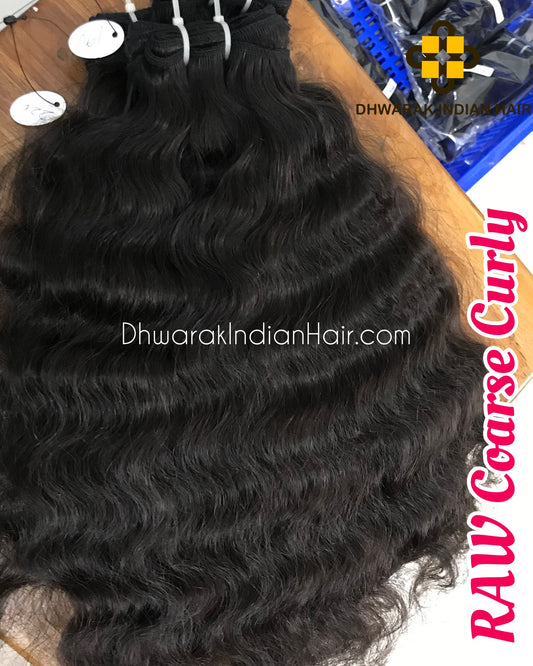
Paquet de cheveux bouclés indiens biologiques crus
Prix habituel À partir de $99.99 USDPrix habituelPrix unitaire par -
 Promotion
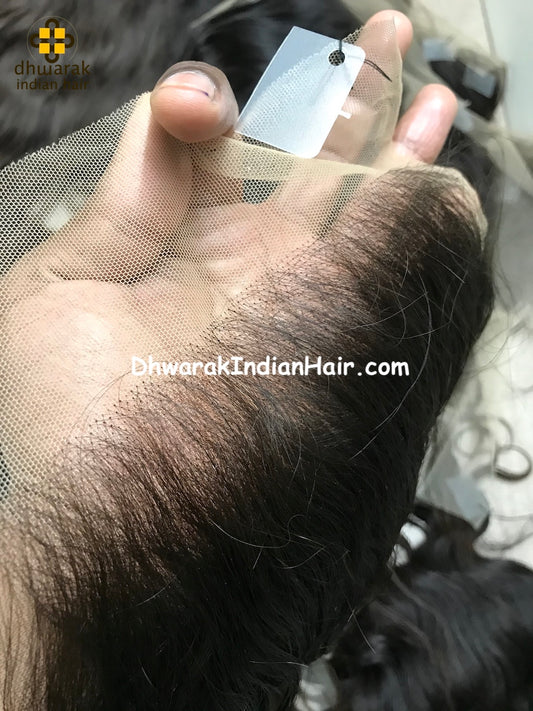
Fermetures en dentelle HD 6x6
Prix habituel À partir de $138.00 USDPrix habituelPrix unitaire par$141.00 USDPrix promotionnel À partir de $138.00 USDPromotion
Vendeur de cheveux en gros
-
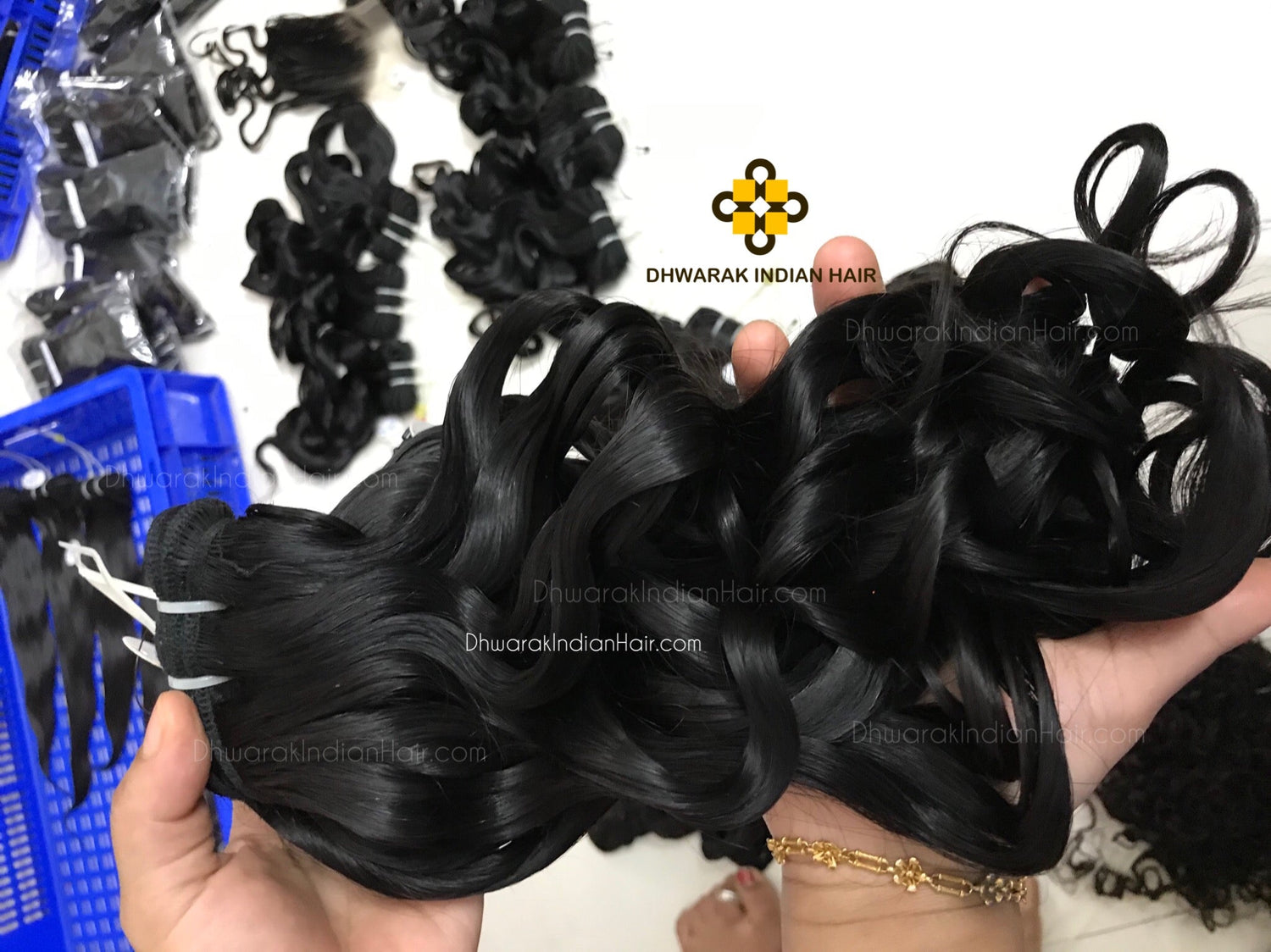
Paquets de cheveux indiens bruts
Lots de cheveux indiens bruts d'origine éthique Nous sommes l'un des plus...
-
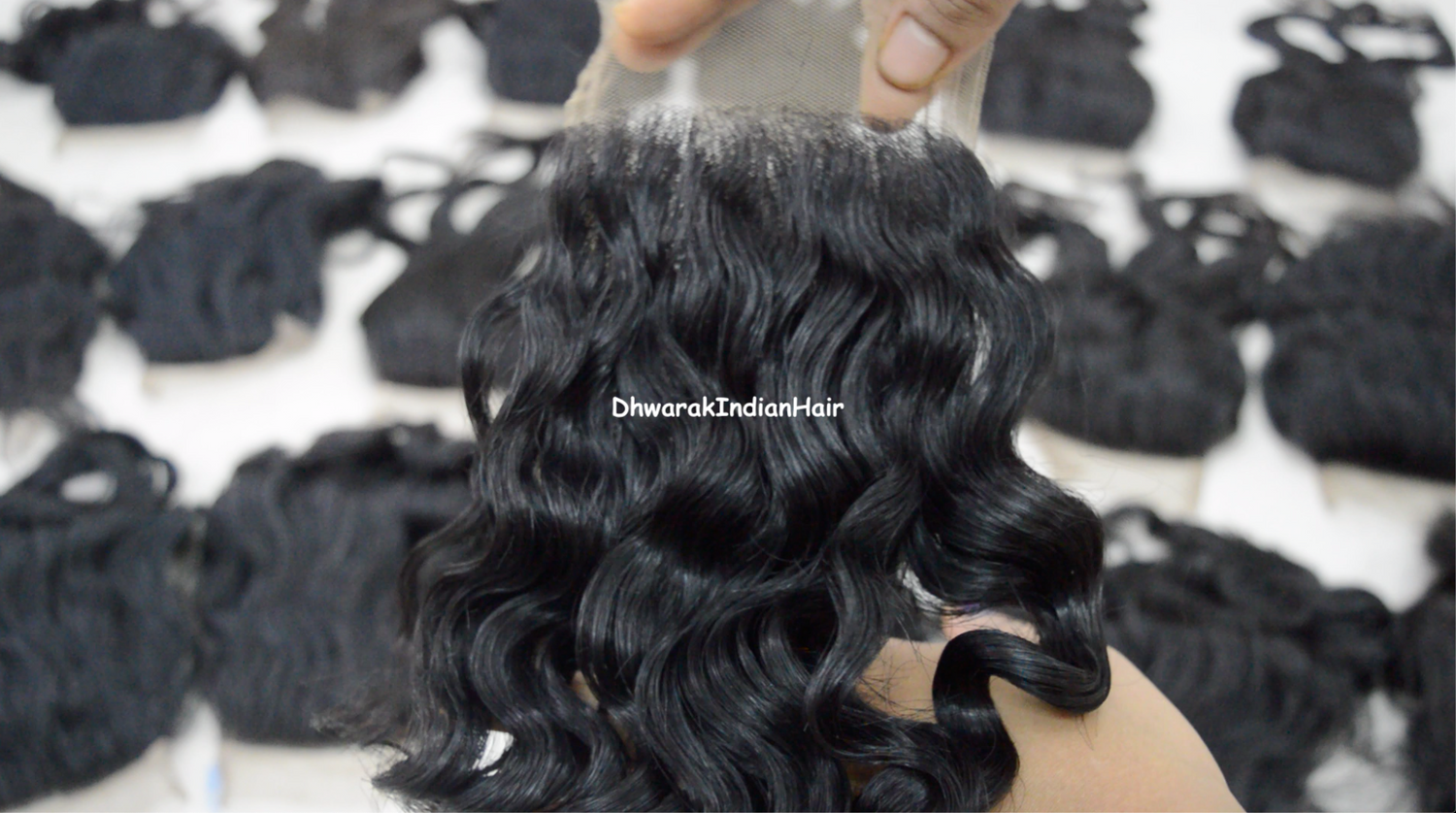
Fermeture à lacets
Meilleure fermeture en dentelle transparente HAUTE DÉFINITION 6x6 vs 4x4 Les fermetures...
-
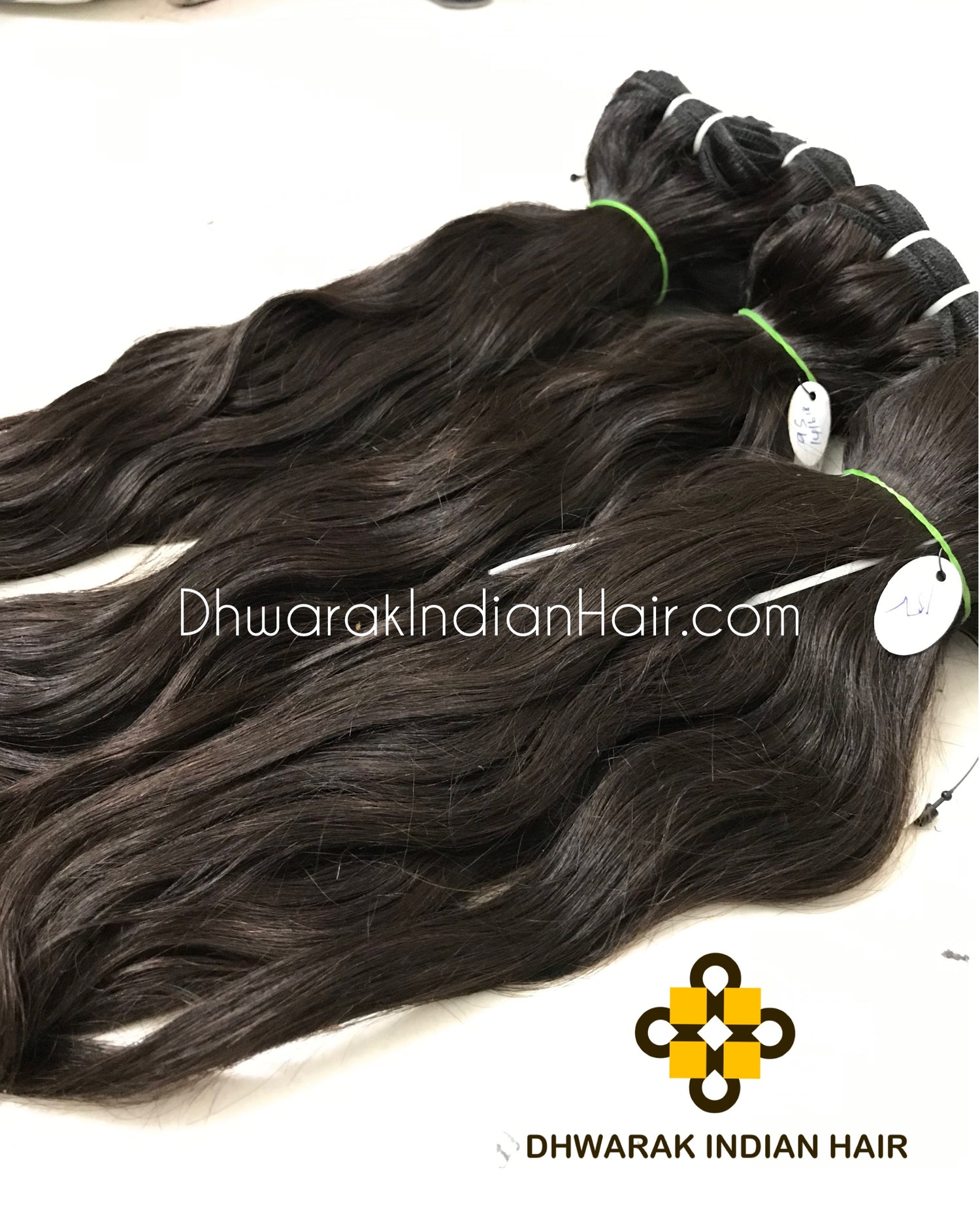
Offres groupées de cheveux indiens bruts
Offres de lots de cheveux - Usine de vente en gros de...
